
Morocco Onion Crisis: From Exporter to Importer in Months
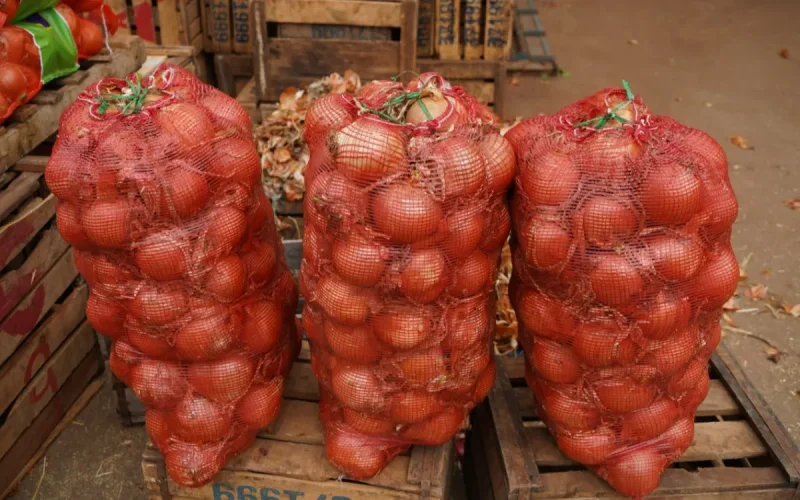
Morocco, usually a supplier of onions to West Africa, had to import massively this season. Poor harvests, low stocks, and rising prices have reversed trade flows in favor of the Netherlands, Spain, and France.
The reversal is spectacular. Morocco, long accustomed to selling its onions to West African markets, found itself importing them massively from Europe this season. Between July 2025 and April 2026, the country imported 21,600 tonnes of fresh onions, valued at 9.4 million dollars.
On Bladi.net : Morocco Orange Exports Boom in Germany Market
The level is exceptional. According to EastFruit, these imports are eight times higher than those of the previous season, which were already elevated. They also exceed by 2.5 times the previous record, set during the 2015-2016 campaign.
The shift accelerated especially in spring. In January, imports remained limited, around 500 tonnes. In April, they exceeded 14,500 tonnes in a single month, a sign of a domestic market under strong pressure.
The Netherlands largely benefited from this Moroccan demand. They supplied more than 60% of imported volumes. Spain represented approximately one-third of deliveries, ahead of France, close to 5%. Smaller quantities also came from Belgium and Egypt.
The shortage reversed the routes
The contrast is all the more striking as Morocco remains traditionally an important player in onions in the region. The country usually exports to West Africa, where its products find regular outlets.
This season, this pattern collapsed. Between January and April, Moroccan onion exports reached only 2,700 tonnes. Over the same period, imports were 7.7 times higher. Morocco thus became a net importer, in proportions rarely seen.
The crisis is explained by several factors. Climate conditions disrupted harvests in production areas such as Tamehdit, Fès, and Meknès. Yields declined, while the quality of available onions deteriorated.
At the same time, some high-quality onions continued to go to West Africa. These exports reduced faster the stocks available on the Moroccan market, already weakened by insufficient production.
The lack of storage infrastructure aggravated the situation. Due to insufficient cold storage and preservation capacity, Morocco could not build solid reserves for the second part of the season. Result: when local supply tightened, prices climbed.
Imports then became a way to calm the market. European suppliers offered regular volumes, competitive prices, and reliable logistics. Dutch and Spanish onions thus took an unusual place in Moroccan supply.
On Bladi.net : Morocco Olive Oil Imports Collapse 90% in 2026
This reversal shows the fragility of a sector exposed to climate, prices, and storage limitations. A country capable of exporting massively can, in a few months, find itself dependent on external purchases to avoid sustained market tension.
Related Articles
-

8.2 million dirhams for new vehicles tasked with monitoring Moroccan airport runways
18 September 2026
-

2030 World Cup: Fitch warns Morocco that cost overruns could increase its debt
18 September 2026
-

Six stations for 480 million dirhams: the LGV project transforms the Kénitra–Casablanca corridor
17 September 2026
-

“ We do not agree 100% with Israel”: Bourita explains why Morocco maintains its relations
17 September 2026
-

This Rabat neighborhood becomes the second coolest in the world, ahead of Los Angeles and Tokyo
17 September 2026