Morocco Olive Oil Imports Collapse 90% in 2026
Moroccan olive oil imports have declined sharply over the first four months of 2026. According to the latest figures from the Office of Exchange, purchases of crude or refined olive oil from abroad have plummeted by more than 90% compared to the same period last year.
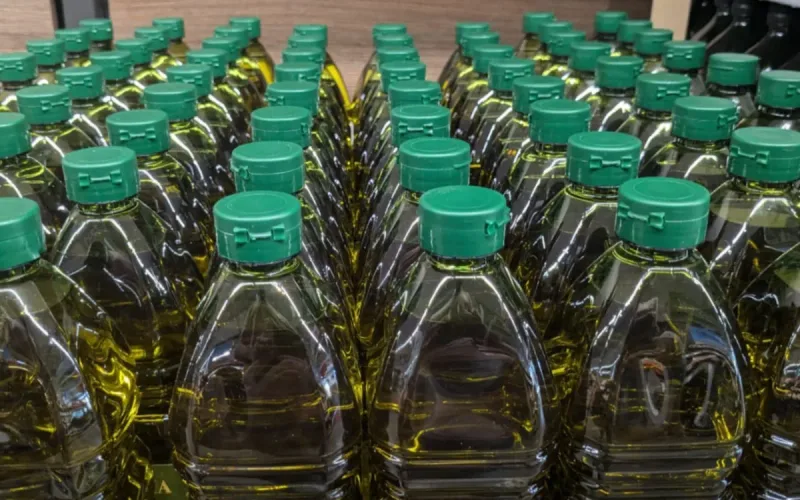
Between January and April 2026, Morocco imported 41 million dirhams worth of crude or refined olive oil, compared to 437 million dirhams by the end of April 2025. The decline thus reaches 396 million dirhams, representing a 90.6% drop year-on-year.
On Bladi.net : Olive oil: how Morocco is signing a spectacular rebound this year
This decline is one of the most marked in the table of imports by main products published by the Office of Exchange. It comes as imports of raw products, overall, have instead increased sharply, rising from 12.924 billion to 19.232 billion dirhams, an increase of 48.8%.
According to the latest projections from the International Olive Council, Morocco should produce 160,000 tonnes of olive oil during the 2025-2026 season, compared to only 90,000 tonnes in the previous year. This 78% increase allows the Kingdom to regain a stronger position in the Mediterranean basin, after a cycle of water stress that has been particularly challenging for farmers.
This rebound contrasts with the situation in several countries in the region. While Morocco is boosting its production, other producers such as Algeria, Jordan and Turkey are recording more or less significant declines. Among non-European producers, Tunisia nevertheless maintains a wide lead, with production estimated at 450,000 tonnes.
On Bladi.net : Morocco’s Olive Oil Exports Surge as Domestic Prices Soar
The sharp decline in imports therefore does not mean that all difficulties are behind the sector. It mainly reflects a catch-up phase after several years of climate pressure. The return to production above the multi-year average, estimated at 131,000 tonnes, provides a breath of fresh air for Moroccan producers.