Morocco in "Luxury" mode: The radical strategy to explode the average tourist basket
After a historic year in 2025, Morocco aims to welcome 22 million tourists in 2026. This strategy is based on the expansion of air connectivity and an upgrading of the offer to reach 150 billion dirhams in revenue.
The tourism sector is starting the year on a path of structural growth. Buoyed by the performance of 2025, which saw 19.8 million arrivals and 138.1 billion dirhams in revenue, the Kingdom is poised to take a new step. According to Médias24, this momentum is not currently being slowed by regional geopolitical instability.
The first indicators already confirm this upward trend. At the end of January 2026, travel revenue reached 11.66 billion dirhams, marking a 19.3% increase compared to the previous year. The expansion of air capacity on traditional markets such as France, Spain and the North American segment is supporting this renewed attractiveness. Diversification of the offer and geopolitical stability of the Kingdom
Tensions in the Middle East could paradoxically play in favor of the Moroccan destination. Perceived as a safe and stable country, Morocco could benefit from a redeployment of part of the global tourist flows, provided that inflation does not too heavily impact the purchasing power of the main source countries.
One of the pillars of this ambition is the diversification of air service. Thanks to new direct connections, connectivity is no longer limited to historical hubs but now irrigates regional destinations. This strategy reduces the sector’s dependence on certain markets and improves its overall resilience to cyclical crises.
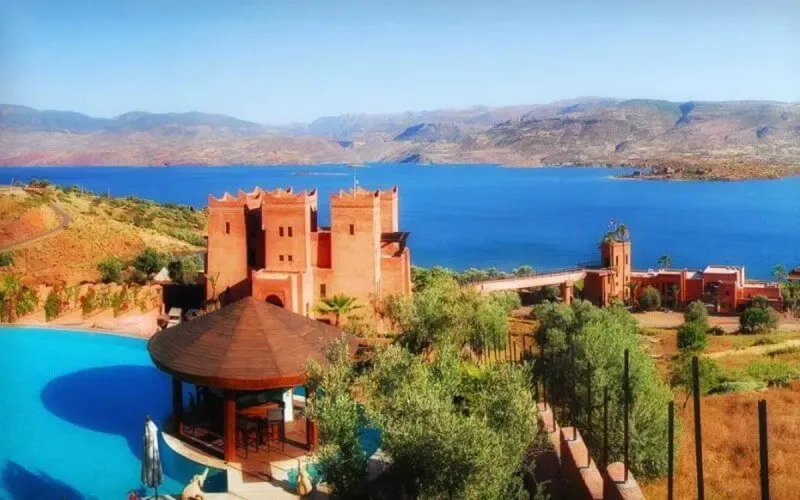
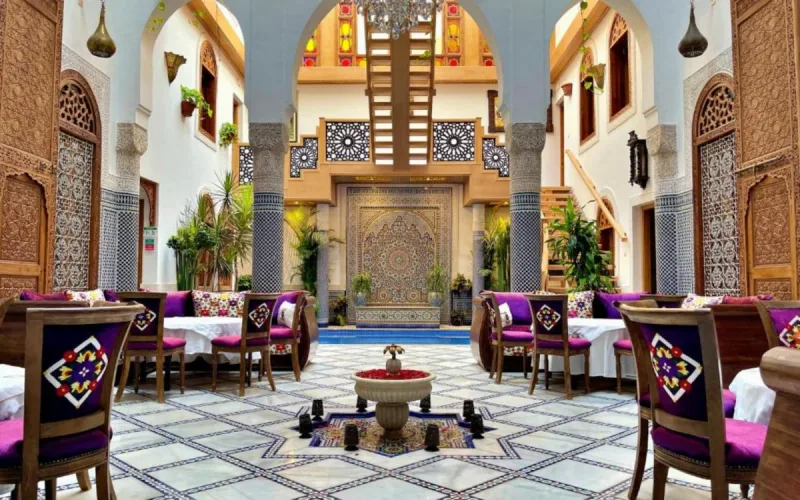
In parallel, the upgrading of the tourism offer aims to increase the average basket per visitor. By focusing on the luxury segments, 4 and 5-star establishments and guest houses, Morocco seeks to improve its profitability. The objective is to easily exceed 150 billion dirhams in revenue thanks to increased added value.
The sector seems to have reached an advanced stage of maturity. Beyond the traditional hubs, regions like Tangier, Fez or the Oriental are consolidating their position, helping to smooth seasonality. For national operators, 2026 will mark the entry of tourism into a phase of sustainable expansion with a decisive weight in the national economy.