Morocco’s imports surge by 103 billion dirhams despite industrial expansion
Morocco is opening more industrial plants, particularly in the automotive and aerospace sectors. Yet imports rose 17% in the first nine months of 2026, compared with 10.7% for exports. Official figures show the impact of equipment, energy and raw materials on this imbalance.
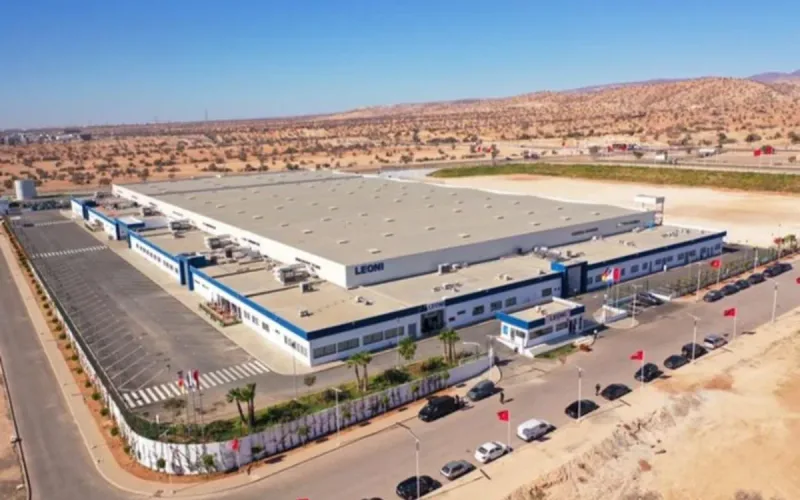
In Kénitra, German automotive supplier Benteler inaugurated a components factory at the end of June, creating more than 300 jobs. In Settat, South Korean company SEOIL has just opened a plant capable of producing six billion straws a year, 95% of them for export. These new facilities illustrate the kingdom’s industrial expansion, even as its import bill continues to grow.
On Bladi.net : Morocco’s imports are rising nearly twice as fast as its exports
According to data from the Office des Changes, Moroccan imports reached 707.99 billion dirhams between January and September 2026, up 102.64 billion in a year. Exports also increased, but by only 36.97 billion, to 384.05 billion dirhams. As a result, the trade deficit widened by 25.4% to 323.94 billion dirhams.
Machinery, energy and raw materials drive up the import bill
Purchases of capital goods rose by more than 31 billion dirhams, reaching 173.38 billion. This category includes aircraft parts, industrial machinery and various types of equipment used in production.
The energy bill rose by almost as much, increasing by around 30 billion dirhams. It reached 111.6 billion, mainly because of higher diesel and fuel oil prices. For these two fuels, import prices rose by 47.5%, while the quantities purchased increased by only 2.4%.
The performance of export sectors contrasts with this rise in spending. The automotive sector sold 132.11 billion dirhams’ worth of goods abroad, up 14.3%. Aerospace exports grew by 22.3%, reaching 26.22 billion dirhams. Phosphates and derivatives remained almost unchanged at 74.65 billion.
Another category seeing a sharp increase is raw materials, imports of which rose by 60.9% to 52.06 billion dirhams. This increase, close to 20 billion, was driven in particular by purchases of sulfur, which is essential for processing Moroccan phosphate into fertilizer. Together, equipment, energy and raw materials accounted for nearly 79% of the additional imports recorded over the nine-month period.
On Bladi.net : Morocco Has Phosphate, but Lacks Sulfur
The gap between purchases and sales is also reflected in the foreign trade coverage ratio. At the end of September 2025, Moroccan exports represented 57.3% of the value of imports. A year later, that proportion had fallen to 54.2%, down 3.1 percentage points.