Morocco’s imports are rising nearly twice as fast as its exports
Moroccan exports are growing, but not keeping pace with imports. In the first eight months of 2026, the trade deficit widened by 25.4% to 282.6 billion dirhams. Energy and equipment accounted for a particularly large share of the increase.
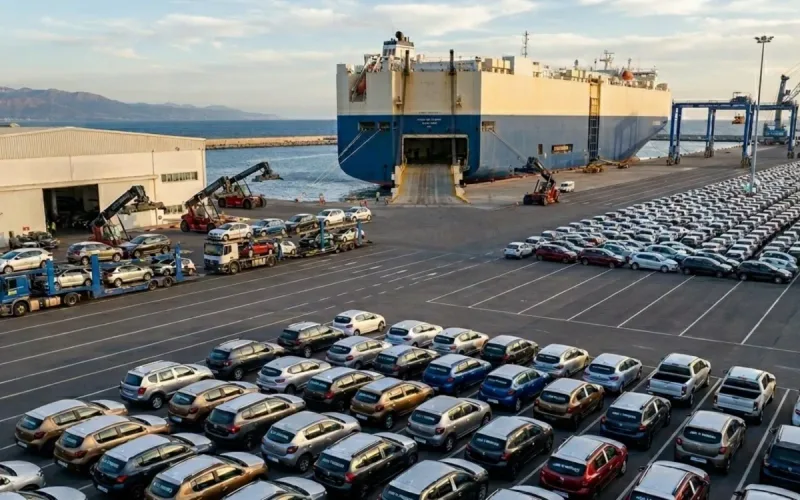
From January to August, Morocco exported 334.9 billion dirhams’ worth of goods, up 8.7%. Its imports rose 15.8% to 617.5 billion, according to the provisional figures from the Office des Changes.
On Bladi.net : Morocco now spends more on auto parts than on imported cars
This gap extends a trend already seen in 2025. For the year as a whole, imports rose 8%, compared with just 3% for exports. The deficit then reached 352.3 billion dirhams, up 15.5%, according to the Office des Changes’ annual report.
In 2026, two categories account for much of the additional spending. Equipment imports rose by 24.1 billion dirhams, notably aircraft parts, utility vehicles and aeronautical equipment. The energy bill increased by almost as much: 23.7 billion dirhams, with a sharp rise in diesel and fuel oil.
Automotive exports rise as phosphates decline
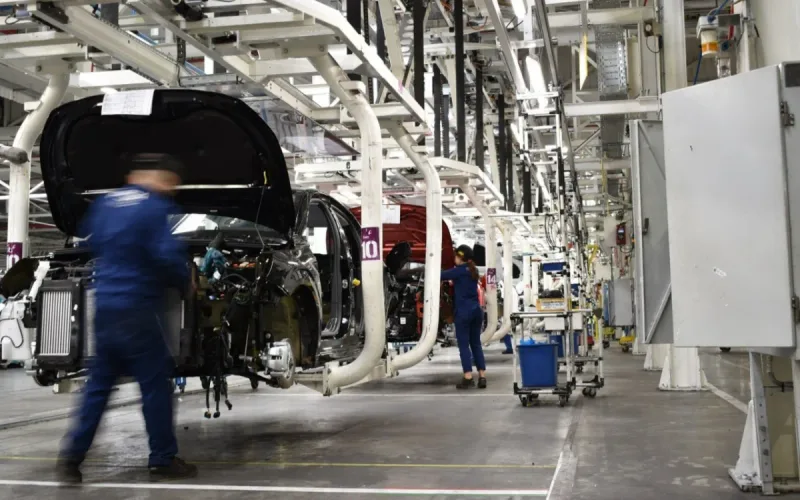
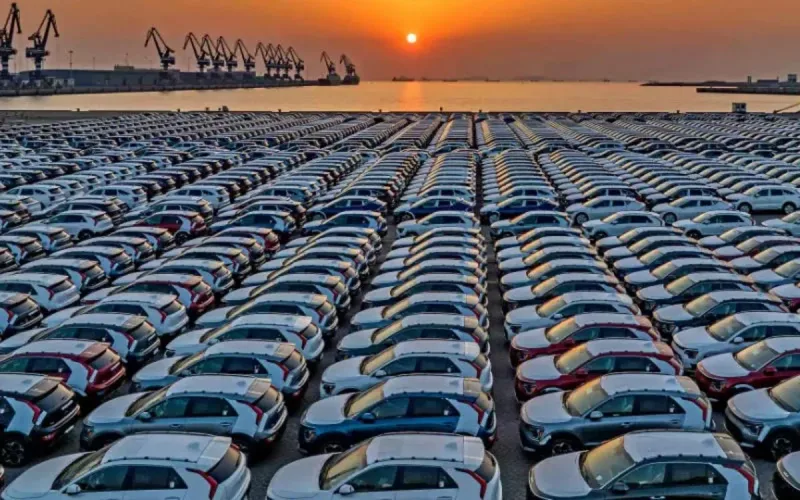
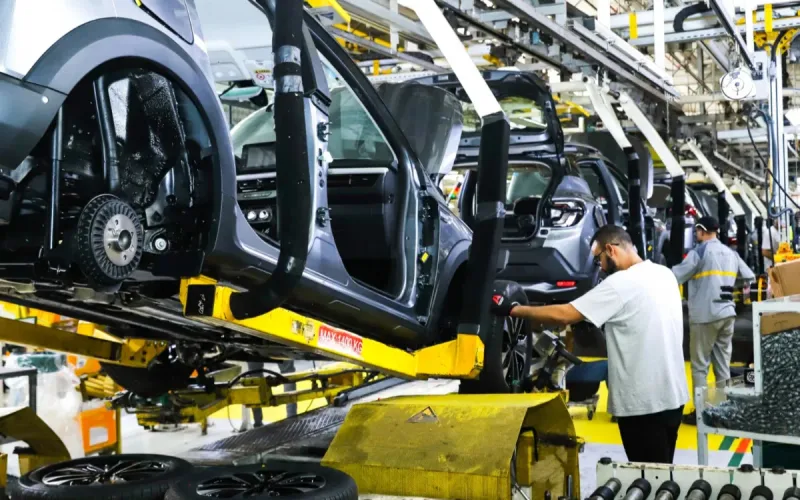
On the export side, the automotive sector remains the leading driver, with sales of 116.1 billion dirhams, up 14.5%. The aerospace sector also advanced, by 21.5%. By contrast, phosphates and derivatives fell 6%, while textiles and leather declined 5.6%.
The growing role of industry is also reflected in European purchases from Morocco. In 2025, the European Union imported 25.5 billion euros’ worth of Moroccan goods. Machinery and transport equipment accounted for more than half, ahead of agricultural products.
But this trade relationship works both ways. That same year, European sales to Morocco reached 36.7 billion euros. Despite the growing share of Moroccan-made goods in its imports, the European Union therefore maintained a surplus of about 11.2 billion euros with the kingdom.
On Bladi.net : Morocco imports surge 203 billion dirhams consumer goods 2025
By the end of August 2026, Moroccan exports covered 54.2% of the value of imports, compared with 57.7% a year earlier.