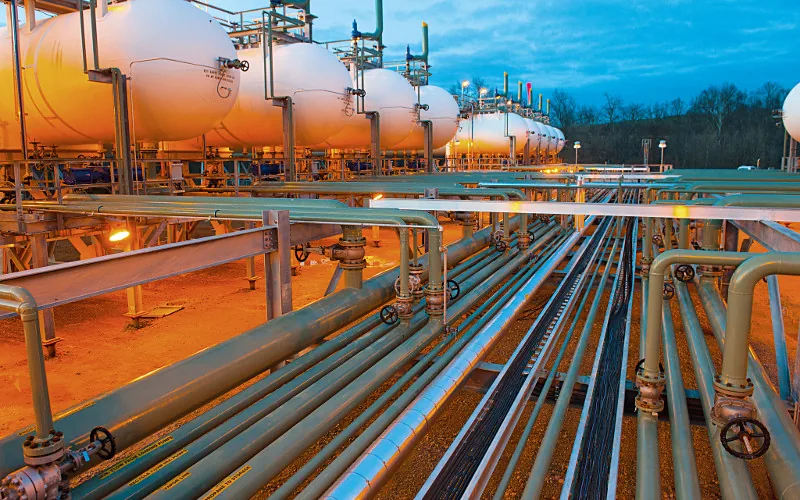
Morocco’s green hydrogen projects attract global investors, but none of eight has begun construction
Morocco has selected major investors and set aside land to develop green hydrogen. A German study of eight major projects finds that none has yet entered the construction phase. It details the next steps, from investment to water needs.
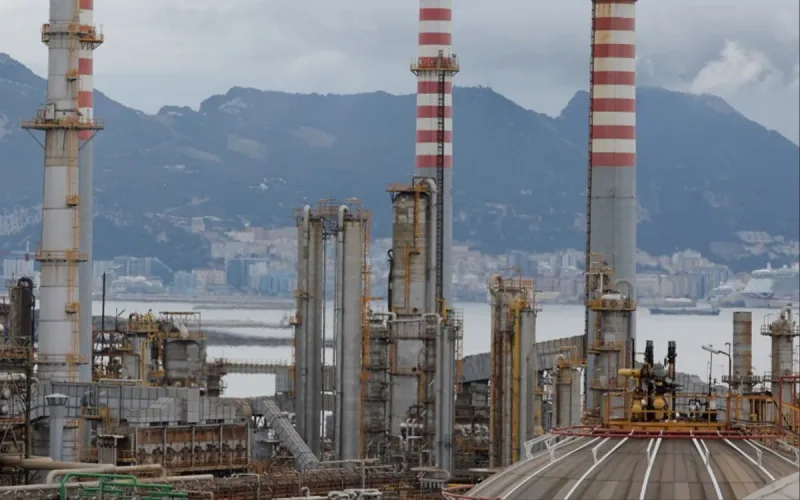
Chbika 1, White Dunes, Ornx: behind these names are Moroccan projects backed by major international groups. Yet none of the eight programmes surveyed has reached the construction phase, according to a study by the German Institute of Development and Sustainability (IDOS) published in October 2026.
On Bladi.net : Europe Wants Green Industry in Morocco, but New Trade Rules Could Undercut It
Researcher Tobias Zumbraegel draws on official documents, publications and interviews conducted notably in Morocco. His inventory includes projects to produce green hydrogen or ammonia, as well as storage facilities linked to the sector.
He cites MELHY, intended for underground storage near Mohammedia; White Dunes in Dakhla; Chbika 1, backed by TotalEnergies; Ornx; Taqa-Cepsa; Nareva; ACWA Power; and a consortium bringing together UEG and China Three Gorges. The locations of three projects have not yet been officially specified.
Land set aside, construction still to begin
Morocco has cleared several administrative hurdles. After projects were selected in March 2025, investors began land acquisition procedures and studies during 2025 and 2026. The author still classifies these advances as preparatory, before construction and industrial operations.
In June 2026, the Moroccan Ministry of Investment announced the validation of initial study results for Ornx and Taqa-Moeve, referred to as Taqa-Cepsa in the report. Monitoring committees are overseeing their development.
The researcher points to other challenges: coordination between government agencies, safety regulations specific to hydrogen, and water needs in regions already facing water stress. Dedicated desalination plants are being considered to supply the future sites.
The next steps will involve securing investment, obtaining permits and starting construction. The report describes a sector with partners identified, but all eight projects studied remain to be realized.