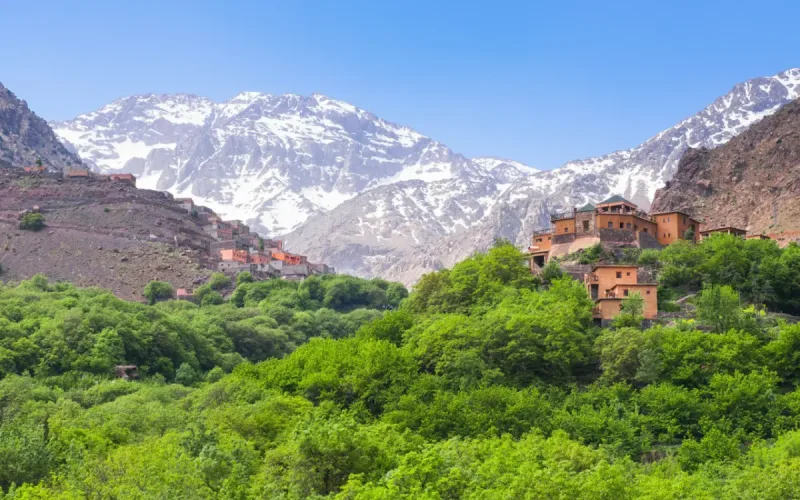
Morocco’s Fossil Microbes Reveal Secrets of Primordial Oceans
A study published in the journal Geology reveals that folded rock structures in Morocco are fossilized microbes 180 million years old. This discovery proves that life thrived in the darkness of the seafloor.
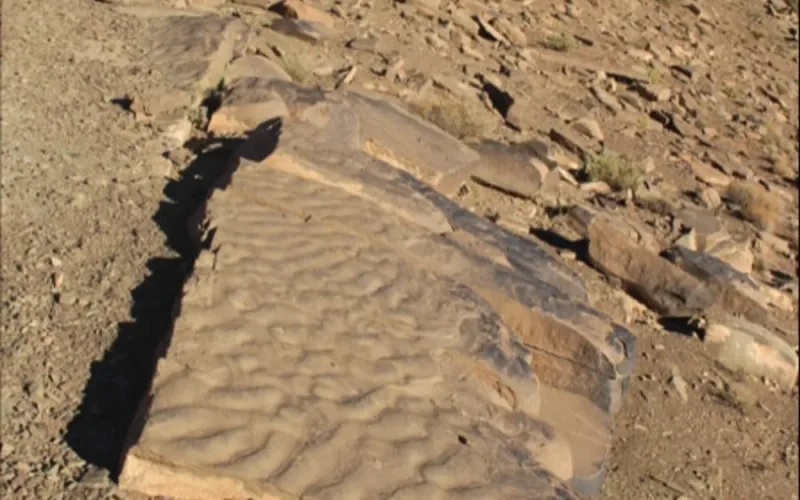
Geologist Rowan Martindale identified these textures in the High Atlas, at a depth of 200 meters. Contrary to classical physical theories, these “ridges” point to biological colonization by microbial mats that used chemistry rather than light.
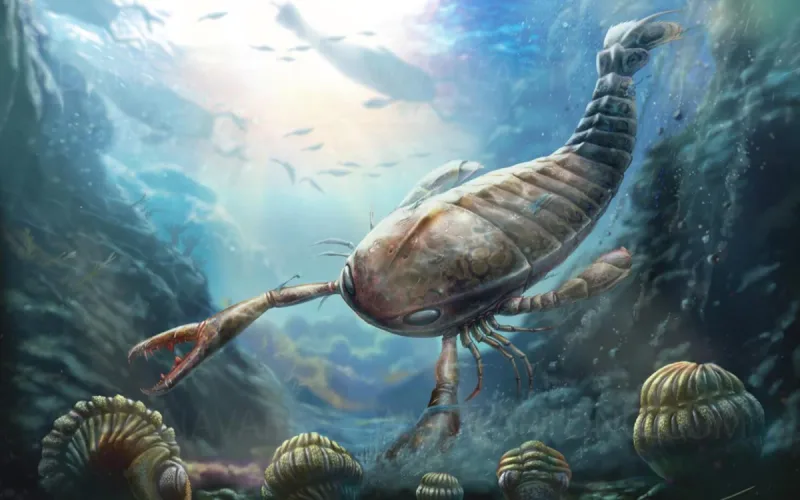
On Bladi.net : Morocco: Researchers Discover a Giant 470-Million-Year-Old Marine Scorpion
These chemolithotrophic organisms survived thanks to chemical compounds carried by currents. They produced toxins to deter predators, enabling the exceptional fossilization of their delicate structures above turbidity sediments deposited by underwater landslides.
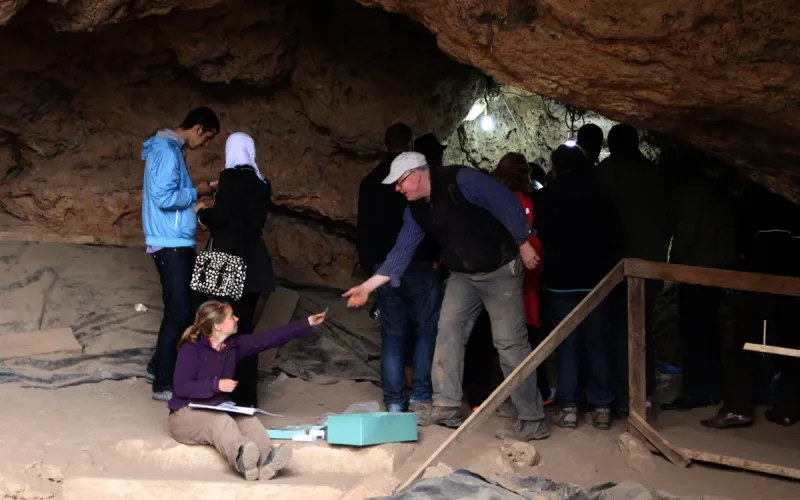
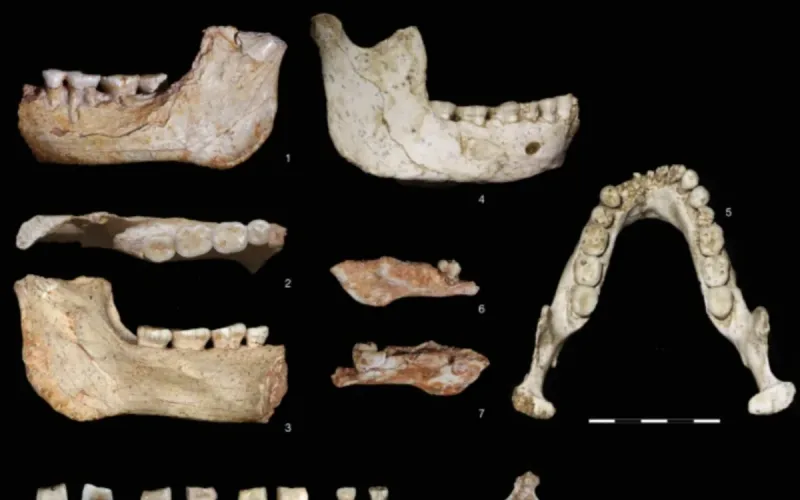
On Bladi.net : Origins of Humans: Morocco Unveils the Potential Common Ancestor of Sapiens and Neanderthal
This research overturns the traditional interpretation of deep-sea sediments. Previously associated with physical processes, these deposits now reveal complex ecosystems. This new geobiological map suggests that primitive terrestrial life was far more widespread in the marine abyss.
This model offers a groundbreaking perspective for exobiology. According to the team, these Moroccan mats serve as analogues for the search for life on Jupiter’s icy moons, where dark environments rich in chemical reactions still predominate today.