Far from the chaos of Marrakech: the village that invented the tourism of the future
In contrast to the tumult of Marrakech, the Berber village of Imlil cultivates a model of slow and solidarity-based tourism. Driven by the Kasbah du Toubkal, this bastion of the High Atlas finances local development while preserving its authenticity.
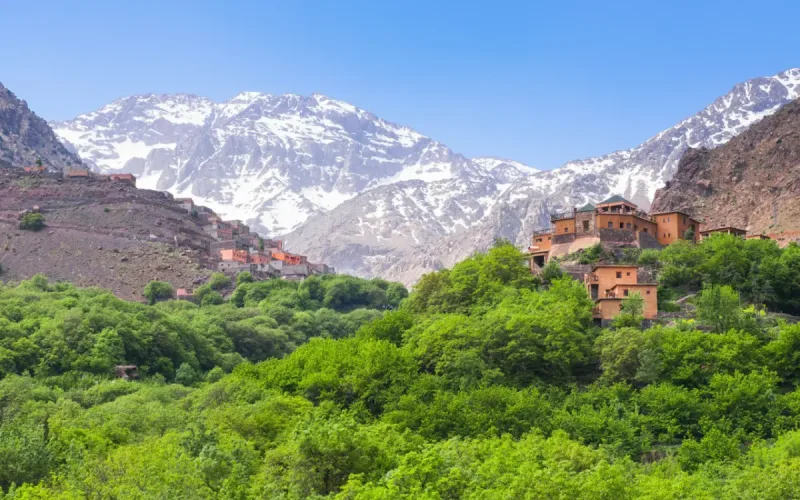
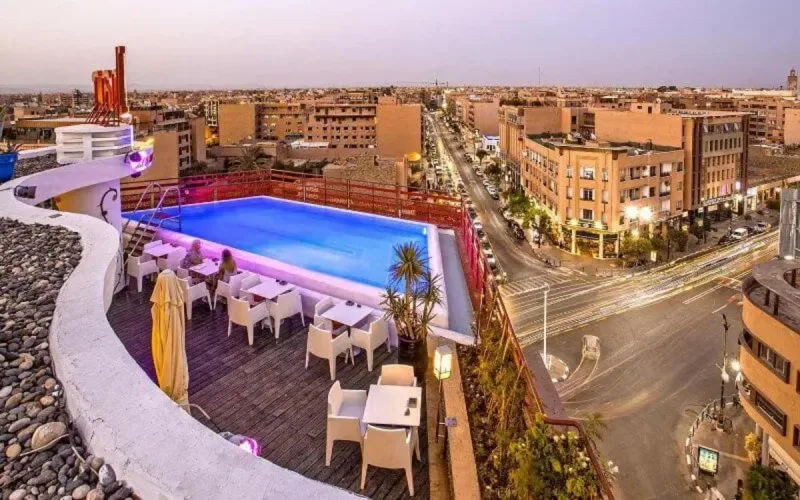
Located at the foot of Mount Toubkal, the highest point in North Africa (4,160 m), Imlil offers a striking contrast to the tourist saturation of Marrakech. While the "Ochre City" is now one of the most overcrowded destinations in the world, this mountain village preserves a rural economy based on agriculture and traditional hospitality. Here, the absence of major brands and widespread Wi-Fi encourages an immersion focused on fresh air and rammed earth architecture, reports Metro.co.uk.
The driving force behind this resilience is the Kasbah du Toubkal, a pioneering establishment of responsible tourism opened in 1995. Founded by Mike McHugo and Omar Ait Barmed, the lodge employs exclusively residents of the valley and reinvests 5% of its turnover in the Imlil Community Association. This financial windfall has made it possible to finance essential services, including the only ambulance in the area, a waste management system, and educational programs for women.
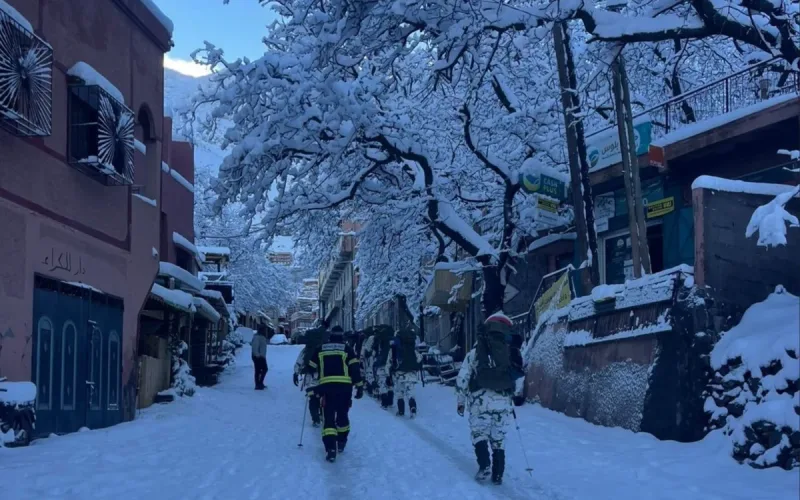
This model of solidarity has proven its effectiveness during the devastating earthquake of September 2023. The lodge and village infrastructure were rebuilt by the villagers, demonstrating a strong social cohesion. For the inhabitants, tourism has become an indispensable lifeline in the face of climate change: the decrease in snowfall over the past five years has weakened the walnut and cherry harvests, making the welcoming of travelers vital for the local economy.
In contrast to the coastal and urban areas of Morocco, marked by rampant urbanization and water scarcity, Imlil is focused on cultural transmission. Visits to local homes, such as the preparation of traditional tajine or the learning of the Amazigh language, remain at the heart of the experience. This approach preserves the "sense of community," a cardinal value that the Berbers of the High Atlas intend to protect despite the constant growth of the national tourism sector.