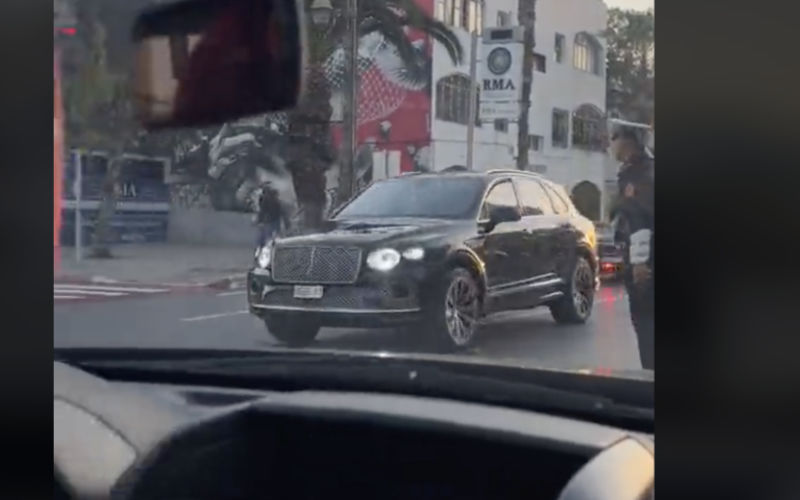
Morocco: even when the light is green, some MREs no longer dare to cross
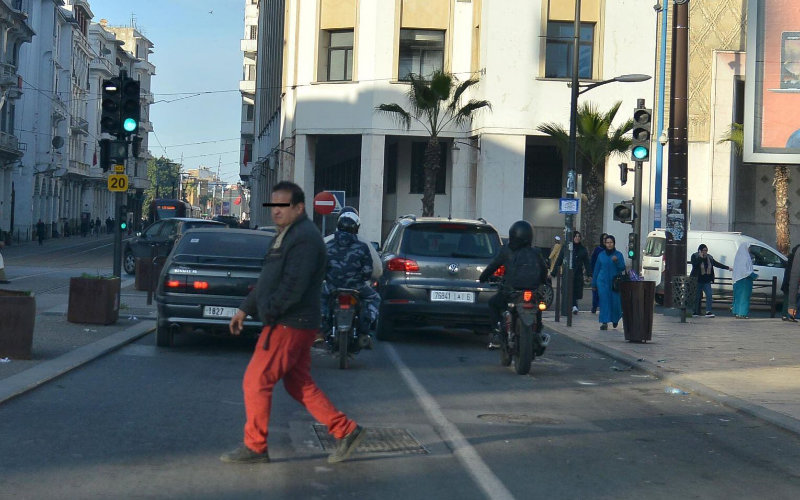
Returning to Morocco after living in Europe can sometimes hold an unexpected shock for MREs. At pedestrian crossings and traffic lights alike, several say they have to fight to cross, even when the signals give them priority.
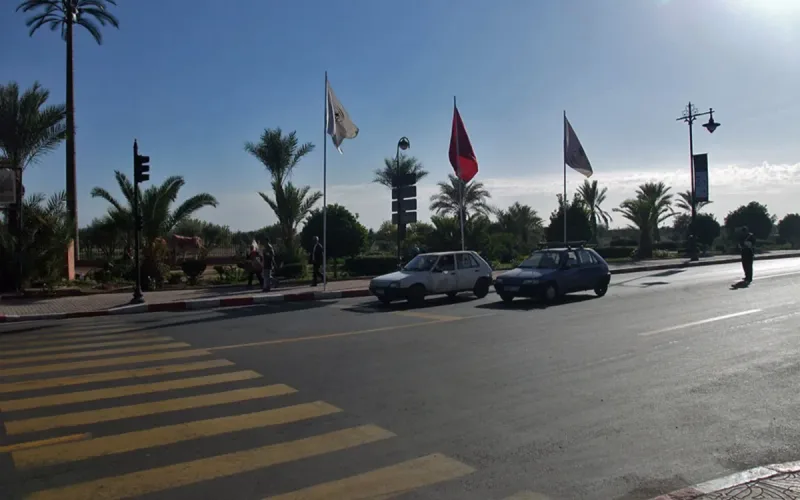
A Moroccan woman living in England says she was “traumatized” by motorists’ driving during her most recent holiday in Hay Riad, Rabat. Despite having her baby in a suitable car seat, every trip by car had become a source of anxiety.
On Bladi.net : Morocco Road Safety Crisis: Civility and Traffic Code Enforcement
Phones at the wheel, vehicles abruptly entering roundabouts, driving between two lanes, failure to use indicators: above all, she says she was struck by the almost systematic refusal to let pedestrians cross. “It was a nightmare. I dreaded going out and simply wanted to return to England,” she said in a discussion published on Reddit.
The same observation is shared by a young woman of Moroccan origin, born and raised in Europe. After returning to Morocco for three weeks, she explains that her annual stays gradually give her the feeling of moving away rather than drawing closer to her country of origin. She particularly mentions the chaos in the streets and exhausting traffic. In the comments, other Moroccans living abroad say they recognize themselves in her experience.
For MREs accustomed to seeing a car slow down as soon as a pedestrian approaches a protected crossing, the change is brutal. In Morocco, stepping onto the white stripes does not always guarantee that vehicles will stop. Some drivers even honk at the motorist who slows down to let someone cross.
Even a green light is no longer enough
In Mohammedia, a person who had been living in the city for a year said in April 2026 that motorists continued to pass within a few centimeters of pedestrians even though their light was green. According to the testimony, some even accelerated as they approached protected crossings.
A month later, in Témara, a pedestrian claimed that a bus had accelerated while he was crossing Hassan II Avenue at a pedestrian crossing. When he raised his hand to ask the driver to stop, she allegedly laughed. In the reactions, an internet user says he sometimes remains stuck in the middle of the road because only one lane agrees to stop. One motorist, for his part, explains that he is regularly honked at when he gives pedestrians the right of way.
Moroccan road-safety authorities remind people that the Highway Code requires drivers to stop and give priority to pedestrians at protected crossings. Motorists must also let them pass when they have already entered the roadway or clearly indicate their intention to cross.
The latest opinion of the Economic, Social and Environmental Council nevertheless shows that dangerous behavior persists. In 2024, pedestrians accounted for 24.7% of people killed on Moroccan roads, or nearly one in four deaths. The national road-mortality rate reached 10.5 deaths per 100,000 inhabitants, compared with 3.4 in the Netherlands. Public roads and urban areas are also considered the places most affected by uncivil behavior by 67% of respondents.
Motorists are not the only ones at fault: pedestrians also cross on red lights, outside protected crossings, or without checking for approaching vehicles. But the balance of power remains deeply unequal. Faced with a car, a bus or a motorcycle, the pedestrian remains the most exposed road user.
On Bladi.net : Rabat Revives Pedestrian Fines to Boost Road Safety, Sparks Debate
For some MREs, the real shock of returning to Morocco therefore occurs neither at the airport nor at customs. It comes at the first pedestrian crossing, when they realize that the little green man does not necessarily mean they can cross safely.