Morocco Road Safety Crisis: Civility and Traffic Code Enforcement
The CESE alerts on the persistence of dangerous behaviors on Moroccan roads. Despite the tightening of the traffic code, accidents and violations remain at a concerning level.
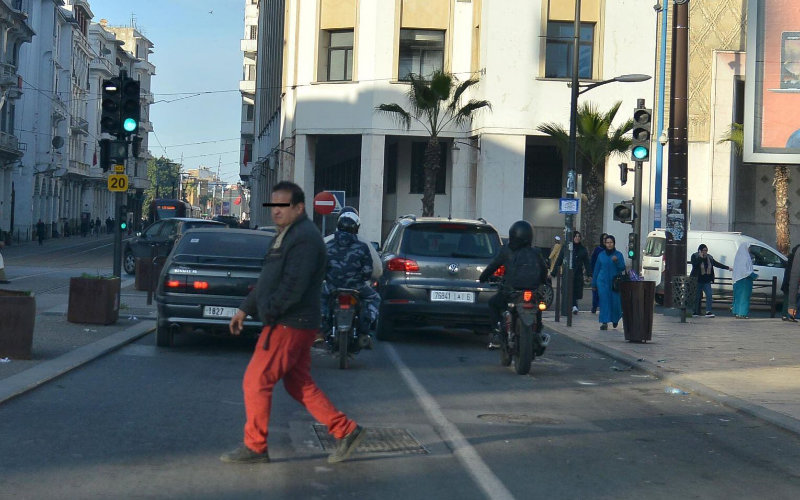
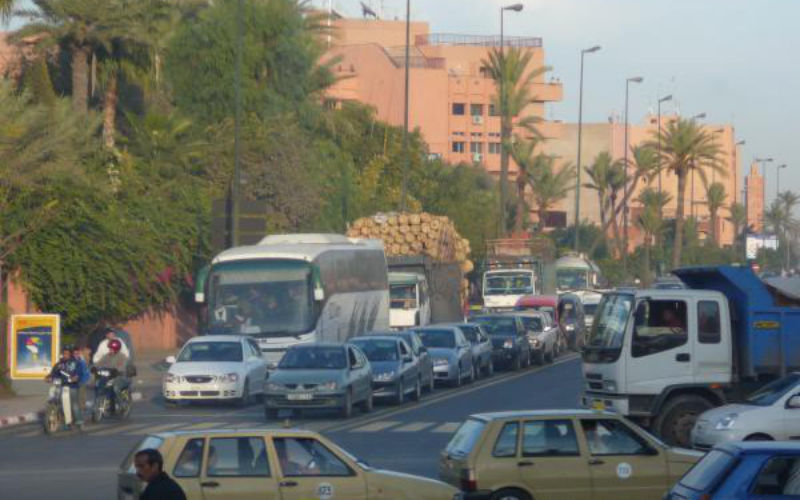
Respect for the traffic code remains one of the most visible markers of civility in public spaces in Morocco. Drivers, pedestrians, two-wheeler users: the way of sharing the road says much about the relationship to rules and the safety of others. In its opinion on civic behavior in public spaces, the Economic, Social and Environmental Council (CESE) estimates that road safety remains a major problem area.
On Bladi.net : Morocco Incivility Crisis: Waste, Aggression, Road Safety
The figures cited by the Council are concerning. The national road accident mortality rate stood at 10.5 deaths per 100,000 inhabitants in 2024. By comparison, it was 3.4 in the Netherlands, 3.2 in Sweden and 2.9 in Ireland. The gap shows that the problem is not only about the state of roads or the vehicle fleet, but also about behaviors.
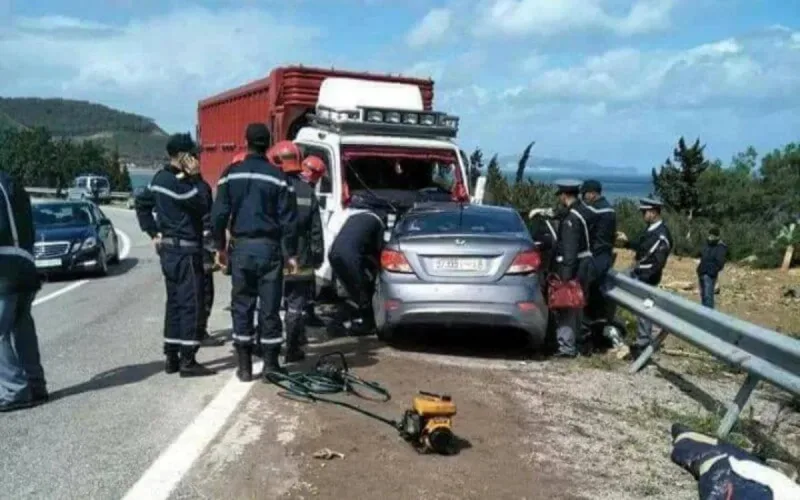
Pedestrians and the most vulnerable road users pay a heavy price. In 2024, nearly a quarter of people killed on Moroccan roads were pedestrians. Two and three-wheeler users accounted for 42.1% of deaths. In other words, a large part of the victims are among those who are least protected in traffic.
The situation deteriorated further between 2023 and 2024. The number of accidents increased by 15.2%, deaths by 4.4%, seriously injured by 8.6% and slightly injured by 14.9%. Over a longer period, the finding is even more striking: between 2015 and 2024, the number of accidents increased by 80.4%, while the vehicle fleet increased by only 25%.
The first months of 2025 show no clear improvement. Between January and May, 1,624 deaths were recorded on the roads, an increase of 20.9% compared to the same period in 2024. For the CESE, these data confirm the persistence of risky behaviors in public spaces.
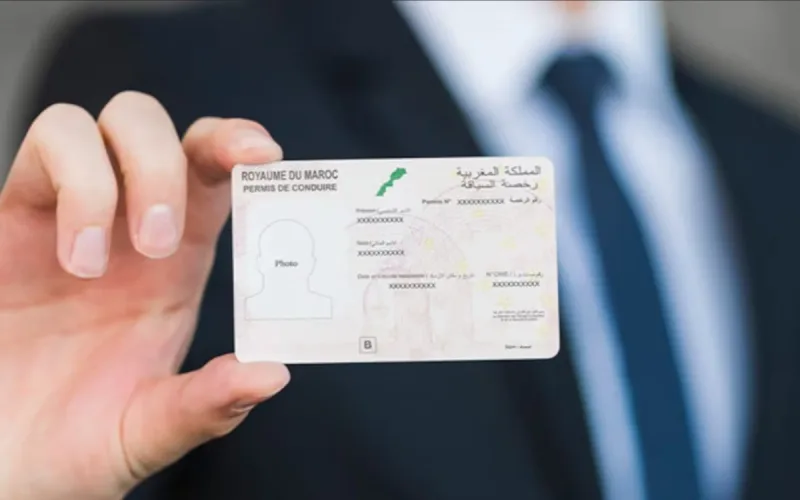
Morocco has nevertheless strengthened its legal arsenal. The traffic code, which came into force in 2010, introduced a points-based license and toughened penalties. The 2016 reforms strengthened the handling of violations and repeat offenses. Since 2018, other measures have been implemented, particularly in driver training, theoretical exams and the digitalization of services related to driving licenses.
But these efforts have not yet produced the expected results. The objective of reducing deaths from traffic accidents by half by 2026 does not appear to be achieved at this stage, notes the CESE. The Council thus recalls that road safety cannot rely solely on laws, fines or checks.
The problem is also cultural. Running a priority, speeding, ignoring a pedestrian crossing, driving aggressively or circulating without respecting other road users are not only violations. They are also uncivil behaviors that directly endanger the lives of others.
On Bladi.net : Rabat Revives Pedestrian Fines to Boost Road Safety, Sparks Debate
For the CESE, road safety must therefore be approached as a matter of civility. Respect for rules, accountability of drivers and pedestrians, education and effective enforcement of the law are called to advance together. Without this change in behavior, the tightening of rules risks remaining insufficient.