One death every two hours: the urgency of a driving revolution in Morocco
Faced with the increase in fatal accidents in 2025, the Moroccan government is deploying an 800 million euro plan until 2030. This initiative aims to secure road infrastructure and strengthen prevention.
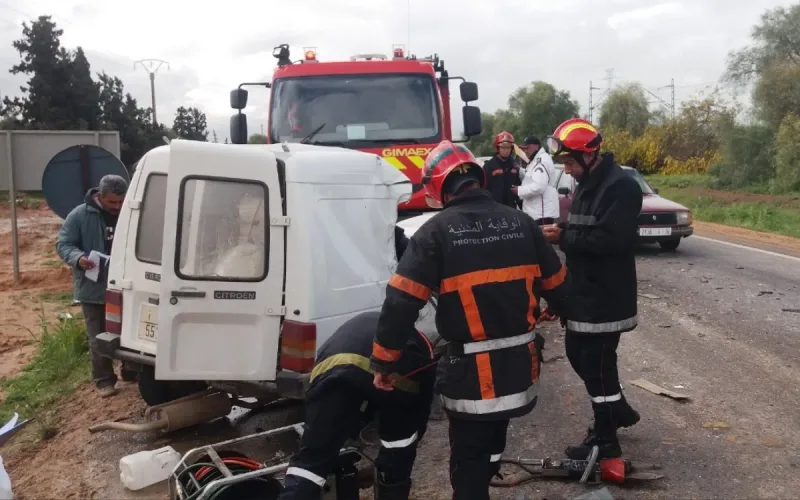
Road mortality is a major public health problem in Morocco, with one victim recorded every two hours. According to the National Road Safety Agency (NARSA), the year 2025 recorded 160,000 accidents that caused the death of 4,577 people, marking a 25.5% increase in one year. The World Health Organization estimates this rate at 17 deaths per 100,000 inhabitants, a level five times higher than that of Spain, for example.
On Bladi.net: After worrying figures, Morocco changes its method on the roads
Pedestrians and motorcyclists pay the heaviest toll, representing 70% of the victims, while half of the deceased drivers are under the age of thirty-five. NARSA attributes this sinister situation to multiple offenses, ranging from speeding to non-compliance with signage, including the use of a mobile phone while driving. The condition of secondary roads, the presence of animals on the roads, and the circulation of vehicles without lighting significantly exacerbate this insecurity.
In large cities like Rabat, Casablanca or Marrakech, traffic lights and pedestrian crossings are rarely respected. Meryem, an employee in the capital cited by EFE, illustrates this urban reality: "You don’t have to think, you have to cross the Moroccan way. Take advantage of the moment when many people are crossing and go for it. The cars stop." Furthermore, the unexpected stops of shared taxis complicate the flow of urban traffic.
On Bladi.net: Morocco: new developments for the driving license
To reverse this trend by the 2030 FIFA World Cup, co-hosted with Spain and Portugal, the authorities now require the validation of the theoretical exam before any practical training in driving schools. Awareness campaigns are also being broadcast to encourage helmet wearing among two-wheeler riders, who are involved in 2,300 deaths per year.