Morocco's $1 Billion Urban Transit Overhaul: Revolutionizing Cities by 2029
Morocco is implementing a new plan for the development of urban public transport that will cover the period 2025-2029. The Parliament was presented with this plan by the Minister of the Interior, Abdelouafi Laftit.
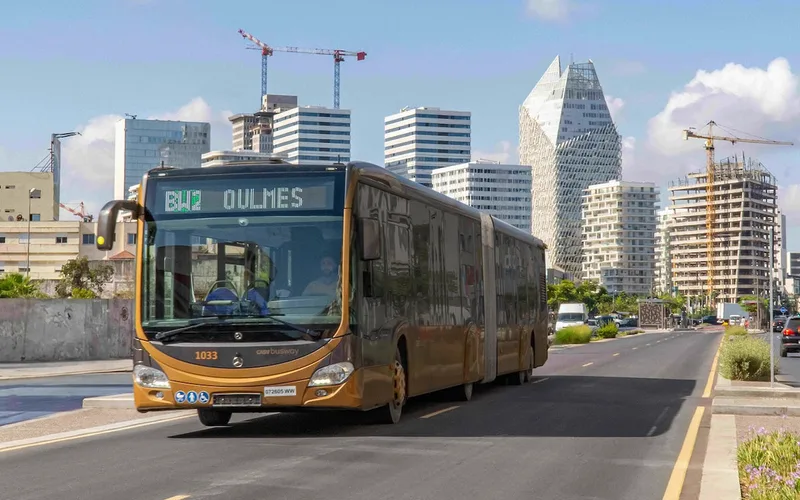
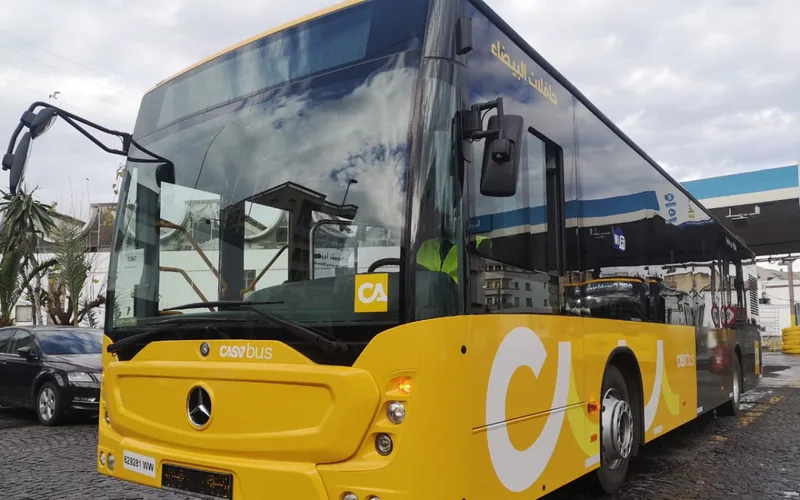
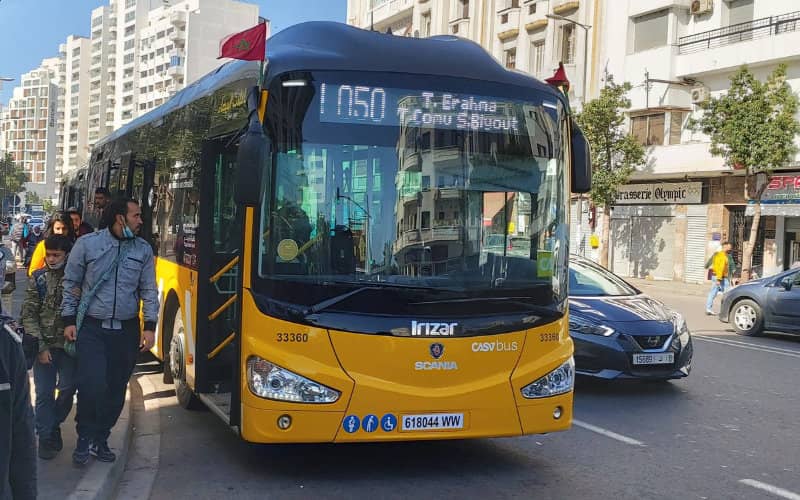
The time for the transformation of urban transport has come. In his response to the questions of the parliamentarians of the second Chamber of the Moroccan Union of Labour (UMT), Abdelouafi Laftit unveiled the new plan for the development of urban public transport that will cover the period 2025-2029. Its watchword can be summed up as: "improving the quality of services and guaranteeing the rights of workers". The programme will be financed to the tune of more than 11 billion dirhams. It covers all aspects of delegated management, from the acquisition of around 3,796 buses to operating assistance systems and user information, as well as ticketing systems, the development of depots, stops, signage terminals and maintenance centres, according to Challenge.
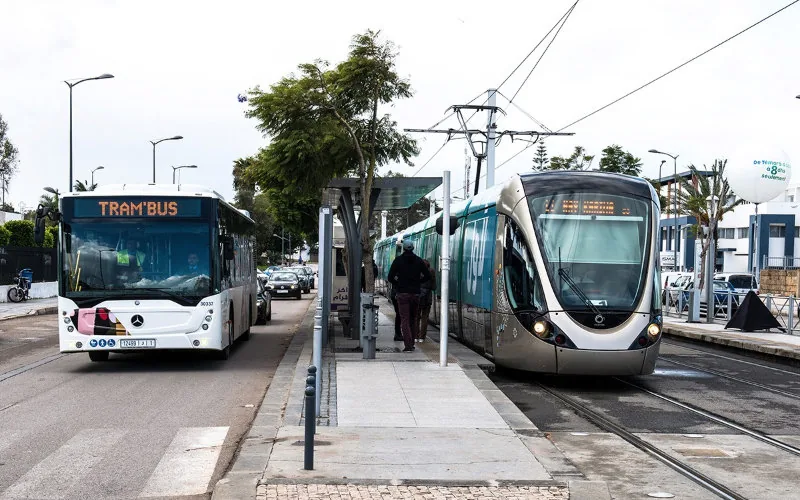
A convention setting out the financial structure of the programme has been signed to ensure its implementation. The financing will be provided one-third by the regions and two-thirds by the FRAT. As for the tram and bus rapid transit systems (the four tram lines in Casablanca, the two bus rapid transit lines in the same city, two tram lines in Rabat-Salé and one bus rapid transit line in Agadir), they will be financed through the Fund for Supporting Urban and Intercity Transport Reforms (FRAT), in partnership with the local authorities concerned. New studies are underway to develop the network of dedicated transport lanes in the cities of Rabat-Salé-Témara, Marrakech, Tangier and Fez, with financing provided by the FRAT, the minister added.
According to Laftit, this plan represented a break with previous experiences, as it favours a comprehensive approach integrating infrastructure, digital systems and social governance.