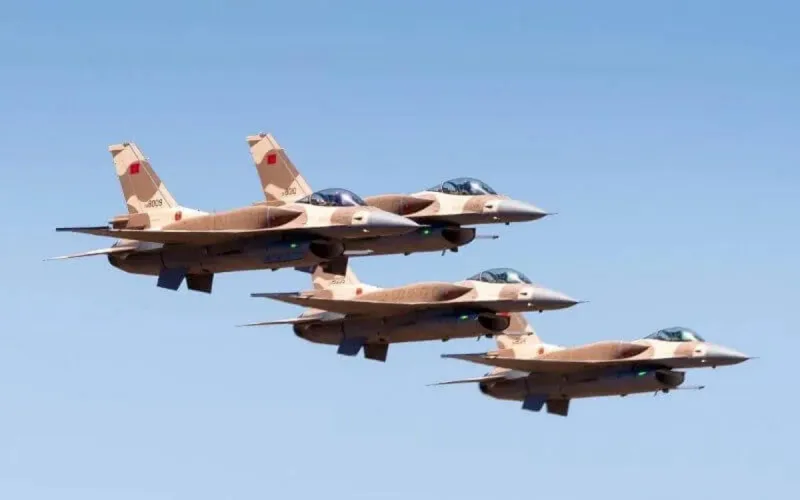
Morocco-Algeria Arms Race: New Military Technology Raises Regional Tensions
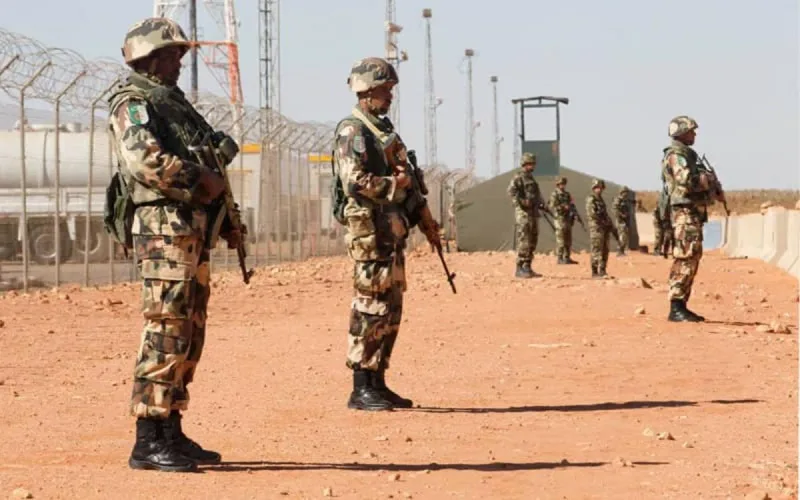
The rivalry between Morocco and Algeria is undergoing an unprecedented strategic acceleration. Rabat is diversifying its military partners toward Central Europe, while Algiers is deploying Chinese electronic warfare systems and Russian fighter jets along its border.
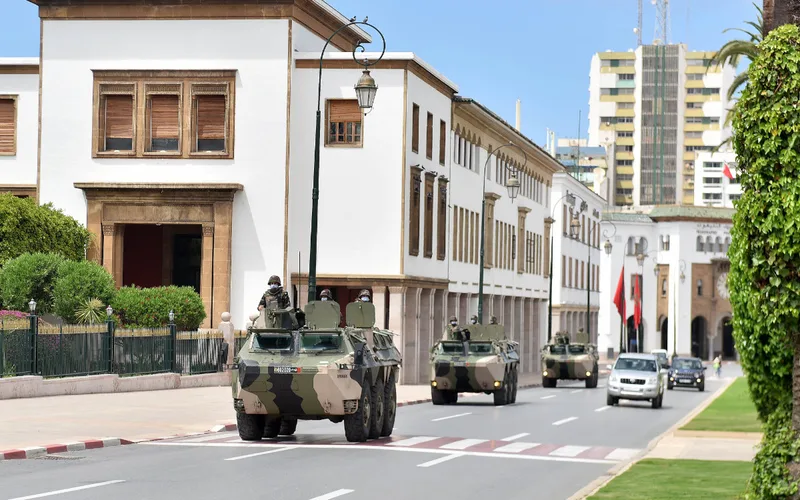
Morocco has recently integrated TREVA-30 tactical recovery vehicles, produced by the Czech firm Excalibur Army, into its arsenal. According to the Spanish newspaper La Razón, this move illustrates Rabat’s desire to no longer depend exclusively on the United States by expanding its industrial partnerships. The objective is to strengthen the operational availability of its ground forces while consolidating a military modernization strategy focused on the sustainability of maneuver operations.
On Bladi.net : article 119479
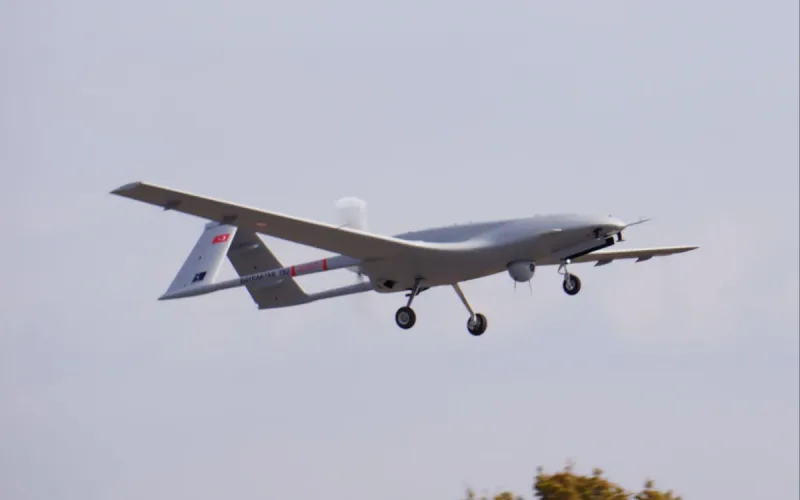
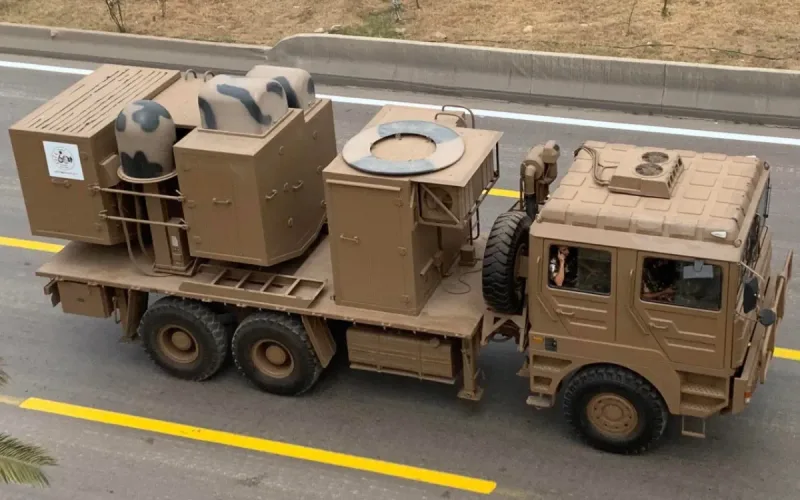
For its part, Algiers is focusing on access denial and control of the electromagnetic spectrum. Analysts specializing in open-source intelligence (OSINT) have identified a Chinese CHL-906 electronic warfare system just six kilometers from the Moroccan border. Designed to detect and jam radars across a wide spectrum, the system aims to neutralize the use of enemy drones or missiles within a strategic perimeter.
On Bladi.net : Arms race: Morocco increases its Defense budget by 18% for 2026
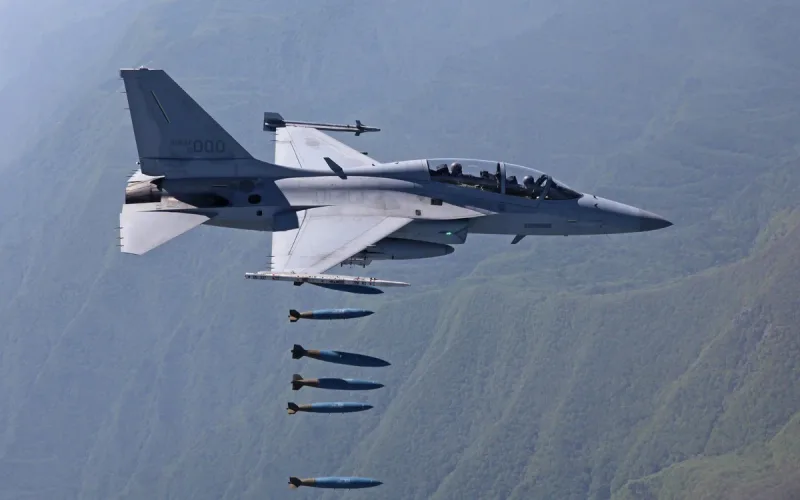
The Algerian Air Force has also reached a new operational level with the commissioning of the Russian Su-57 stealth fighter. This technological choice strengthens the historic ties between Algiers and Moscow, despite Washington’s warnings regarding the CAATSA law. These U.S. sanctions, targeting major transactions with Russia’s defense sector, are placing growing diplomatic pressure on the Algerian government as the region’s technological capabilities continue to rise.
This arms race follows a pattern of permanent action and reaction since the closure of the land border in 1994. In this climate of friction, every deployment is interpreted as a deterrence message. As the Spanish daily newspaper points out, regional stability now depends on increasingly sophisticated combat capabilities and systematic monitoring of the neighbor’s movements to anticipate any conflict scenario.