Moroccan tomatoes French producers lose negotiations market pressure
Despite a year of negotiations, French producers have obtained no restrictions on Moroccan tomato volumes. The recent signing of a joint declaration rules out any constraints on shipment seasonality, cementing a true status quo.
The promise of commercial rebalancing has evaporated. While French farmers demanded a reduction in arrivals during summer to protect their harvests, the agreement initialed on April 22 at the Meknes Agricultural Show includes no limitations. The Légumes de France association even had to correct its own communications, admitting it had gone too far in initially announcing a compromise on reciprocal production schedules. The final text concluded with the Association of Moroccan Fruit and Vegetable Producers and Exporters (Apefel) remains completely devoid of binding elements.
On Bladi.net : French and Moroccan Tomato Producers Sign Cooperation Agreement at Agricultural Expo
Far from quota demands, this agreement is limited to institutional exchanges. The document, whose details remain confidential, provides for establishing ongoing dialogue between the two sectors, focused notably on adaptation to climate disruption. Seeking to downplay this minimalist outcome, Sylvestre Bertucelli, director general of the French organization, told AFP that it is a "shared commitment to coordinate on technical, agronomic and health matters, so that French and Moroccan producers can find their place without stepping on each other’s toes."
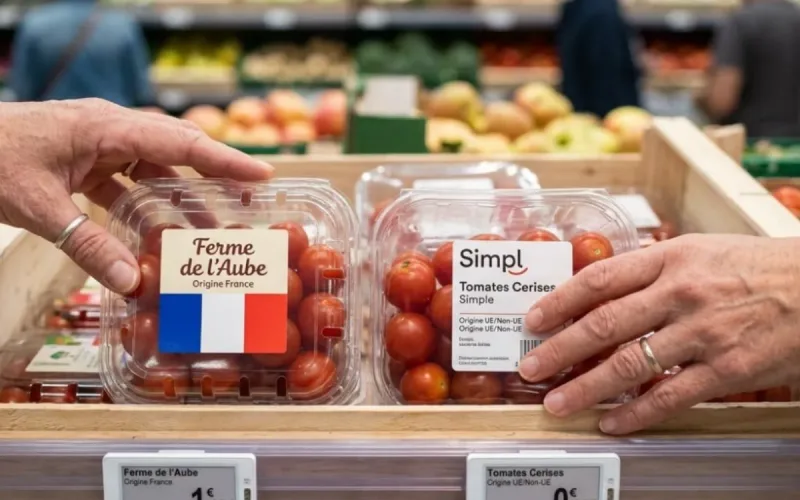
On Bladi.net : Morocco Cherry Tomatoes Flood French Market - Producers Demand Action
This lack of firmness maintains pressure on an extremely tight market. Available year-round at aggressive prices thanks to less expensive labor, Moroccan tomatoes embody the loss of agricultural sovereignty for many operators. In early April, the Savéol cooperative denounced a "distortion of competition" and called for a revision of the free trade agreement. Facing this discontent, the French union, which represents 80% of the profession, now passes the ball to decision-makers by advocating for the creation of a "favorable political framework" for future comprehensive negotiations.