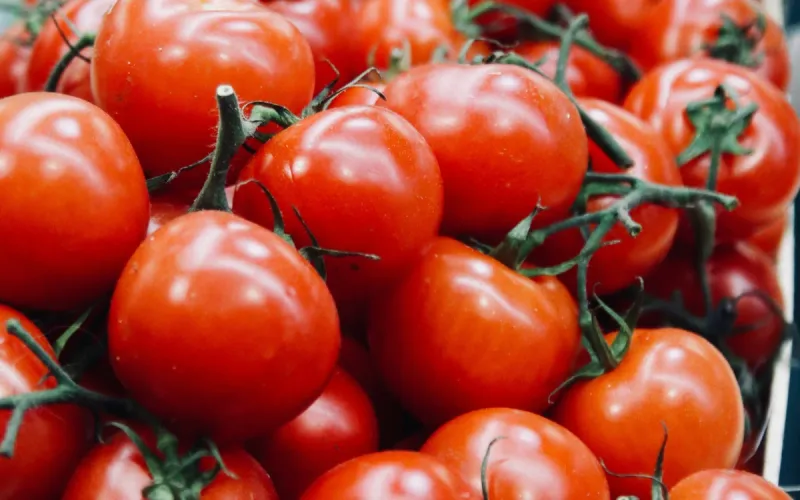
Moroccan tomatoes fight inflation in France
Facing soaring prices, Moroccan agricultural exports offer unexpected relief to French consumers. Low-cost imported tomatoes are curbing inflation in supermarkets, despite growing anger from producers in mainland France.
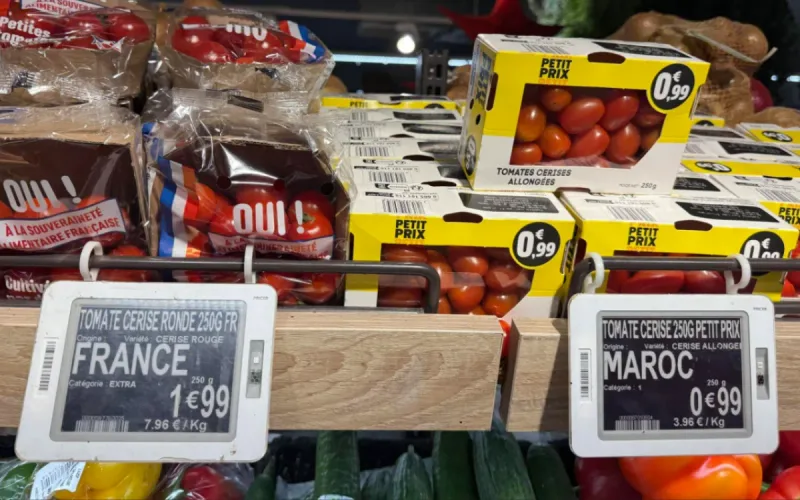
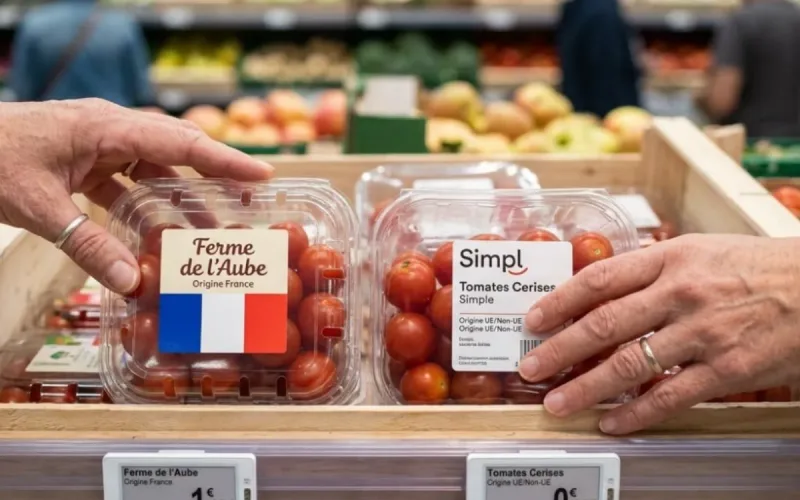
Eating this fruit year-round at an affordable price would be impossible without massive shipments from Morocco. In the midst of a purchasing power crisis, these agricultural products act as a genuine shock absorber for French wallets. This crushing competitiveness rests on a workforce paid one euro per hour in Morocco, compared to eleven euros in France. An abyssal wage gap that allows shelves to be stocked with cherry tomatoes at one euro per punnet.
On Bladi.net : French Tomato Farmers Decry Unfair Competition from Morocco
Facing this price war, French farmers are attempting a frontal counterattack. The Tomato & Cucumber of France association is deploying packaging stamped with "blue/white/red" in stores priced at 1.29 euros. However, local producers struggle to compete against this firepower. A Moroccan agricultural expert even ironizes about the illusion of total food sovereignty, emphasizing that it is utopian for Europeans to want to consume these vegetables continuously over twelve months without resorting to imports.
This commercial fluidity stems from the euro-Mediterranean agreement of 2000, which progressively liberalized trade by removing customs barriers. Today, Rabat stands as the world’s third exporter with 11% market share, capturing 23% of the European market just behind the Netherlands. This red gold sector weighs extremely heavily: global sales estimated at 217 billion dollars in 2025 are expected to climb to 261 billion by 2029.
On Bladi.net : Morocco’s Tomato Dominance Crushes Spanish Farmers: EU Imports Soar 269%
If climate warming and water scarcity caused production to decline by 11% in 2025, the tomato remains the pillar of sprawling commerce. According to an analysis published by Le Point, these exchanges guarantee mutual profitability and consolidate a vast economic partnership. France remains the leading foreign investor there, materializing over ten billion euros in contracts following its recognition of Western Sahara.