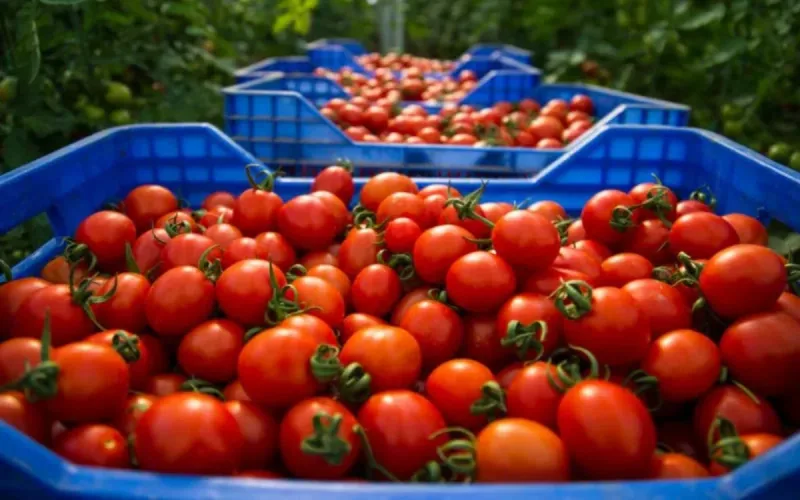
Moroccan Tomatoes: EU Farmers Denounce Unfair Competition and Opaque Labels
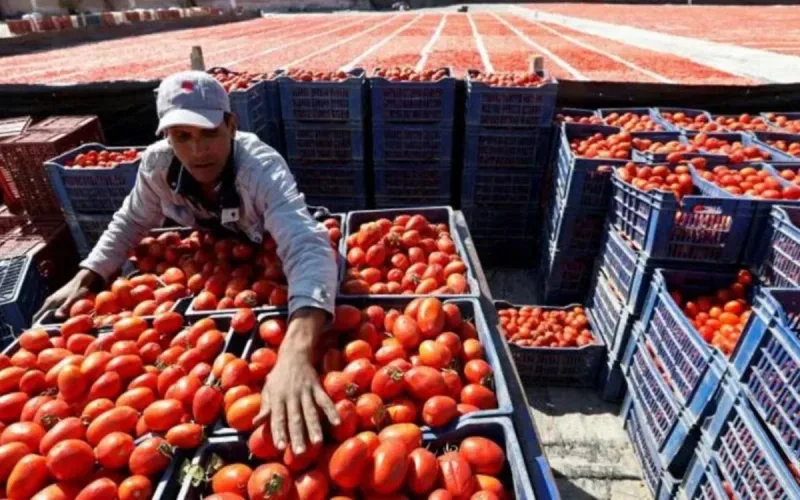
A group of Spanish, French, Italian and Portuguese producers has formed a united front against Moroccan tomato imports. They denounce unfair competition linked to social and environmental standards, threatening European agricultural sovereignty.
Agricultural organizations are demanding that Moroccan vegetables be subject to the same health and social requirements as products from the Old Continent. They highlight major disparities in the use of plant protection products, allowing the Cherifian kingdom to benefit from a competitive advantage deemed “insurmountable” for European farmers.
On Bladi.net : Moroccan milk on Spanish shelves? Anger rises among farmers
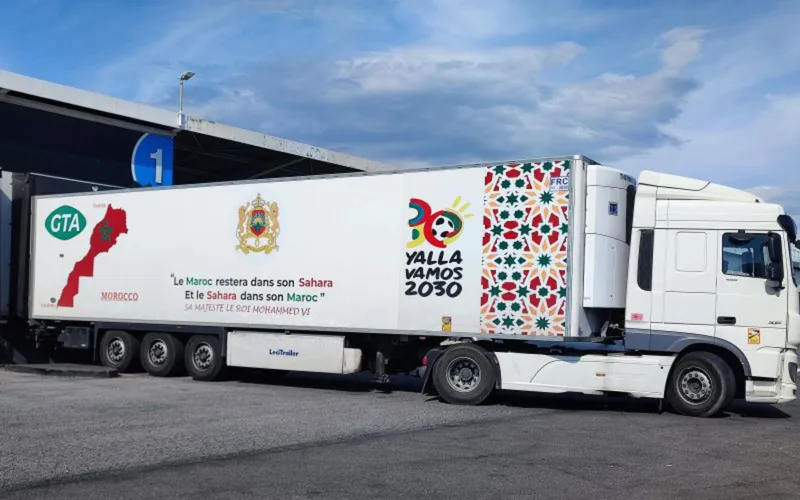
Producer federations are concerned about the expansion of the Euro-Mediterranean agreement of October 2025. This amendment now includes products from the Sahara in the preferential treatment granted to Morocco, while Rabat plans to increase its cultivated areas there by 1 000% to reach 13 000 hectares by 2030.
Producers are also denouncing labeling they consider opaque, facilitating the entry of Saharan goods under confusing regional designations. This process would make it possible to circumvent Community regulations, which normally require the country of origin to be clearly stated, thereby hiding the actual provenance of fruits and vegetables from consumers.
At the same time, voices are being raised against the European Commission’s lack of transparency. The COAG union claims that official statistics no longer reflect the reality of trade flows, denouncing the abnormal disappearance of import figures from official portals despite the still massive presence of Moroccan tomatoes on European market stalls.
On Bladi.net : article 119563
Faced with labor shortages and the ban on numerous pesticides, farmers in the four allied countries fear for the future of their sector. They are calling on Brussels to protect local production, weakened by this loss of competitiveness against its southern neighbor.