Moroccan Students Launch Nanosatellites to Study Climate Change
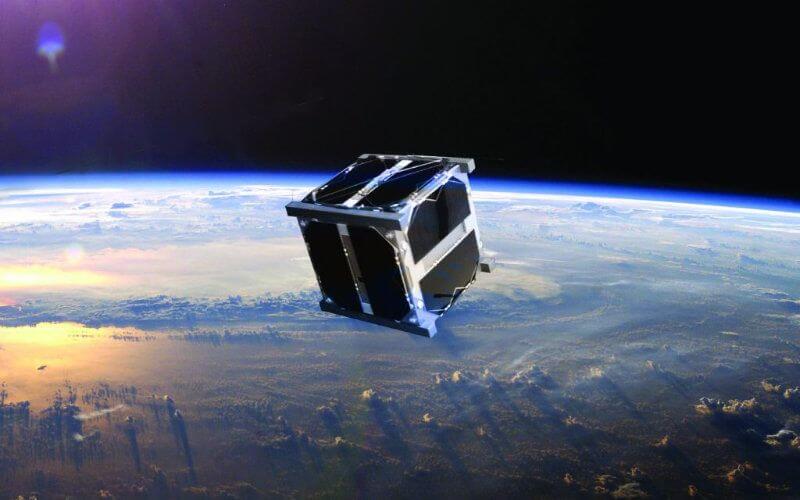
Students from the National School of Computer Science and Systems Analysis (ENSIAS) have succeeded in developing two nanosatellites, intended for the study of the atmosphere and climate change.
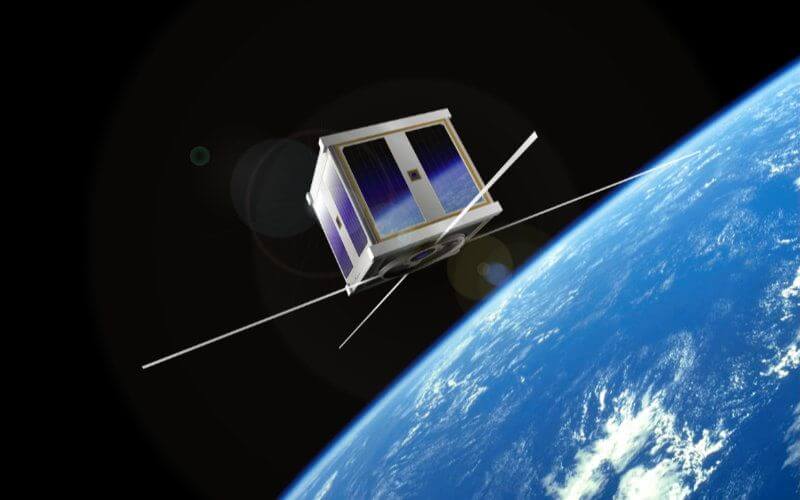
Like students from universities in India, Mexico and Great Britain, Moroccan students at ENSIAS, Mohammed V University in Rabat, and the Private University of Fez (UPF), have managed to set up two nanosatellites capable of analyzing the atmosphere and climate change, through a high-tech space capsule, reports the British Space Institute, KSF Space.
The capsule, which serves to protect the nanosatellites and other scientific components, is made from materials capable of withstanding pressure in space and the atmosphere, as well as sudden temperature changes, announced the director of the KSF Space Institute, Mohamed Kiyali.
Scheduled for May 2019, the launch of the capsule will be carried out in memory of the first Russian astronaut, Yuri Gagarin, with the help of an Indian space company.
Furthermore, the landing of the capsule will be recorded at a distance of 40 km from the surface of the Indian Ocean, and the data analysis will be carried out by all the participants from the various universities, in the presence of the International Federation of Green Technologies in the United States (IFGICT).