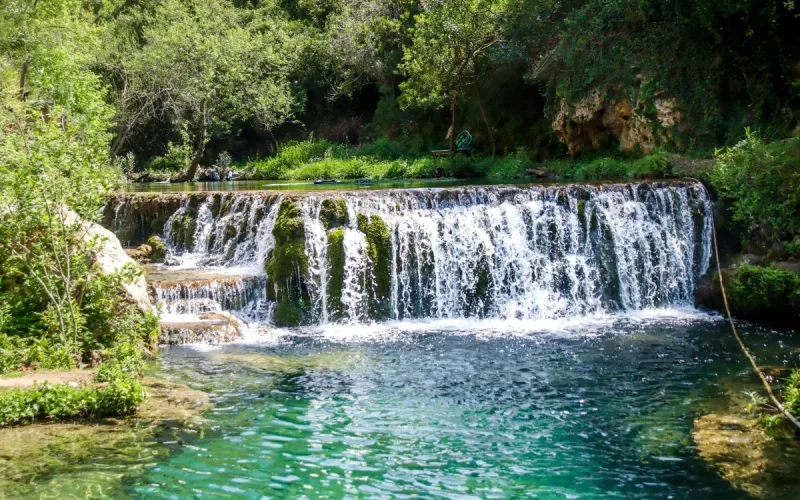
When the Moroccan Sahara was green
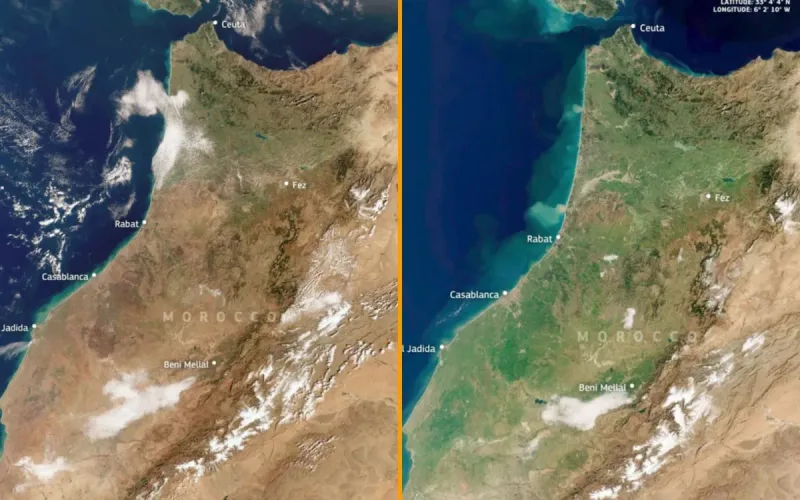
Scientists have found conclusive evidence of a humid past in southern Morocco, revealing that the Sahara has not always been a desert. Abundant rains have maintained a lush landscape there for millennia.
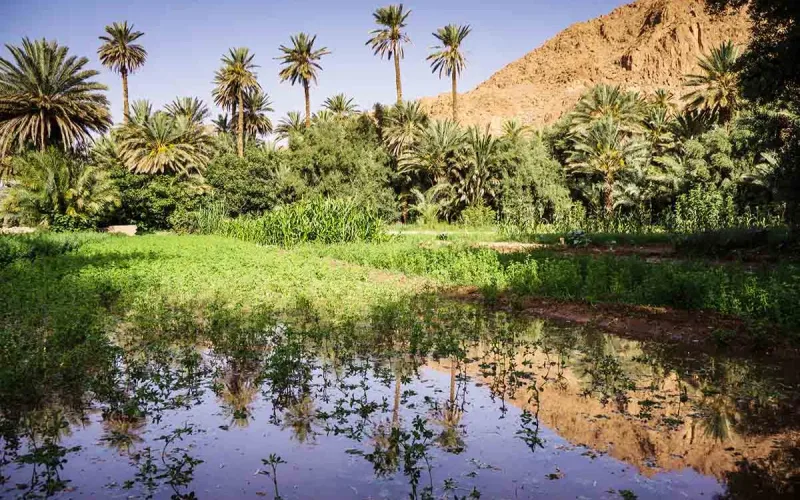
Rock formations in caves in southern Morocco have revealed the secrets of the region’s ancient climate. According to a study published in the journal Earth and Planetary Science Letters, this now arid area was once a humid and green territory fed by regular rains.
The analysis focused on stalagmites collected in the south of the Atlas mountain range. These structures function as true chemical archives, preserving the imprint of millennia-old precipitation. The researchers used uranium and thorium isotopes to date these formations with unprecedented precision.
The results indicate continuous growth of the stalagmites between 8,700 and 4,300 years ago. Researcher Sam Hollowood emphasizes the non-invasive nature of the method, which required samples of just 0.25 grams to reconstruct the prehistoric climate of an entire Moroccan region.
These favorable conditions directly impacted human populations. The abundance of water and pastures favored a significant increase in Neolithic settlements south of the Atlas, allowing herding communities to expand into territories that are now completely arid.
Researcher Julia Barrott explains that the humidity came from "tropical plumes", vast cloud masses acting as "rivers in the sky". These atmospheric formations managed to transport water vapor from distant tropical regions to this part of North Africa.