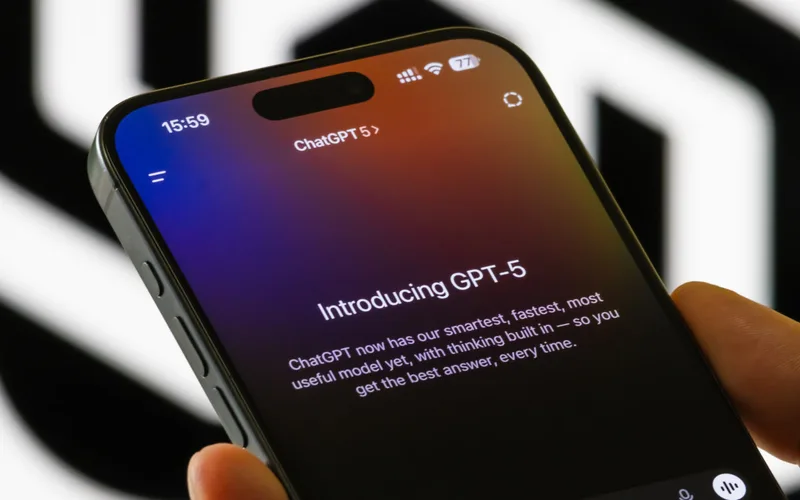
A Moroccan living abroad’s lawyer uses ChatGPT in court… it goes badly
The lawyer of a Moroccan in the Netherlands used ChatGPT to prepare his appeal before the courts. The problem: a large part of the case-law references produced by the tool were incorrect. The Hague court was not impressed.
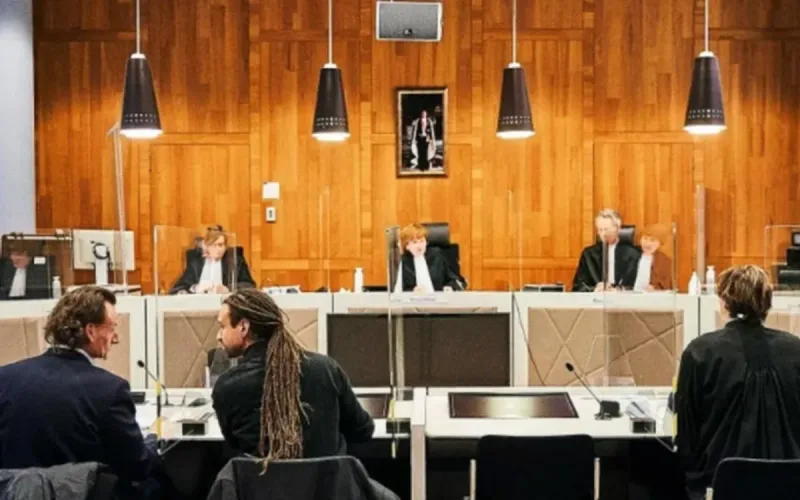
The case appears in a decision handed down on April 20, 2026, by the Hague court. A Moroccan national was challenging the rejection of his asylum application, and his lawyer had filed a twenty-page appeal in his defense.
On Bladi.net : OpenAI Unleashes ChatGPT Go Across Africa, Revolutionizing AI Access
But while preparing for the hearing, the Moroccan’s counsel realized a problem himself: the references to court decisions included in his appeal and obtained using ChatGPT were, for the most part, incorrect.
He then informed the court and asked it not to take this part of his argument into account.
The Dutch judiciary agreed to disregard the manifestly irrelevant references from the ninth page of the appeal onward. But the judges also made a point of reminding the lawyer of his responsibilities.
The court criticizes a waste of time
The court points out that this way of working forced the representative of the Dutch Ministry of Asylum and Migration to verify the decisions cited in order to be able to respond to them, if necessary, during the hearing. The judges’ work was also affected.
For the court, it is up to the party invoking case law to verify beforehand that it exists and, above all, that it actually applies to the case. Resorting to ChatGPT therefore does not exempt the lawyer from checking the information produced by artificial intelligence.
On Bladi.net : Morocco lawyer wins 330000 dirhams from State over mother’s death
The incident is not, however, presented as the reason for the rejection of the Moroccan’s application. On the merits, he was seeking asylum in the Netherlands, citing in particular the risks he said he would face if he returned to Morocco. The Dutch authorities had deemed part of his account insufficiently credible.