Meteorite Hunting in Morocco: How the Kingdom Has Become the Global Hub of a Lucrative Market
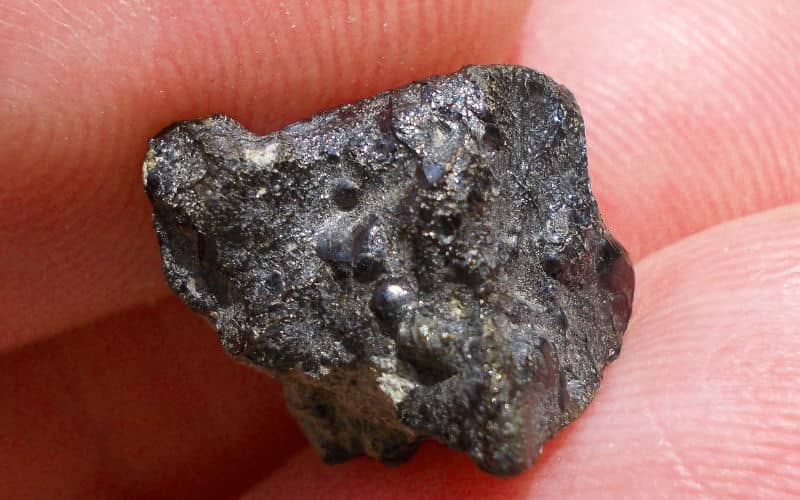
The desert plains of Morocco have become a prized hunting ground for a rare resource from space. The Kingdom has established itself over two decades as a global hub for the collection of meteorites, creating a dynamic but unregulated market that attracts both scientists and traffickers, as well as local hunters.
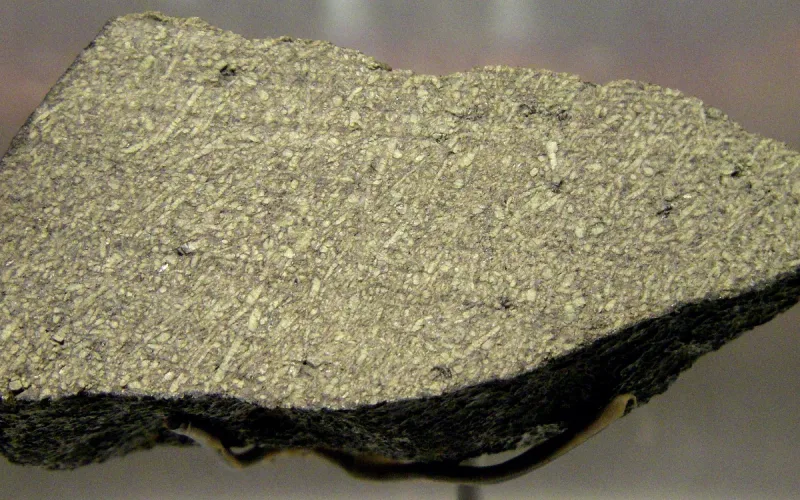
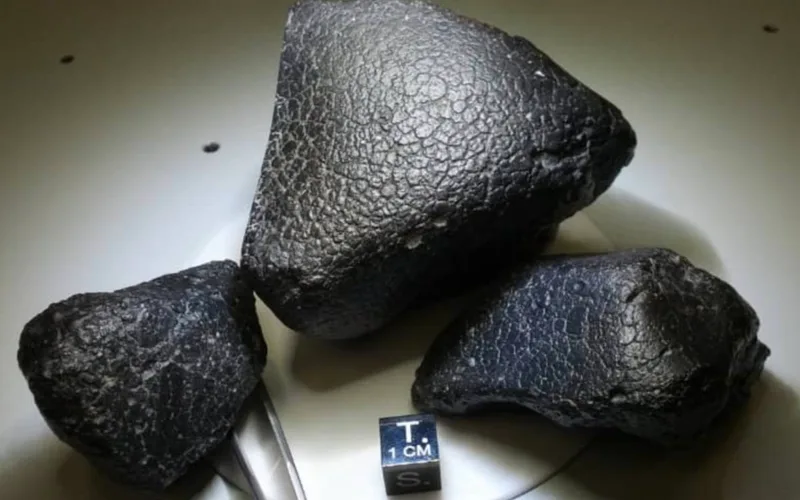
This "global hub" status is explained by several factors, writes Bloomberg. Morocco holds the record for the number of documented falls in the last twenty years, and the arid climate perfectly preserves the fragments. According to Hasnaa Chennaoui Aoudjehane, a professor of planetary science, nearly half of the scientific publications on the subject are based on pieces found in the country. This activity, once a "hobby," has transformed into a "real extractive activity," particularly since the highly publicized fall of a Martian meteorite in Tissint in 2011.
Unique Legislation for a Lucrative Market
Unlike its neighbors such as Algeria or Tunisia, which prohibit all exports, Morocco adopted unique legislation in 2020. This law, described as a "gold rush," legalizes exports, allowing licensed hunters to sell up to 90% of their finds, provided they declare them and leave a share for scientific archives. This regulation has even favored the emergence of specialized tourist expeditions, although scientists estimate that "the legal circuit captures only a small part of the actual trade."
The value of meteorites has exploded, with a gram of Martian rock now exceeding $1,000. For the inhabitants of the poor regions of the southeast, this hunt has become a vital source of income. "Apart from apples and meteorites, there’s not much else," summarizes a merchant from Midelt. The fall of a "fireball" in September has revived the prospecting. While legends of quick fortunes exist, the reality is often more modest, as local hunter Mohamed Benitjit confesses, whose best sale in fifteen years earned him 1,500 dirhams.