Agri-food: Morocco benefits from the decline of Spain to conquer American tables
Morocco is establishing itself as the new key supplier to the United States. While U.S. production is declining and Spain is retreating in the face of taxes, the Kingdom is capturing massive market shares in olives and citrus fruits, filling the food deficit of the world’s leading power.
The U.S. Department of Agriculture (USDA) is noting a major commercial mutation. Morocco is benefiting from the anti-dumping sanctions imposed on Spanish olives since 2019. The former Iberian leader sees its market share drop to 24%, a situation that directly benefits its competitors. The Kingdom, associated with Egypt and Portugal, now accounts for nearly 62% of the volumes imported by the United States for the 2024-2025 period. This configuration establishes the Moroccan olive oil industry as a central pillar of supply across the Atlantic.
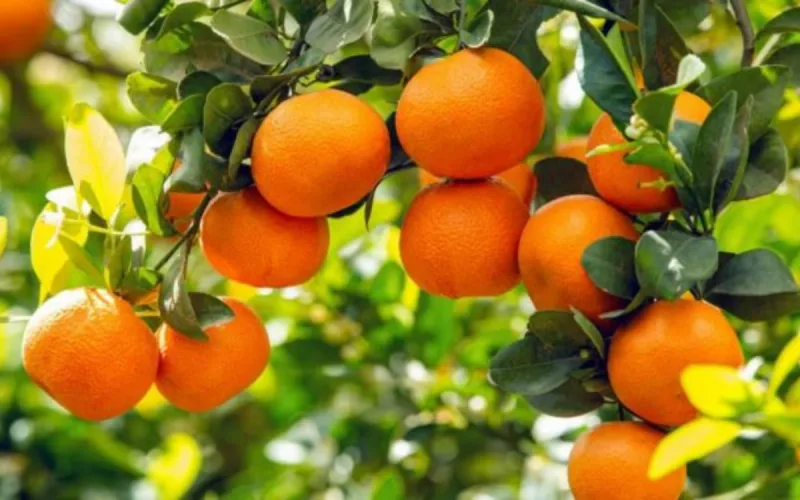
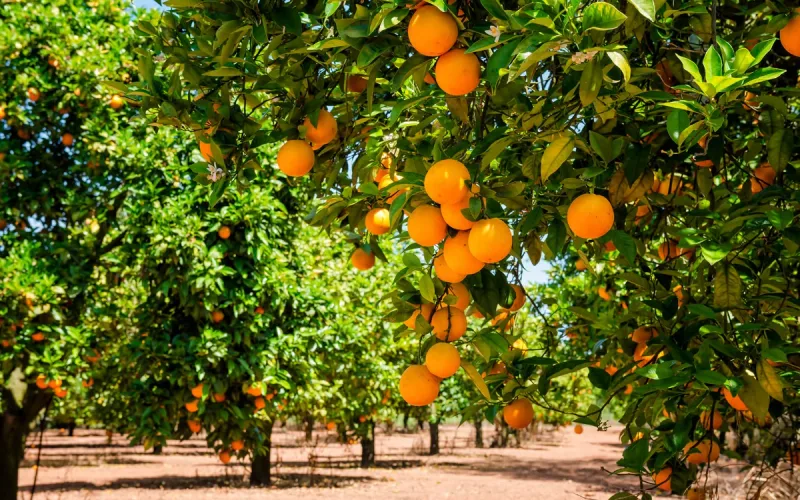
The dynamic is also being verified in the citrus fruit market. Morocco now accounts for about 30% of U.S. imports of clementines and mandarins, placing it at the same level as Chile and Peru. This performance meets a record local demand that American producers can no longer meet. California and Florida are bearing the full brunt of the effects of climate change and health pressures, forcing the United States to turn to foreign countries to ensure its consumption.
The USDA analysis also mentions Morocco’s presence in the table grape segment, confirming a diversification of the offer. The Kingdom is exploiting the structural weaknesses of American agriculture and the constraints affecting historical suppliers to place its fresh and processed products. This off-season and quality strategy makes it possible to meet the needs of a market demanding continuous availability throughout the year.