Desert Plunder: Morocco's Meteorite Black Market Threatens Scientific Heritage
The Moroccan scientific community is calling on the authorities to put an end to the trafficking of meteorites, which risks leading to the loss of a geological and scientific heritage.
For years, there has been a very active black market for meteorites in Morocco. The Sahara desert is one of the main areas in the world where meteorites are found, which has given rise to a network of local traffickers, intermediaries and foreign buyers involving collectors and traders. Most of these meteorites have been sold and exported illegally, without authorization, reports El Debate.
Nearly 70% of the inhabitants of Erfoud, a city located in the Sahara desert, live off this trafficking. "The meteorites belong to our country, to our history and constitute a precious heritage for our young generations," say Moroccan geologists who are calling on the authorities to implement new laws in order to put an end to this practice which they describe as "mafia-like".
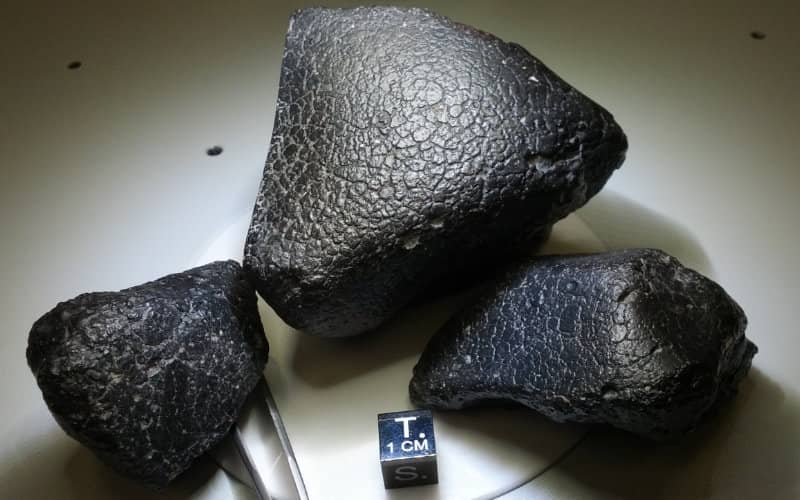
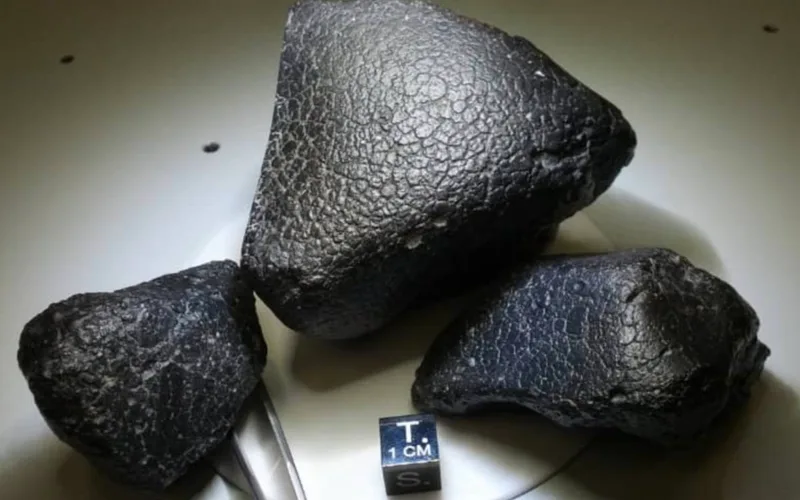
Morocco is considered the most active territory in the world in terms of research and sale of meteorites. Since 1999, the number of meteorites discovered in the kingdom is estimated at more than a thousand. One of the most remarkable is the Martian meteorite Tissint, which fell in 2011, and played a crucial role in the study of the chemistry and history of Mars.
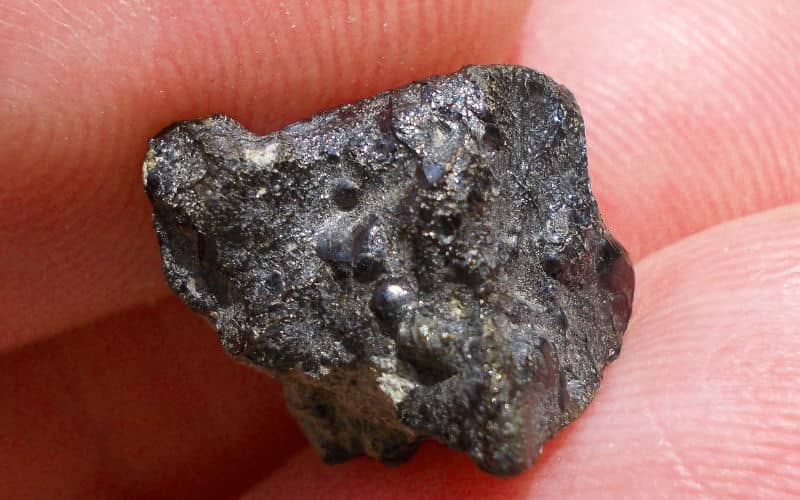
A meteorite was purchased by researcher Ben Hoefnagels in August 2018 from a merchant in Agadir, Morocco. Named "Northwest Africa 12264", this 50-gram meteorite could be essential for understanding the composition of the solar system. In 2011, a 320-gram meteorite, originating from Mars and nicknamed Black Beauty due to its color, was discovered in the Sahara desert.