London’s “Little Morocco” street ranks second among the world’s coolest
Golborne Road, where Moroccan cafés sit alongside Portuguese businesses and designer boutiques, has taken second place in Time Out’s 2026 global ranking. The magazine highlights this street in west London, at the heart of “Little Morocco.”
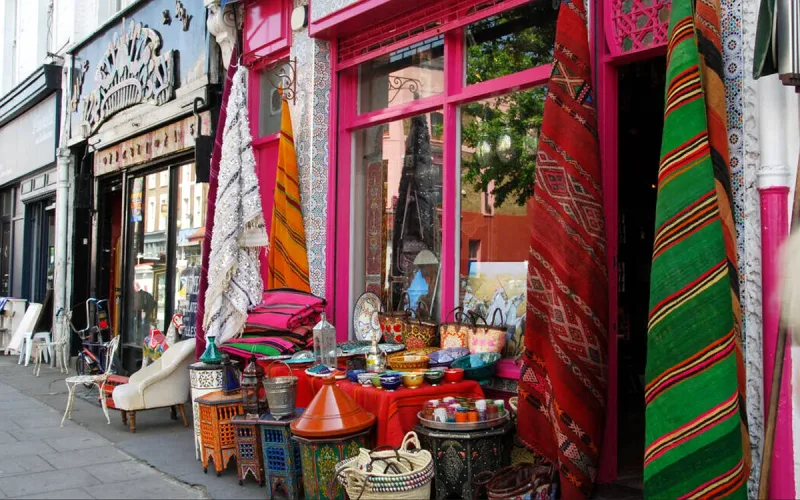
Only a street in Bangkok ranks higher. In its ranking published on Tuesday, November 17, Time Out places Golborne Road behind Song Wat Road and ahead of Fernández de Enciso, in Buenos Aires. The street, between Portobello Road and Kensal Road, is now the highest-ranked European street on the list.
To explain its choice, the magazine particularly highlights “Little Morocco,” an area marked by the presence of Moroccan, Portuguese and Middle Eastern cafés and restaurants. At the foot of the massive Trellick Tower, these popular establishments sit alongside independent businesses and newer venues.
Moroccan influence can also be found in Golborne Road’s market. The Portobello market website recommends its Moroccan-style grilled fish, among the antique stalls, vintage clothing and homeware shops.
A “Little Morocco” shaped by immigration
The street’s history goes back well before tourist rankings. In a publication about the neighbourhood, Historic England notes that arrivals in the 1960s and 1970s led several communities to settle there, notably Moroccan, Portuguese and Spanish communities. The body responsible for England’s heritage directly links the nickname “Little Morocco” to the number of Moroccan residents and businesses.
At the other end of the street, Time Out describes a more upscale offering, with designer boutiques and new cafés. Second-hand fashion also has a significant presence: Rellik, named in the selection, has been selling designer pieces since 1999.
The ranking features 28 streets in as many cities. Time Out’s local correspondents and experts put forward their picks, which the editorial team then assessed according to several criteria: dining, shopping, nightlife, street life, local life and the distinctiveness of independent businesses.