When the "Like" replaces the Fatwa: the new religion of young Moroccans
The era of the untouchable "Fqih" is over. A Moroccan university study reveals that religious authority in the Kingdom has mutated, moving from the traditional hierarchy to a "negotiated" relationship on social networks. At the heart of this transformation is the preacher Yassine El Amri, a figurehead of a digital Islam where the "Like" replaces allegiance.
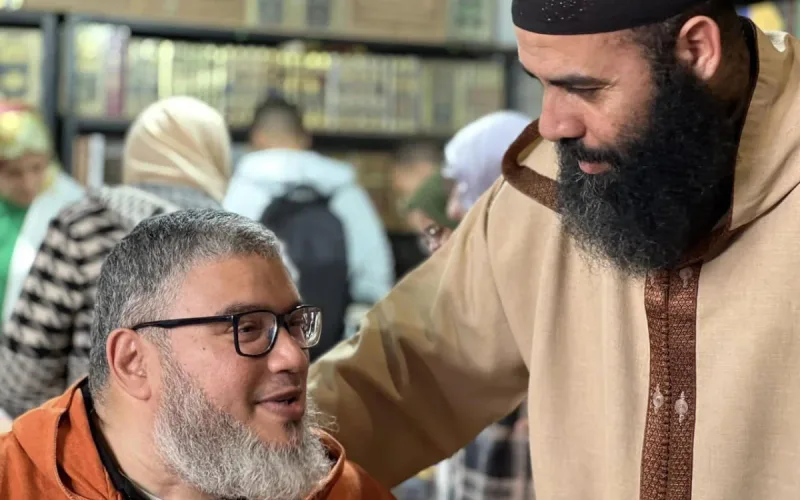
Published in the Siyassat Arabiya journal, this research conducted by Nadia Elalia, from the Moulay Ismaïl University of Meknès, has scrutinized the interactions on the page of the very popular Yassine El Amri for three months. The finding is clear: the vertical relationship between the scholar and the believer is crumbling. Religious authority no longer rests solely on theological knowledge or the traditional institution, but now submits to an "implicit negotiation" imposed by the codes of Facebook. The most followed religious influencer in the sample (21 participants out of 80) embodies this new reality where the audience holds a share of the power.
The study identifies two types of believers in this "digital Zawiya". The first group perpetuates the tradition: it sacralizes the influencer and defends him tooth and nail, as we saw during the controversy over the "Al Maktoub" series, where El Amri’s subscribers rallied behind his criticisms. For them, the relationship remains that of the master to the disciple. The second group, more modern, desacralizes the discourse. These Internet users maintain a critical distance, not hesitating to debate or challenge the preacher’s words, transforming religious authority into an object of relative discussion.
Beyond the influential figures, it is the very use of religion online that is evolving. While 73% of respondents follow a religious influencer, more than 90% consider social networks as a shield to defend Islam. Viral hashtags and standardized profile pictures have become the preferred weapons of this youth to respond to attacks on the sacred. Paradoxically, the search for "Fatwa" online remains marginal (7.5%), proving that while militancy has become digital, the quest for jurisprudence still retains its traditional channels or struggles to impose itself virtually.