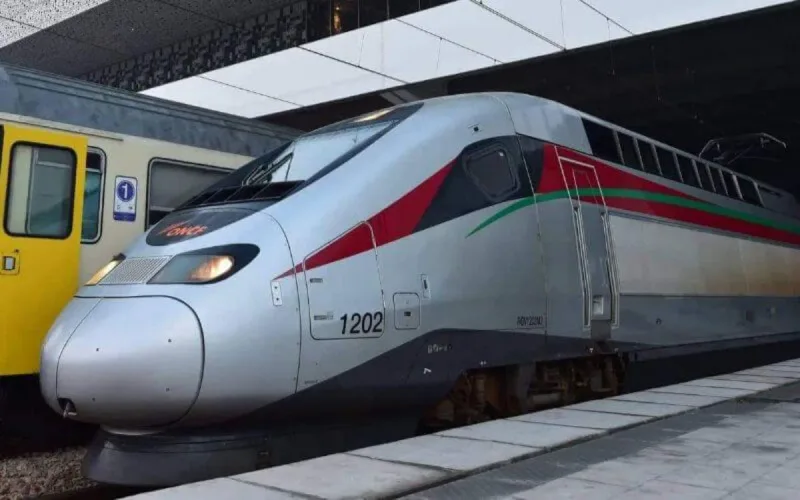
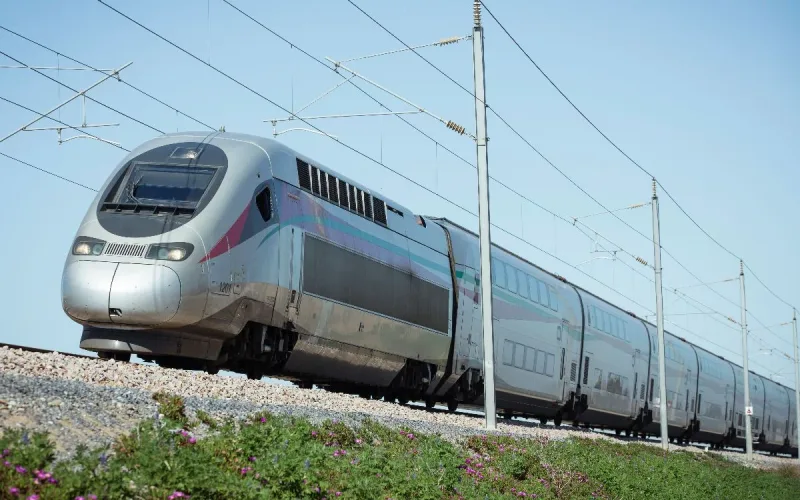
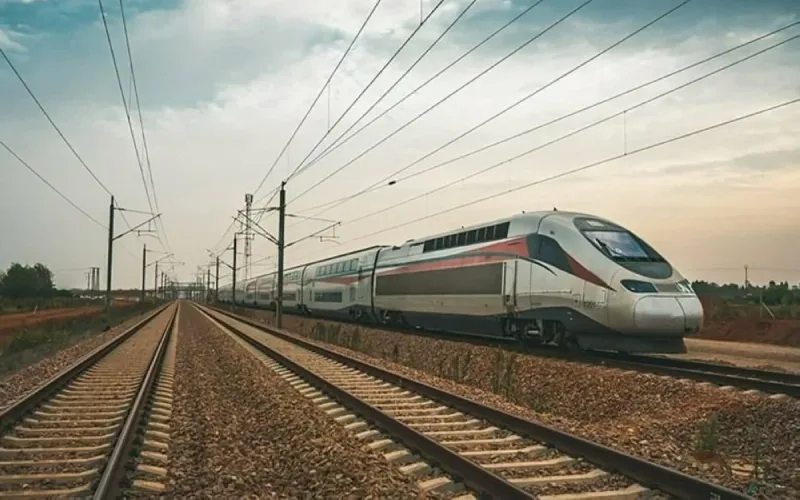
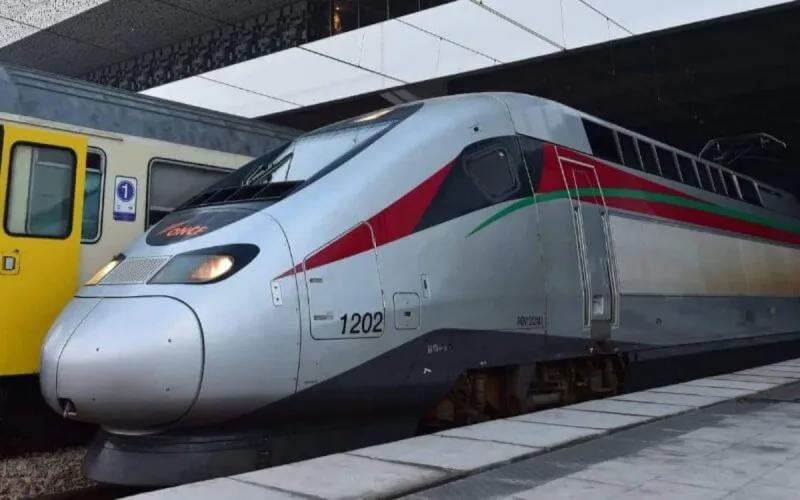
The Kénitra-Marrakech TGV enters a concrete phase: the expropriation route revealed
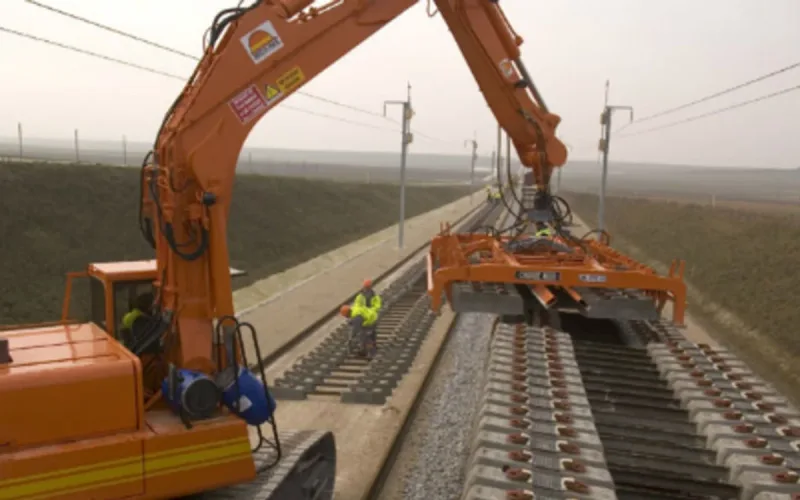
The project of the high-speed train (TGV) connecting Kénitra to Marrakech has just reached a crucial administrative stage. The publication of several expropriation decrees in the latest Official Bulletin marks the entry of the project into its concrete implementation phase, triggering the land acquisition procedures along its route.
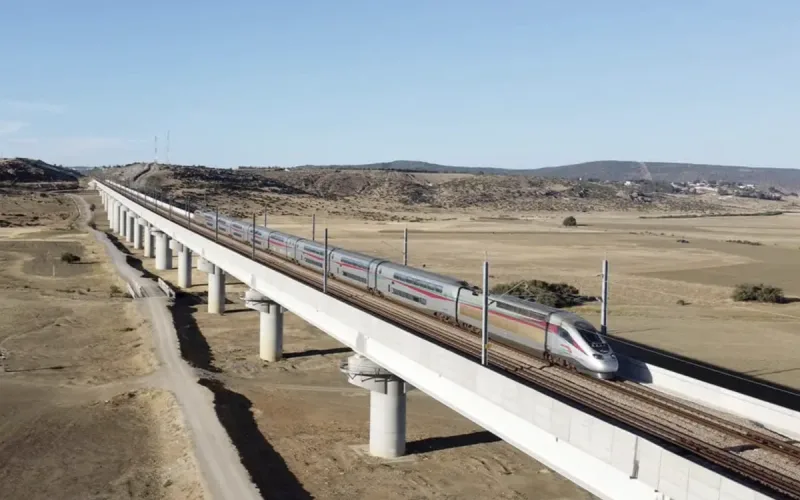
These decrees, issued by the Ministry of Transport and Logistics, concern land located in several key areas, including Rabat–Agdal/Riad, Mohammedia, Skhirat, Témara, the province of Mediouna and the Guéliz district in Marrakech. This project represents a major investment, estimated at 53 billion dirhams for the main line, out of a total cost of 96 billion including the purchase of new trains and the modernization of the existing network.
The strategic objective is to connect the industrial hub of the North (Tangier and Kénitra) to the economic hub of the South (Casablanca and Marrakech) to improve circulation and create an integrated economic space. The financing is based on a broad partnership including the State, ONCF, international funds (French, European, Arab) and the contribution of local authorities, like the Casablanca-Settat region which has allocated a budget of 1.6 billion dirhams.
The project also aims to improve the travel conditions of citizens. In addition to reducing travel time, it will offer new employment opportunities and access to services. Medium-sized cities like Mohammedia and Tamesna will benefit from modern stations. The expropriation procedure has been qualified as "public utility", guaranteeing the persons concerned a right to "fair and prior" compensation, a 15-day period to consult the plans, and a right of appeal to the administrative court.
A project focused on sustainability and green energy
Beyond the infrastructure, this TGV project is distinguished by its environmental commitment. The train will run on clean electricity, with an increasing dependence on locally produced renewable energy, particularly wind and solar.
ONCF has integrated this line into its "ONCF Eco-Mobility" initiative. The objective is to operate the national network with more than 50% of green electricity by 2026. This ambition will make the "Al Boraq Kénitra–Marrakech" high-speed line the first in Africa to run entirely on renewable energy.
The technical studies have also taken into account the direct impact of the works. Concrete environmental measures are planned, such as the installation of noise barriers in residential areas to reduce noise pollution, the adoption of ecological construction standards and the conduct of impact studies to ensure the protection of biodiversity.