Housing: Why it's becoming so difficult to become a homeowner in Morocco
The real estate market in Morocco is making a 180-degree turn. The era of giant villas is over, making way for functional apartments and liquidity. In 2026, demand will explode for small spaces, driven by a direct assistance scheme that attracts ten times more clients than available properties.
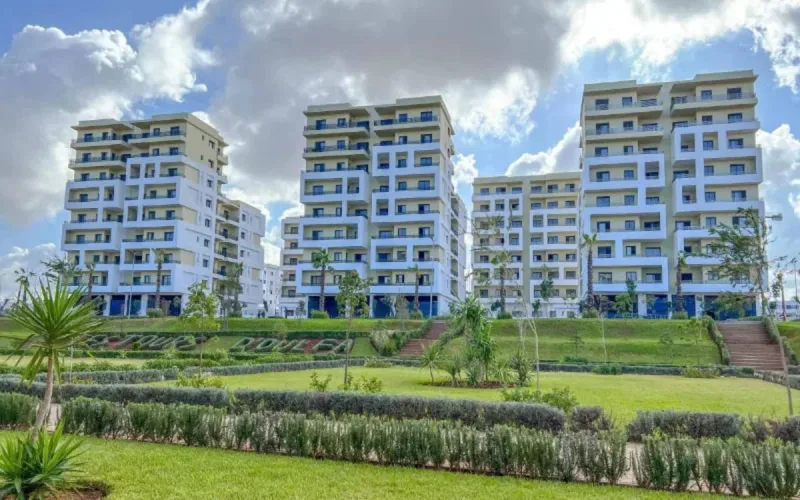
The annual report presented by the Mubawab platform reveals a market undergoing a major transformation, where demand has shown resilience despite an increasingly constrained supply. This transition, dictated by the investment capacity of households, is shaping a more mature sector that is preparing for a 2026 marked by efficiency and adaptation to economic realities.
A persistent imbalance between supply and demand
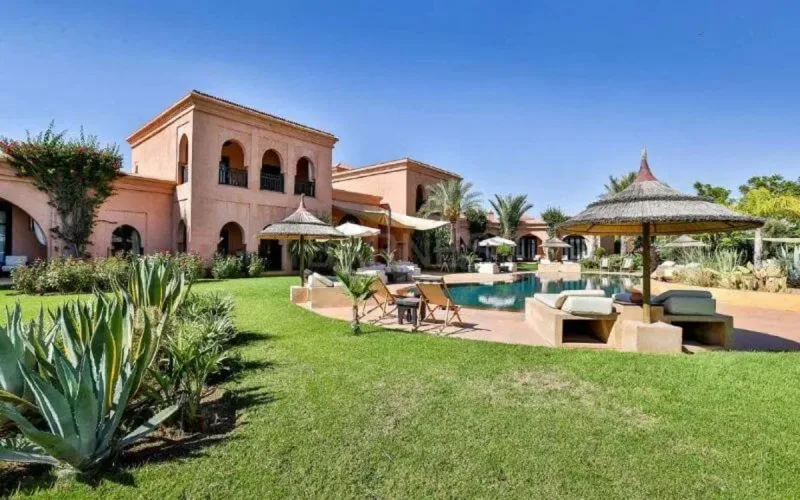
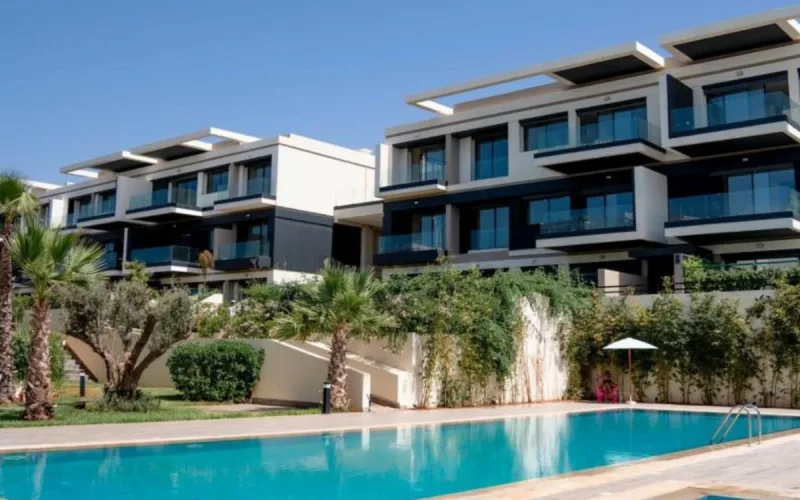
The real estate sales segment was marked by growing tension throughout the 2025 fiscal year. While overall demand increased by 5.45%, supply fell by 3.12%, creating a particularly visible scissor effect in the apartment segment. The latter saw its volume of listings drop by more than 8%, even as it continues to monopolize attention by capturing 65% of purchase intentions. The market is gradually turning away from villas, which now represent only 13% of demand, to focus on more accessible properties. This quest for functionality largely benefits two-bedroom apartments, which have become the reference configuration for nearly half of domestic buyers.
The hierarchy of prices and poles of attraction
The real estate geography of the Kingdom remains dominated by the major metropolises, although each is going through a different phase of its development cycle. Rabat maintains its status as the most expensive city in the country, driven by the very high standing of neighborhoods like Souissi where prices are soaring. Casablanca, for its part, maintains its position as the economic hub, but sees its attractiveness massively shift towards its peripheral extensions, with Dar Bouazza becoming the new bastion of demand for high-end villas.
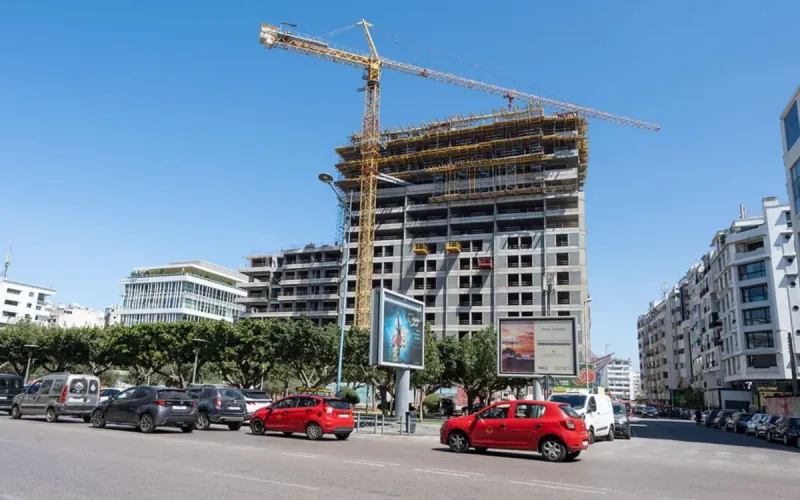
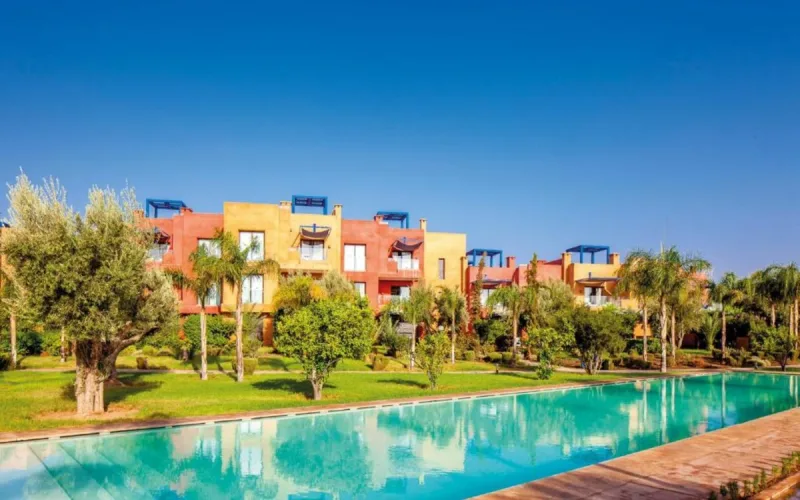
One of the highlights of 2025 remains the resounding success of the direct housing assistance scheme. By primarily targeting properties under 700,000 dirhams, the government has triggered a massive influx of demand. There are now ten times more applicants than eligible apartments available on the market. This unprecedented pressure is stimulating new construction at the expense of existing stock, as the assistance is conditional on the acquisition of new housing with a recent occupancy permit. To meet this thirst for housing, the public group Al Omrane plans a spectacular increase in its production, with nearly 36,000 units scheduled for 2026 and more than 59,000 for 2027.
Towards a more mature market in 2026
By 2026, the Moroccan real estate market should continue its transformation towards a model more aligned with the real economic capacities of citizens. The dominance of small spaces (50 to 80 m²) and the rise of long-term rentals indicate a professionalization of uses and an increased search for profitability. Although the transaction cycle retains a certain seasonality, with peaks of activity expected in the spring and during the summer, the sector is now anchored in a logic of pragmatism where the liquidity of the property becomes the priority choice criterion for households and investors.