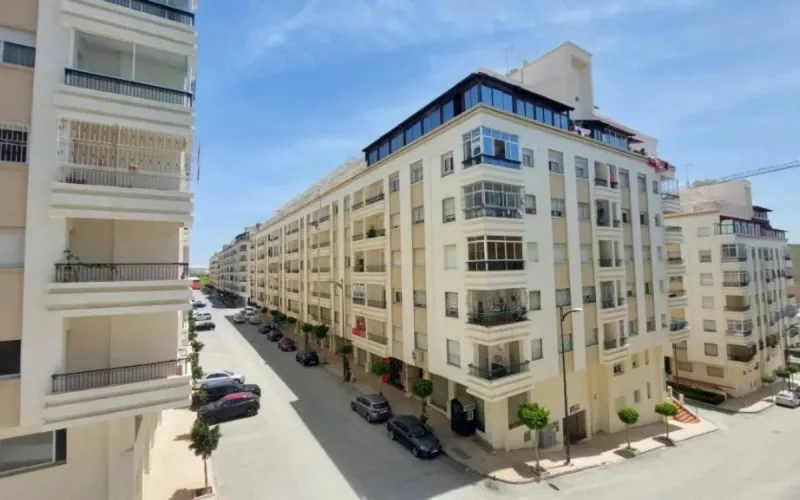
Housing in Morocco: The crazy paradox of a shortage in the midst of millions of empty homes
With nearly 30% of the urban housing stock unoccupied or used as a second home, Morocco is facing a major structural divide. Despite a persistent deficit of 330,000 homes, the current supply is struggling to meet the real solvency of households, trapped by real estate investment strategies and a regulatory framework considered deterrent to rental.
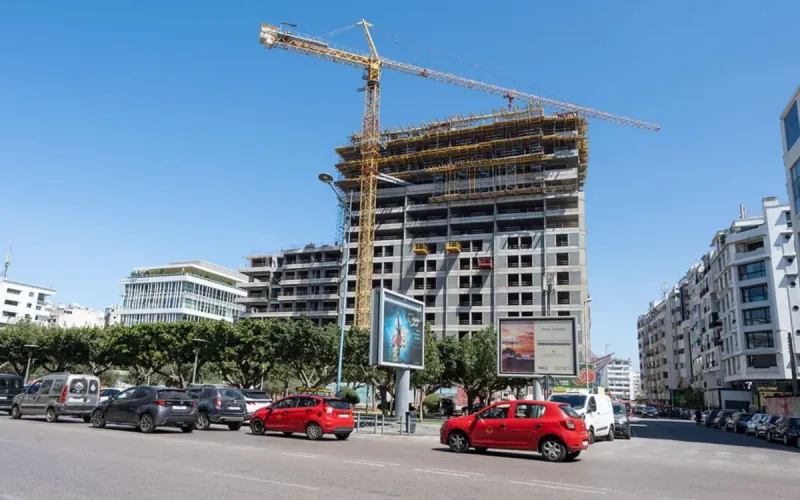
The national real estate market is going through a paradoxical crisis where the abundance of bricks does not solve the shortage of roofs. According to data from the High Commission for Planning, cited by Chellenge, the country has about 2.4 million vacant or secondary homes, a figure that highlights the failure of current production to align with the purchasing power of citizens. For Nawfal Bellakhdar, co-founder of Akare.ma, this situation results from a historical targeting of developers towards two extremes: social housing, boosted by tax advantages, and high-end housing intended for a financial elite. Between these two poles, the "middle-range" segment remains the great forgotten, leaving many households unable to realize their acquisition projects.
This disconnect is exacerbated by the very function of real estate, perceived as the safest investment for households. In twenty years, the number of second homes has exploded, from 200,000 to nearly 1.3 million units. Real estate remains the ultimate safe haven, capturing the bulk of savings to the detriment of a rental market placement. In many cases, housing initially acquired under the economic housing scheme ends up becoming dormant assets as soon as the financial situation of the owners improves, the latter preferring to keep their property out of the commercial circuit rather than renting it out.
The main lock on this real estate vacancy, however, lies in a legal framework perceived as unbalanced. Many owners, stung by difficult rental experiences, choose to leave their properties locked up for fear of not being able to recover their capital or to face defaulting tenants protected by a law considered too unilateral. This defensive behavior removes a considerable stock of housing from the market, particularly in large cities like Casablanca or Tanger, where the pressure on second-hand prices makes home ownership almost impossible for first-time buyers.
To unlock this systemic situation, experts recommend a comprehensive overhaul of the real estate approach in Morocco. It is imperative to encourage production in urban areas with equipment and transportation, while reforming rental legislation to restore the confidence of landlords. The challenge is to transform these millions of unused square meters into a rental or accessible offer, so that real estate construction finally regains its primary social function: housing Moroccan families in line with their economic reality.