More Housework, Less Sport: The Paradox Measured Among Women in Casablanca
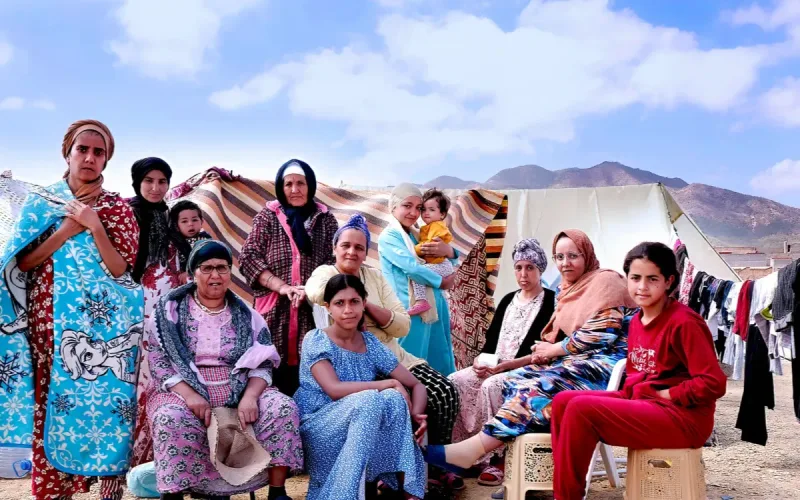
In a study of 300 adults in Casablanca, nearly one in three female participants was classified as physically inactive, compared with fewer than one in six men. Yet the women surveyed reported spending more time on housework and childcare.
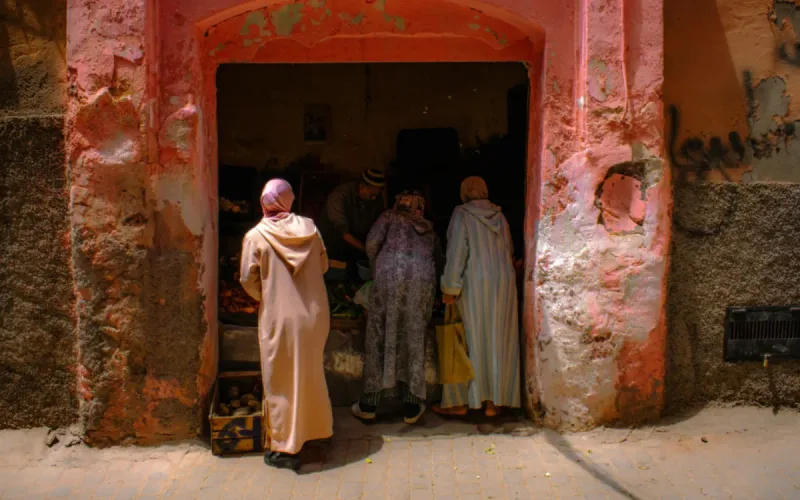
The study published on September 23 in the Journal of Public Health is based on interviews and measurements conducted in 2025 with 170 women and 130 men recruited from healthcare centers in Casablanca. The researchers compared their daily activities, sporting activities during leisure time, and several indicators related to excess body fat.
On Bladi.net : Moroccan Women Face Increased Domestic Workload Amid COVID-19 Challenges, Study Finds
The responses reveal an unequal distribution of activities. Women more often reported taking care of the housework and children. They were also more likely not to do any exercise during their leisure time and not to ride bicycles. At work, however, the researchers found no significant difference in physical activity between women and men.
Housework Does Not Erase the Physical Activity Gap
The questionnaire distinguished domestic tasks from exercise undertaken during leisure time. Once the responses were incorporated into the activity index used in the study, nearly one-third of the women fell into the “inactive” category, compared with fewer than one-sixth of the men.
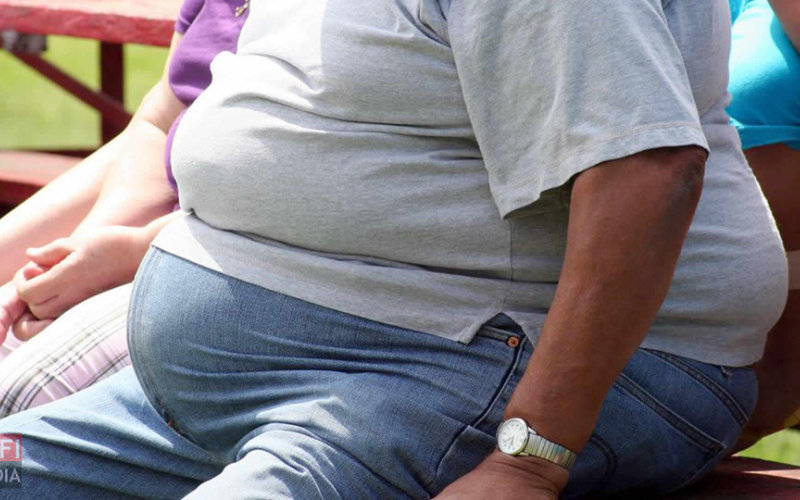
The researchers also measured the participants’ height, weight, and waist circumference. In this sample, obesity was about three times more common among women. They were also about three times more likely to belong to the category with a “very high” waist circumference, an indicator used to assess the risks associated with abdominal fat.
However, the result requires careful interpretation: the average body mass index did not differ significantly between the two groups. It was notably the distribution of participants across the obesity and waist-circumference categories that revealed the gap.
On Bladi.net : Obesity Crisis Grips Morocco: 1 in 7 Adults at Risk by 2025, Urban Areas Hit Hardest
These figures describe the people surveyed, not all women living in Casablanca. The participants were recruited from healthcare centers, without representative sampling, and their physical activity was self-reported through a questionnaire. The study also cannot establish that domestic responsibilities cause inactivity or obesity.
Nevertheless, it highlights a disparity in this sample: among the women surveyed, greater involvement in household tasks went hand in hand with less sporting activity during leisure time and a higher proportion of people classified as inactive.