HIMARS, Apache, drones: Swedish report describes Morocco’s military advantage in the Sahara
Commissioned by the Swedish Ministry of Defence, a FOI report finds that Morocco now has a “clear military and political advantage” in the Sahara. HIMARS, Apaches and drones have strengthened its capabilities against a Polisario judged incapable of dislodging it by force.
Published on 17 June 2026, the report by the Swedish Defence Research Agency (FOI) devotes 92 pages to the Sahara conflict and its main actors. Its author, Aron Lund, notably analyzes the military situation in 2026 and possible scenarios for the next ten years.
The document currently describes low-intensity hostilities that are difficult to assess due to a lack of reliable information. The Polisario regularly carries out rocket attacks against fixed positions, but its announcements reporting heavy Moroccan losses appear “exaggerated” in the author’s view.
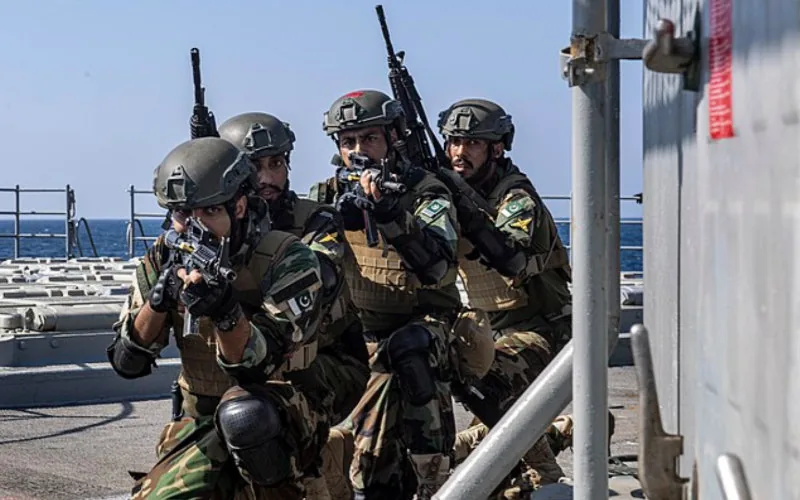
On the other side, the Royal Armed Forces have personnel and resources on an entirely different scale. The report estimates Morocco’s standing army at 175 000 military personnel, to which would be added 50 000 members of the gendarmerie and paramilitary forces, as well as approximately 150 000 reservists.
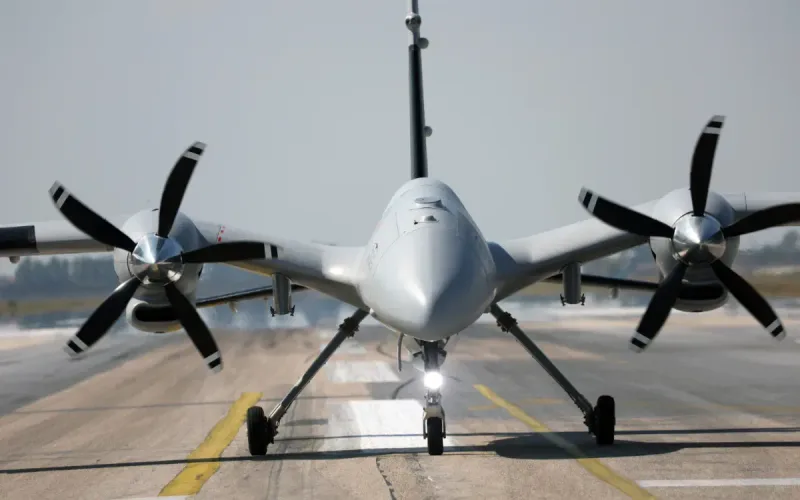
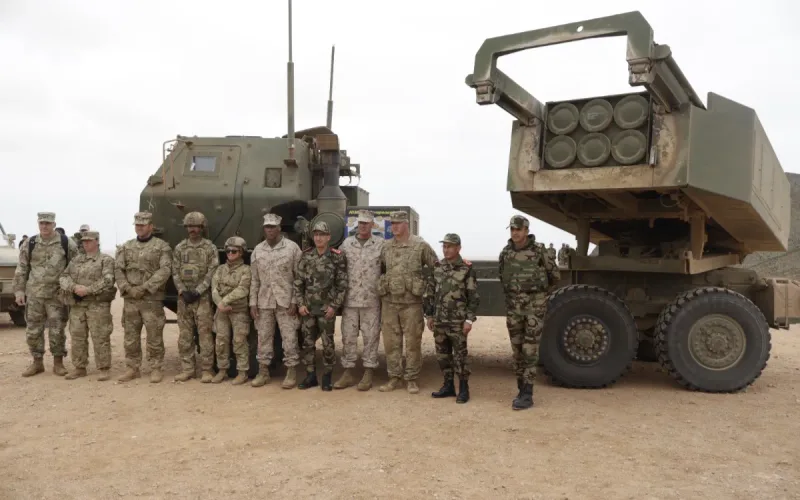
The modernization undertaken over several years has strengthened this advantage. The FOI cites the American M142 HIMARS systems acquired by Morocco, AH-64 Apache attack helicopters, Turkish Bayraktar Akinci drones, the Israeli Barak MX anti-aircraft system and SpyX loitering munitions.
On Bladi.net : The Moroccan army activates its "iron dome" of the desert
According to Sipri data cited in the report, 64% of Morocco’s arms imports between 2020 and 2024 came from the United States, compared with 15% from France and 11% from Israel. The FOI also highlights the kingdom’s close military ties with Washington, as well as its cooperation with France, Israel and NATO.
The Polisario judged too weak to dislodge Morocco
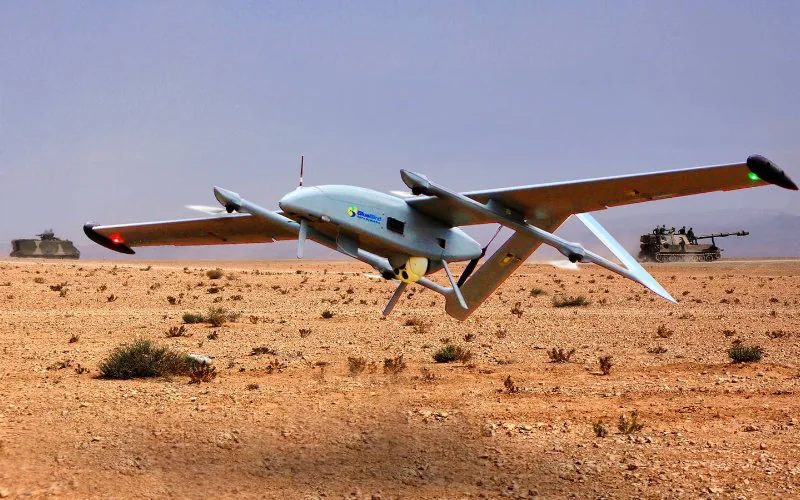
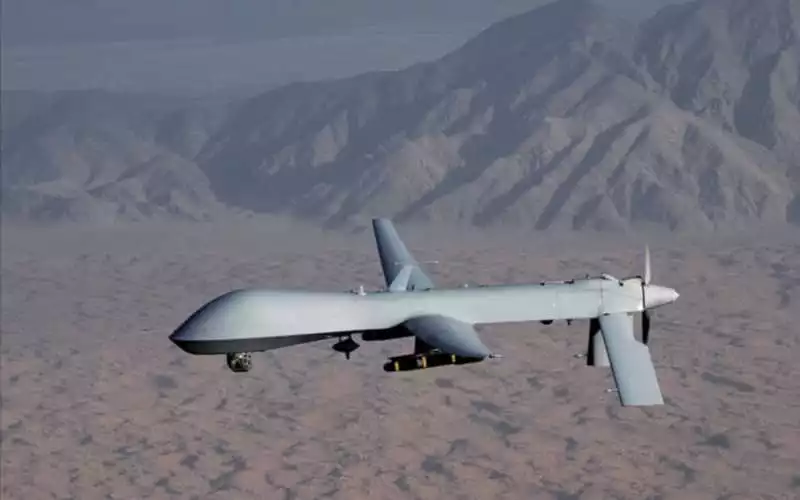
Drones occupy a central place in this new balance of power. Morocco uses them to monitor vast desert areas and strike targets from a distance, which greatly reduces the guerrilla’s freedom of movement. Moroccan drones have thus profoundly changed the rules of the conflict in the Sahara.
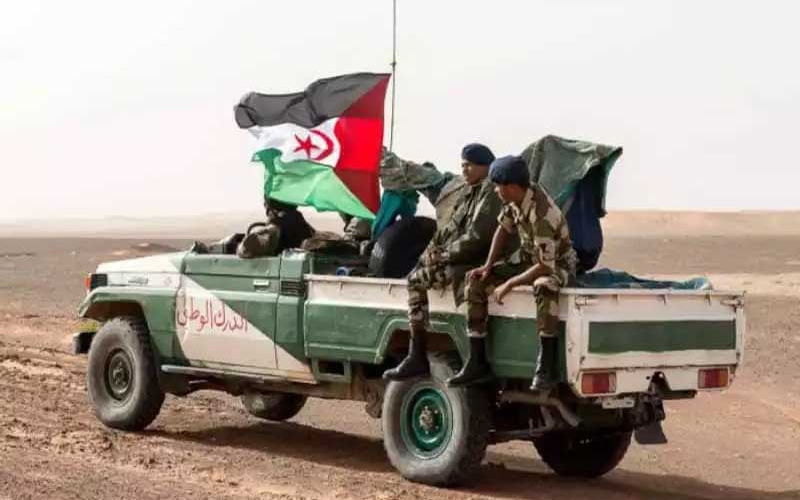
The Polisario’s exact capabilities remain much more difficult to establish. The FOI estimates that its forces could number a few thousand men, with no certain figure. They would mainly possess tanks, artillery pieces, rocket launchers and older anti-aircraft systems, originating for the most part from Soviet deliveries to Algeria and Libya between the 1960s and 1980s.
On Bladi.net : Morocco Military Superiority Polisario Front Conflict
For the author, the conclusion is unequivocal: the Polisario is “far too weak” to militarily force Morocco to leave the Sahara. At best, its guerrilla campaign could serve as a means of exerting pressure or draw international political attention. The report finds that it is currently achieving neither of these two objectives.
This Moroccan superiority does not, however, eliminate the risks of escalation. Algeria could decide to quickly provide the Polisario with more modern weapons, particularly drones or anti-aircraft missiles, or even discreetly support it with already trained personnel. Rabat could, for its part, act more offensively east of the defence wall and establish new positions there.
The FOI therefore considers that the two sides are probably not using their full military potential. But under the current configuration, Morocco’s drones, new artillery systems and military alliances enable it to control the terrain without suffering losses likely to alter the balance of power.
This advantage does not guarantee a rapid political solution. The report judges that the most likely scenario remains an unresolved conflict ten years from now, but with Moroccan control further strengthened and increasingly accepted internationally.