France Wants Moroccan Seasonal Workers to Return Home
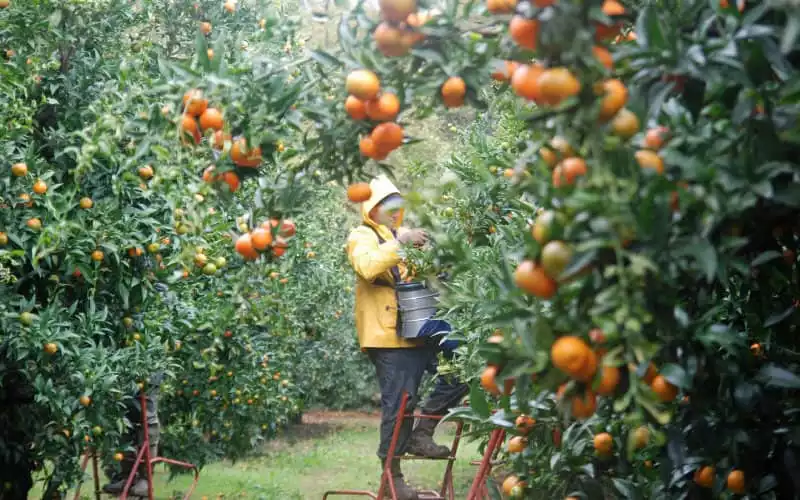
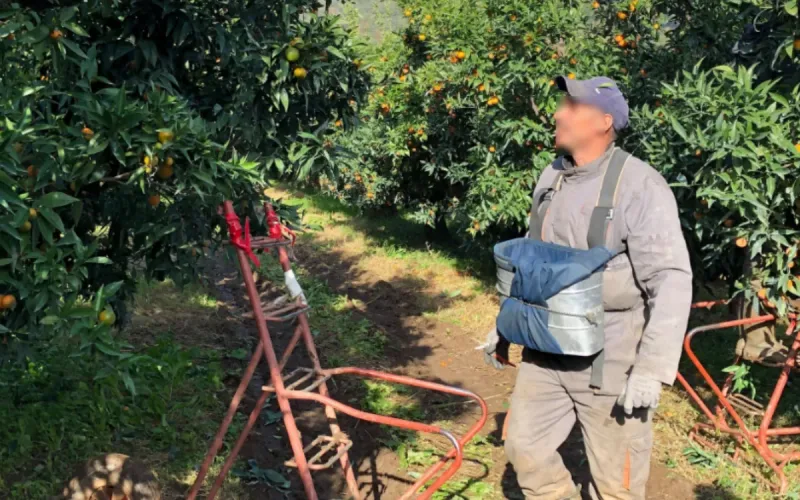
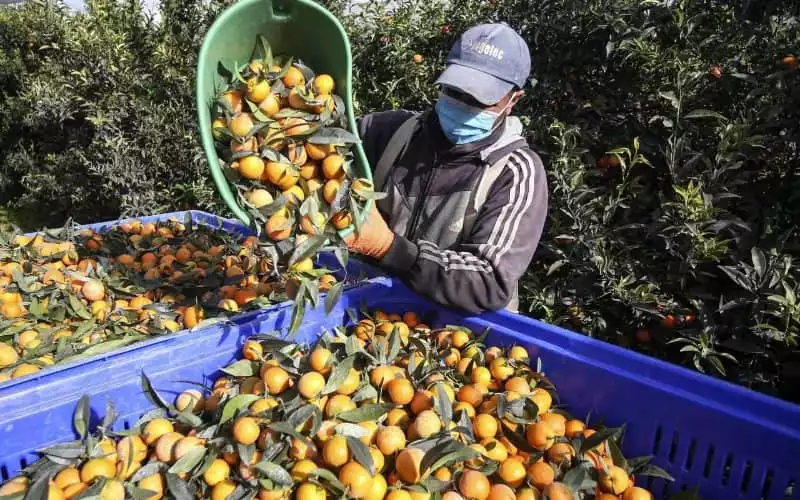
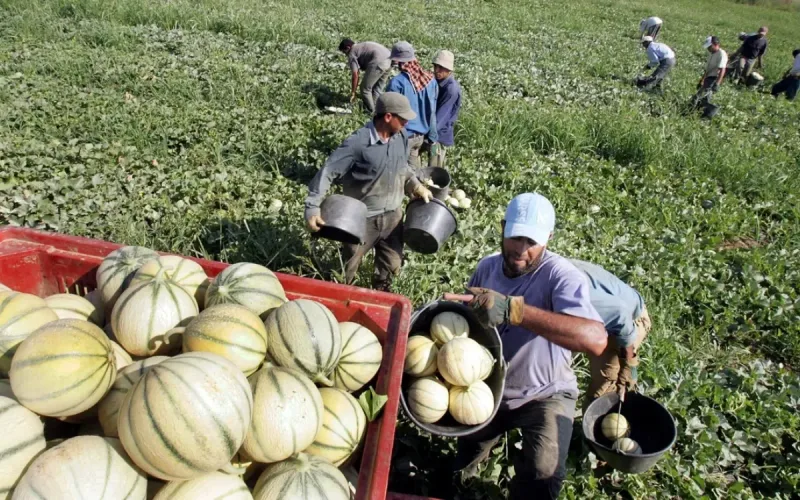
To meet labor needs while avoiding permanent settlement, Paris is rolling out a circular migration scheme. This project aims to structure the arrival of Moroccan agricultural workers and ensure their return after their assignment.
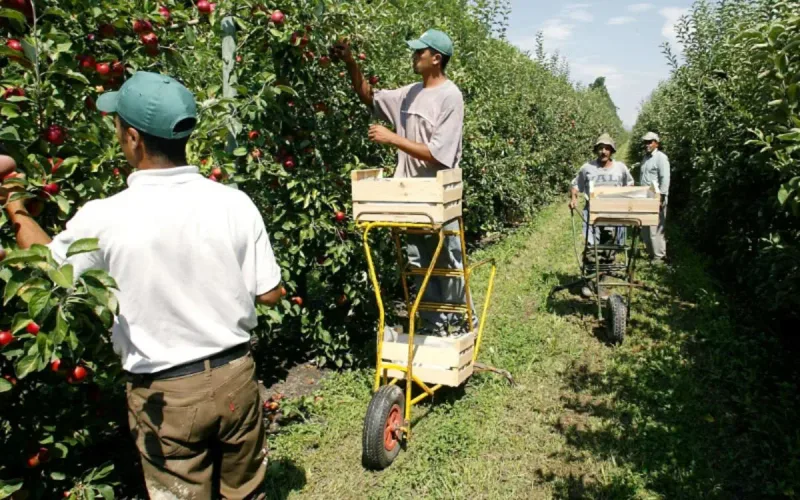
Presented on April 9 in Rabat, this program funded at 4 million euros targets 500 Moroccans in its initial phase. They will obtain contracts in agriculture and hospitality in France. To achieve this, Paris is modeling its strategy on Spain, which employs nearly 10,000 workers annually on the same circularity principle.
On Bladi.net : France and Morocco Sign Agreement to Boost Seasonal Farm Worker Recruitment
This quota of 500 people seems modest compared to the reality of current flows. According to data reported by Le Monde, the number of seasonal workers rose from 9,000 in 2019 to 16,000 in 2024. In the same period, the return rate to Morocco has dropped sharply, falling from 93% to 80%.
This concerning decline is explained by the abuses of a recruitment system delegated to the private sector. Ahmed Chtaibat, director of the French Office of Immigration and Integration in Morocco, denounces the actions of ill-intentioned intermediaries. "Agricultural seasonal contracts are being sold as an opportunity for long-term migration to the Schengen area," he warns.
To curb these abuses, France now wants to revise its selection criteria. Recruiters will prioritize rural profiles with strong family ties in their country of origin. This condition is considered the best guarantee to ensure that workers will return home at the end of the harvest.
To encourage these returns, the Thamm Plus project provides concrete incentive measures. Beneficiaries will be offered training and support for professional integration in Morocco, where unemployment affects 13% of the population. Local authorities will also be called upon to oversee the selection and monitoring of candidates.
On Bladi.net : France: Moroccan Workers Paid 10,000 Euros to Work
This managed migration mechanism will extend to other sectors under strain, such as healthcare professions. The approach is not limited to Morocco either. Didier Leschi, director general of the OFII, confirms that the Tunisian program will expand from 500 to 2,500 beneficiaries for the 2026-2030 period.