Corsica: Why the island's economy can no longer do without Moroccans
A recent study by INSEE highlights the crucial role of foreign immigration in supporting Corsica’s economy. Among these indispensable workers, often recruited to make up for labor shortages in certain sectors, Moroccan nationals occupy a prominent place.
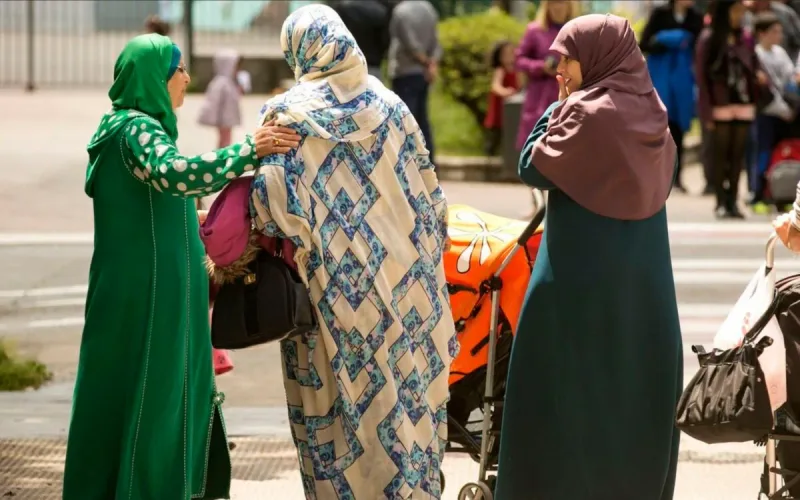
Published in the aftermath of the municipal elections to avoid inflaming the debates, the study by the National Institute of Statistics and Economic Studies (INSEE) shows a real-world reality: on the island of Beauty, immigration responds above all to a structural need for labor. Nearly 21,500 foreign immigrants aged 15 to 64 live there. While a significant portion of this population comes from the European Union, Maghreb nationals represent 36% of these immigrants, with an overwhelming majority of workers from Morocco.
On Bladi.net: Moroccans form one of the largest groups of immigrants in France
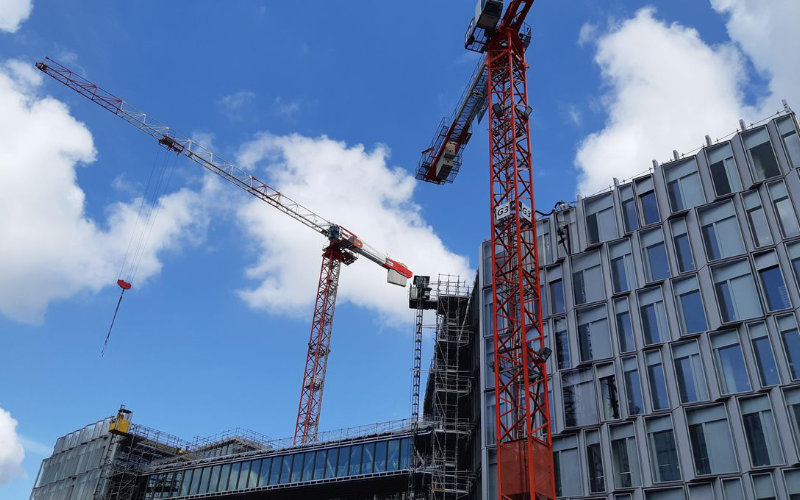
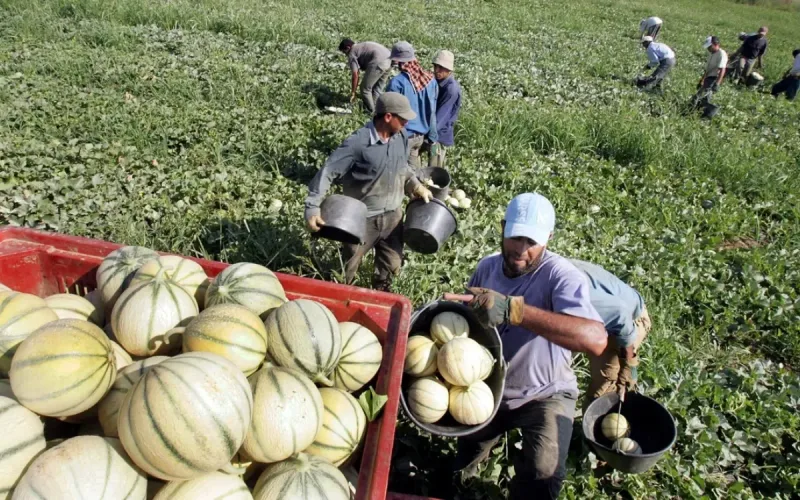
The economic integration of these populations is reflected in particularly high figures. The employment rate of foreigners reaches 61% in Corsica, a level significantly higher than the continental average, which caps at 53%. This workforce, particularly Moroccan, proves crucial to keeping the island’s economy running. Nearly 72% of employed immigrants hold positions in so-called "strained" occupations. For example, they are massively present in the construction sector, which alone accounts for 43% of foreign workers on the island, compared to only 17% in the rest of France.
On the ground, employers confirm this dependence, noting that the origin of employees is no longer an issue in the face of overall recruitment difficulties. The only solution for many companies is to hire and train these workers internally to retain them. As the authors of the study point out, the absence of these foreign workers would create a huge void that would be very difficult to fill locally.
On Bladi.net: Insee: Moroccans dominate the construction sector in Auvergne Rhône-Alpes
However, this employment dynamic masks deep gender disparities within these communities. While 76% of immigrant men work, only 41% of women hold a job. Often hindered by a fragile command of language, reading, or math, they struggle to integrate, even in highly feminized occupations like home care. A situation that also suggests that, depending on the origins and cultural patterns, women’s access to the labor market remains a major challenge.