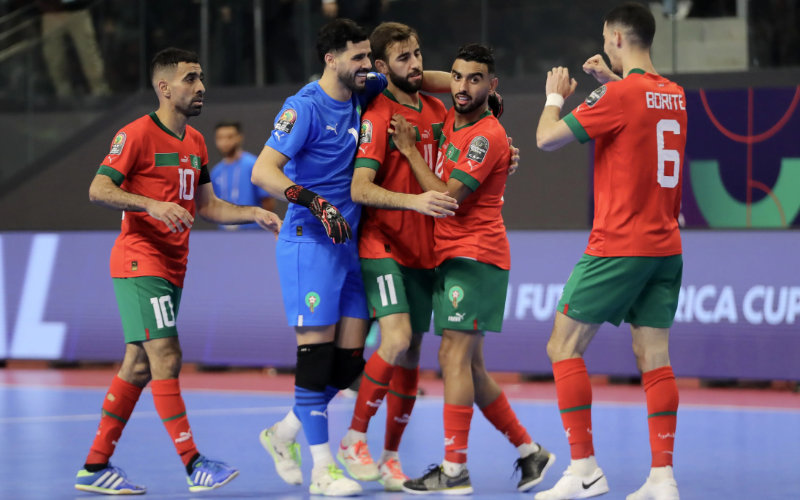
Fouzi Lekjaa reframes the criticism on the 2030 World Cup and addresses the attacks from Algeria
At the Moroccan Parliament, the Minister Delegate in charge of the Budget, Fouzi Lekjaa, responded to the criticism, particularly from the opposition, on the budget allocated to the construction of stadiums, notably on the issue of health and hospitals. He also points the finger at Algeria.
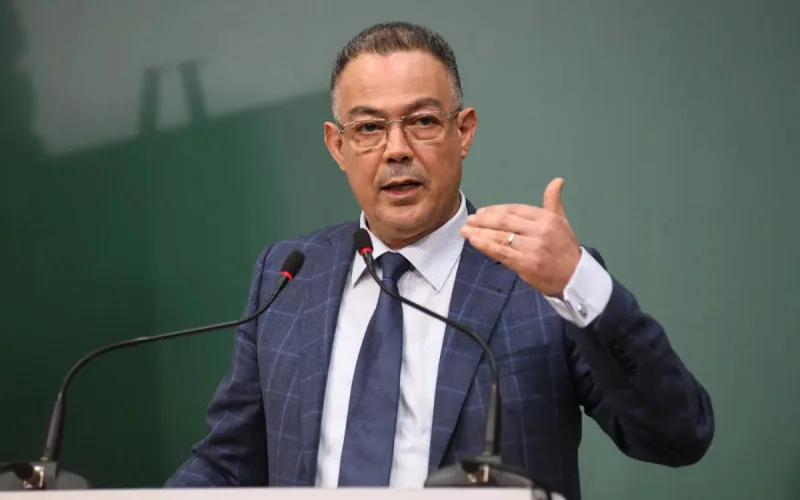
"Some criticisms lack objectivity and are not based on any real basis. That’s why they quickly collapse," Fouzi Lekjaa said before the Finance Committee of the House of Representatives on the sidelines of the general discussion of the 2026 Finance Bill. According to his explanations, the cost of building the stadiums had not been deducted from the state budget: "If we examine this budget in detail, we will see that the overall cost related to the World Cup amounts to around 3 billion dirhams, of which 1.6 billion is intended for the National Railway Office."
"The projects related to the World Cup... the essential thing for our country is their realization, whether we host the World Cup or not," said the minister, stressing that these projects "will bring great added value to our country, create growth opportunities and stimulate employment, in the service of the national interest as a whole." According to him, it is necessary to connect the north of the kingdom to the south, and the east to the west. Furthermore, there will be no real development of Morocco until this is done, he said, adding that this is the aspiration that guides these projects for 2030.
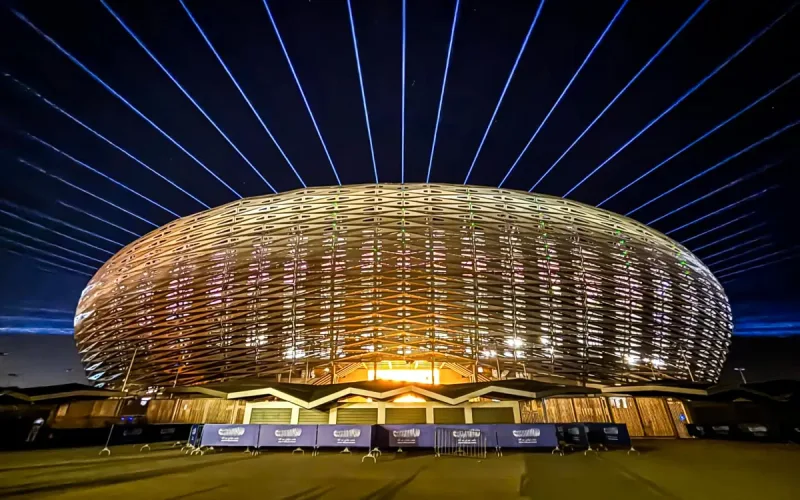
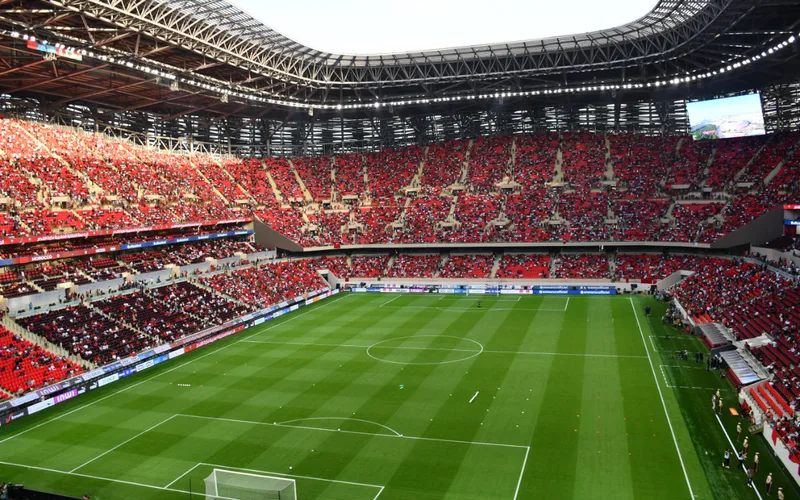
For Lekjaa, Morocco’s commitment to the World Cup organization process is not just a sports project. "The World Cup itself is an essential lever in the national roadmap, where the different aspects of development, particularly that of health, intersect," he said. Criticized for the speed of construction of the stadiums compared to hospitals, the minister assures that the Moulay Abdellah stadium was renovated "in record time; but when we wanted to build a university hospital, we were also able to do so in a very short time."
"If we canceled the World Cup, should we stop carrying out these projects? Modernize the airports? Would we give up the reform of the health system? Of course not," Lekjaa questions. For him, "the essential thing is to continue the reforms and development, because these investments will benefit all sectors, particularly the health sector." And he adds: "Some projects that are being carried out today could not have been completed before 2030, 2031, or even 2032." In other words, the World Cup is an opportunity to accelerate their implementation.
Referring to the call for a boycott, the Budget Minister directly targeted Algeria, without naming it: "You know who our competitor was. Since then, he has been trying to sow doubt about our capabilities. Some voices mention a supposed conspiracy related to stray dogs, manipulated images, etc. So why should we call for a boycott today?"