2030 World Cup: Why Morocco is gaining ground against Spain
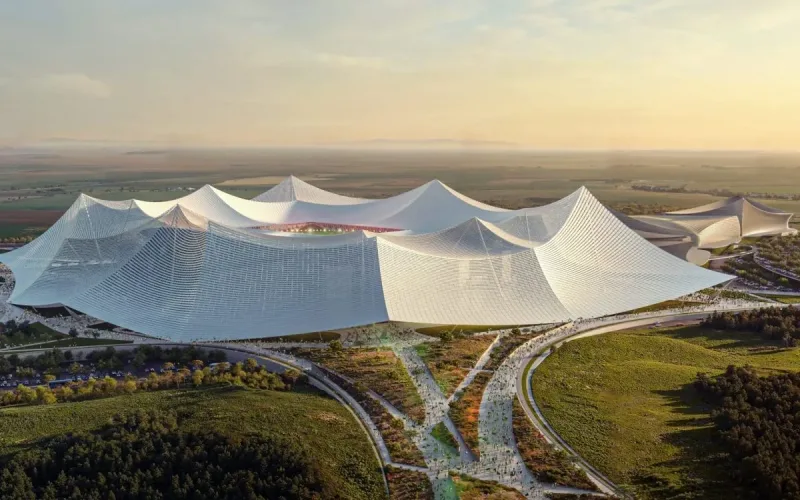
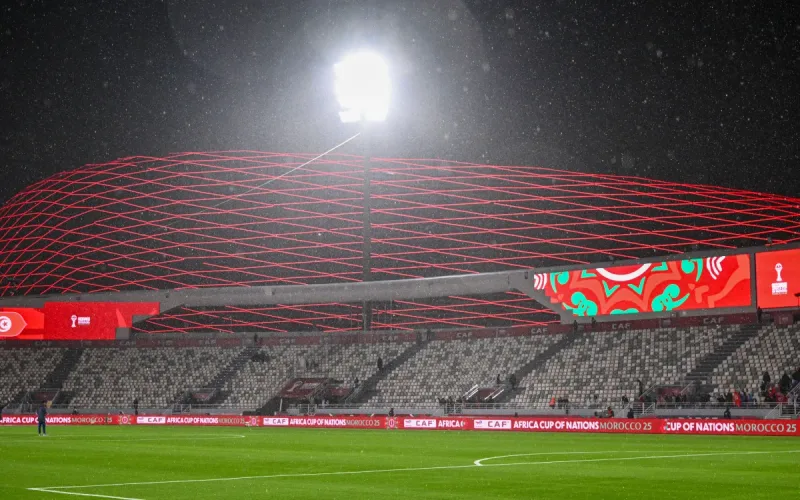
At the "Stadium Summit" congress that brought together the biggest names in the stadium architecture, construction and operation sectors in Madrid, Eduard Dervishaj, Director of the Department of Institutional Relations and International Projects of the Royal Spanish Football Federation (RFEF), stated that "Morocco is pushing hard... and could deprive us of some 2030 World Cup matches".
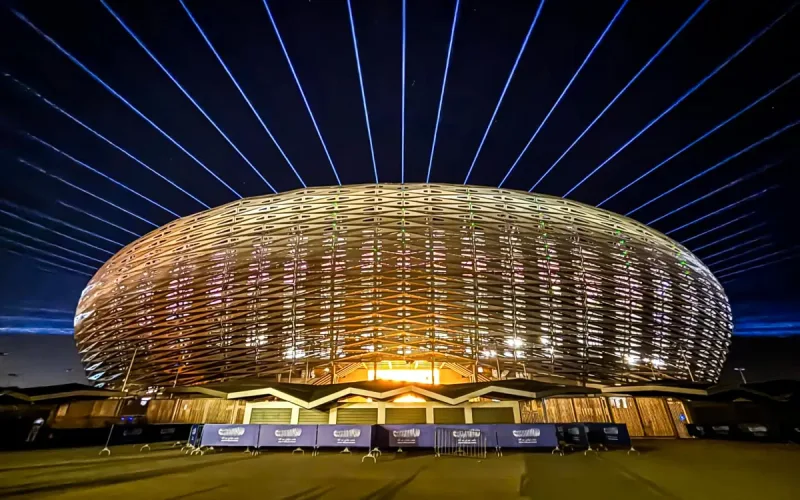
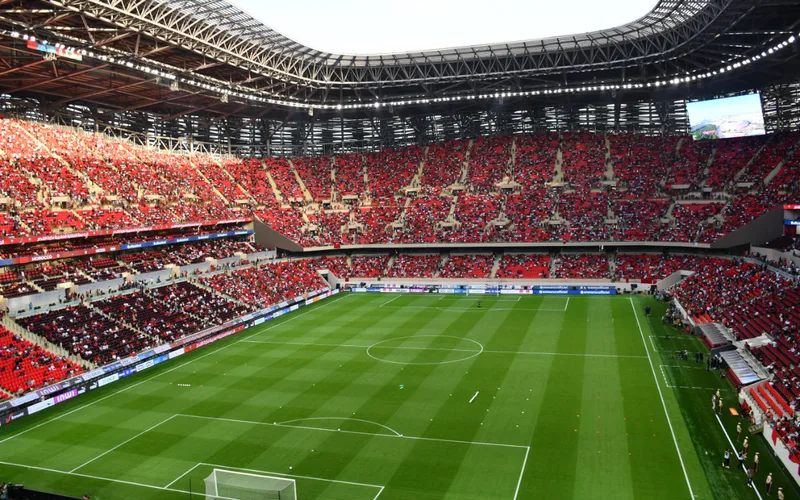
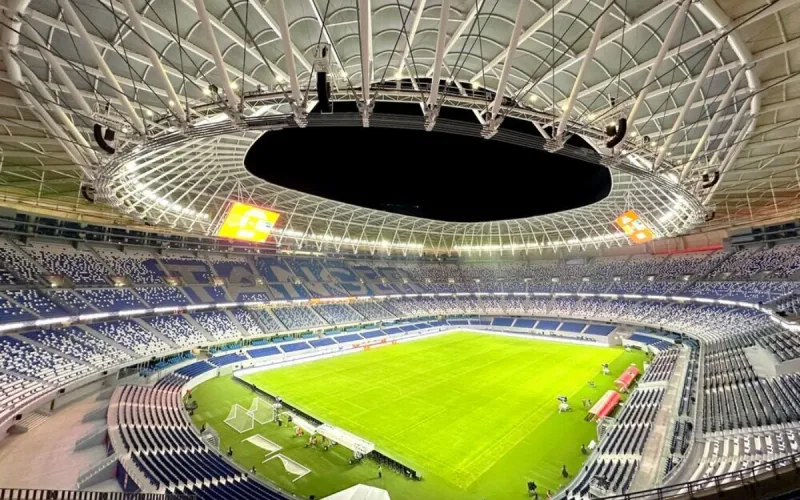
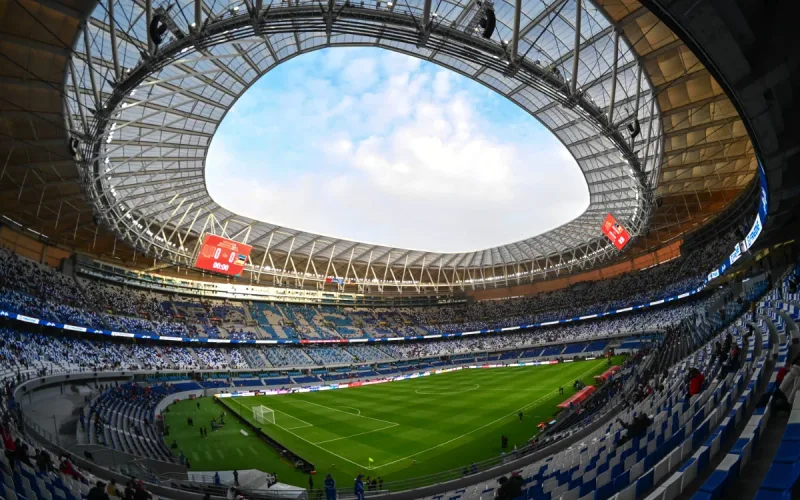
"Stadiums are not built specifically for the World Cup; the tournament encourages the creation of infrastructure that will last 40 years. These stadiums must have a community, a club behind them... we cannot invest in stadiums that will become mere relics. We have learned from the past and from those countries that have built facilities that remained unused after the tournament," said Eduard Dervishaj, involved in the organization of the World Cup. For Dervishaj, this world tournament is a crucial moment not only for Spanish football, "but for Spain as a whole".
But when it comes to stadiums, "we still have a bit of a way to go," the official notes, highlighting the rivalry between Morocco and Spain to host the final of the competition. "We talk a lot about the Federation, but the responsibility lies largely with the stadium owners and the lack of planning. Morocco is putting pressure. This effort, combined with a lack of planning, could allow it to host some of our World Cup matches."
"World Cups are an opportunity for a country. They give rise to large-scale projects. This World Cup means transformation, not just renovation. Spain was very behind," said Mark Fenwick, the architect who has managed projects such as the Nou Mestalla, the RCDE stadium and the renovation of Alvalade. Participants in this summit also stressed the notion of sustainability. "A stadium is now one of the most important projects for a city. Perhaps the biggest investment of the last 50 or 100 years. And it must absolutely be part of the urban development plan, or it will fail."
"The World Cup cannot be left solely in the hands of administrations and clubs; we need the opinion of the supporters. We need to know what the people want," Dervishaj concluded.