2030 World Cup: The sparse stands of the Africa Cup of Nations, a bad publicity for Morocco?
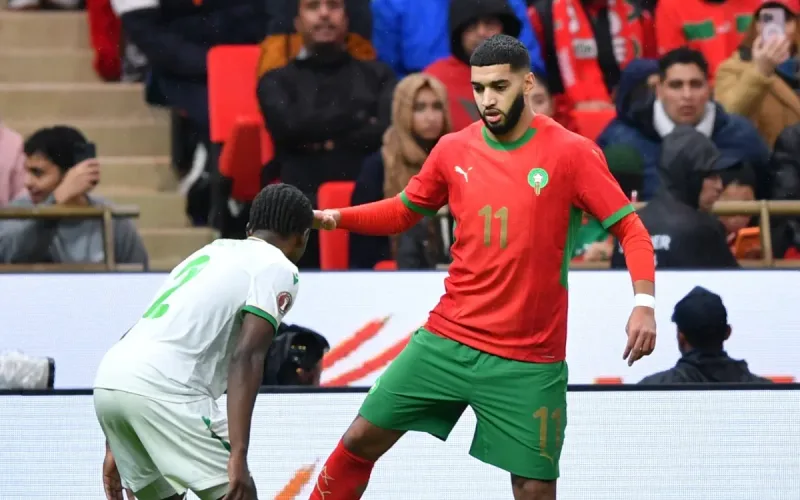
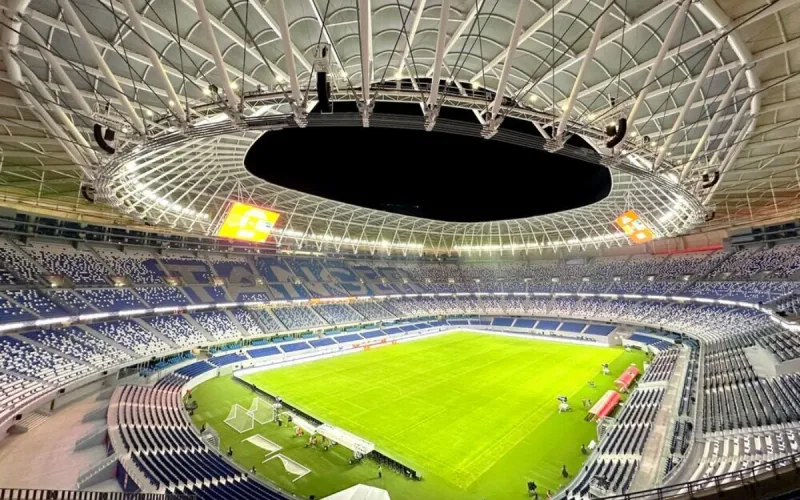
As the Africa Cup of Nations is in full swing in Morocco, an unexpected controversy is emerging from the stands. Many matches are officially "sold out", yet television images reveal partially empty stands. This paradoxical situation frustrates supporters who were denied tickets and could tarnish the image of the Kingdom in the race for the 2030 World Cup final.
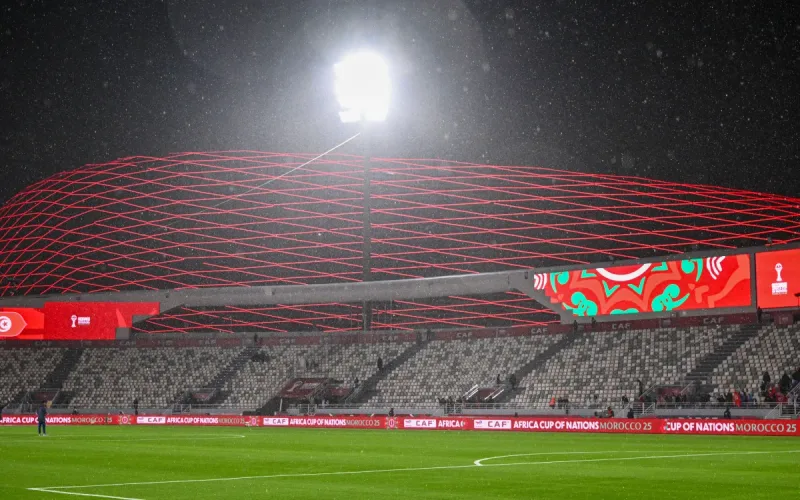
This visual off-note contrasts with the announced enthusiasm. Although many matches are declared sold out, the reality in the stadiums is quite different, with vacant seat areas visible. This gap between official ticket sales and actual attendance has become a constant during this group stage, even affecting high-stakes matches. This situation concerns the organizers, as it is detrimental to Morocco’s image as a candidate to host the 2030 World Cup final, co-organized with Spain and Portugal.
The examples are multiplying, causing incomprehension. Last Friday in Rabat, during the clash between Morocco and Mali, the Prince Moulay Abdellah stadium was sold out, but the stands showed the same symptoms of partial emptiness, despite an official figure of 63,844 spectators. The observation was even more striking during the Algeria-Sudan match at the Moulay El Hassan stadium: while the match was supposed to be full, only 16,115 spectators were present for a capacity of 22,000 seats. In Tangier, the Grand Stadium sounded hollow for the Senegal-Botswana match, with only 18,500 fans in a 68,000-seat venue.
Anger is brewing among supporters who struggle to explain this phenomenon. While they are denied access due to lack of available seats, they bitterly note the empty seats on television. The main cause seems to be speculation: tickets are snatched up in a few minutes on official portals to immediately feed the black market. Resale is thriving, with prices sometimes reaching ten times the original price, turning the passion for football into pure business.
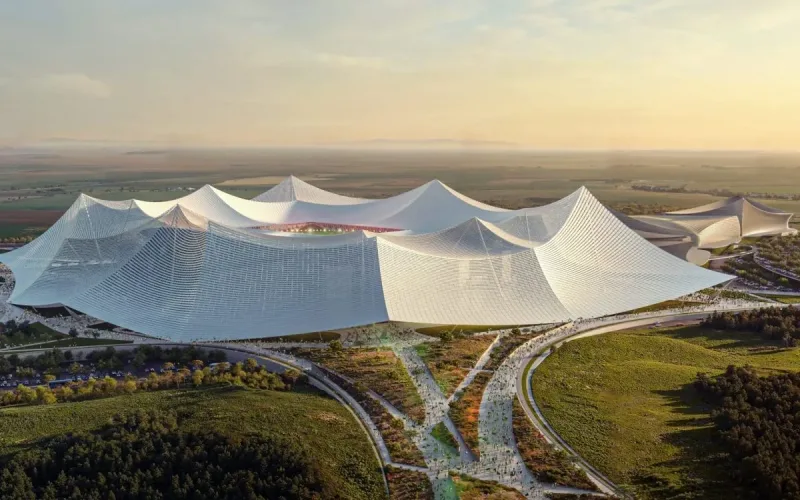
Faced with this situation, silence prevails on the part of the authorities. No official explanation or concrete solution has been provided so far to stem this scourge. This ticketing management could be a stain on the Moroccan file in the eyes of FIFA, at a time when the selection of stadiums for the 2030 World Cup is a crucial issue.