Former Spanish spy chief says Morocco was reminding Spain who holds the upper hand
Former Spanish intelligence chief Jorge Dezcallar rules out any American or Israeli involvement in the mass crossings into Sebta. The former ambassador to Rabat believes Morocco wanted to remind Spain of the balance of power between the two countries.
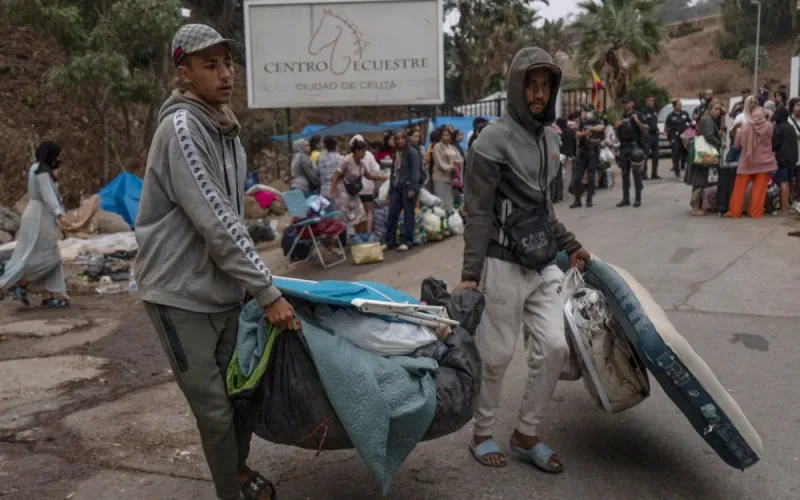
Jorge Dezcallar does not believe the operation was orchestrated by the United States or Israel. Speaking to Ràdio 4 and 2Cat on Monday, the former director of the CNI pointed directly to Morocco: Rabat wanted to remind Madrid “who holds the upper hand,” RTVE reports.
On Bladi.net : 72,000 crossings into Sebta: Spanish police accuse Morocco of organizing everything
His analysis carries particular weight in the Spanish debate. Jorge Dezcallar headed the CNI from 2001 to 2004, but above all, he served as Spain’s ambassador to Morocco and then to the United States.
According to him, Rabat perceived a “slight change in attitude” from Madrid. He cites the granting of Spanish nationality to some Sahrawis, the restoration of relations with Algeria and greater Spanish independence on the Sahara issue.
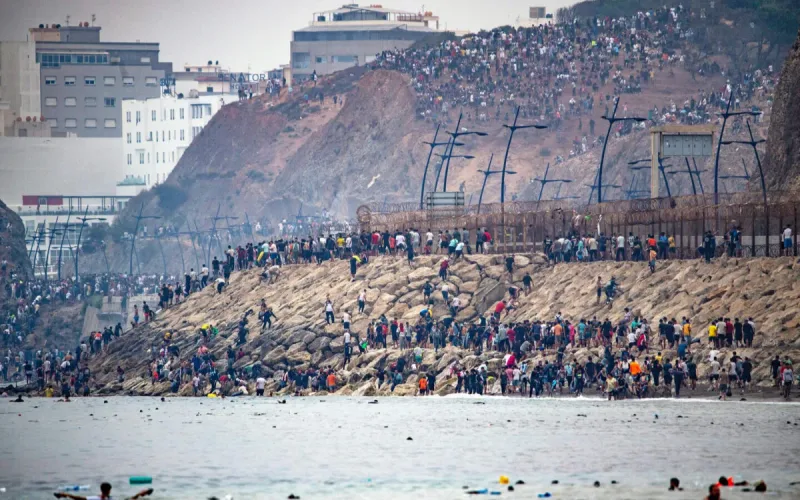
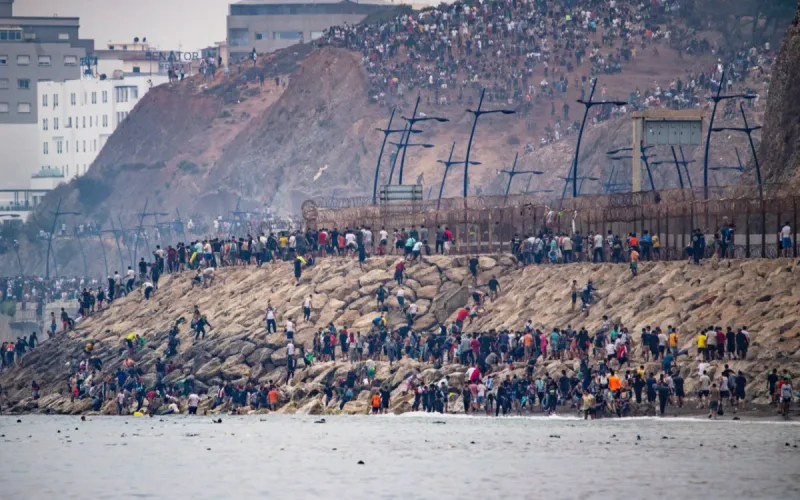
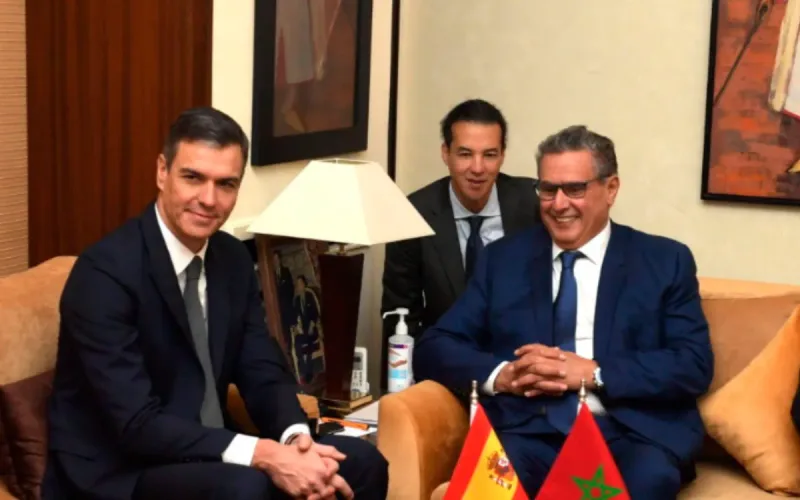
The former diplomat thus places the crossings on 30 and 31 July in the context of a political power struggle. Some 72,000 entries were recorded in Sebta at the time. Pedro Sánchez has since acknowledged the failure of Moroccan border controls, without accusing Rabat of organizing the operation.
The Russian angle, but not the American or Israeli one
Dezcallar, however, dismisses the accusations made in Spain against Washington and Israel. He believes other states may have an interest in provoking conflict between Europeans in an area as strategically important as the Strait of Gibraltar, pointing this time to Russia.
Two months after the events, he also considers it “abnormal” that the exact circumstances of the crossings remain so poorly established. He denounces the conditions in which migrants are still living on a beach in Sebta, comparing them to those in a camp in Sudan.
The former CNI chief also criticizes the Spanish government’s decision to declassify several intelligence reports on the crisis. He calls it “barbaric,” saying it could reveal to foreign intelligence services the issues Spain monitors, its capabilities and its shortcomings.
On Bladi.net : Ceuta Crisis: After Suspicions Against Morocco, Spanish Report Finds No Evidence
This release could also help a foreign intelligence service narrow its search for a CNI collaborator, source or informant. Dezcallar fears that some of them may now refuse to continue working with Spanish intelligence.