Former Spanish army chief calls Ceuta migration surge a Moroccan “hybrid war”
Fulgencio Coll accuses Morocco of using the mass arrivals in Ceuta as a weapon against Spain. The former chief of the army staff is calling for a military presence at the border and economic pressure on Rabat.

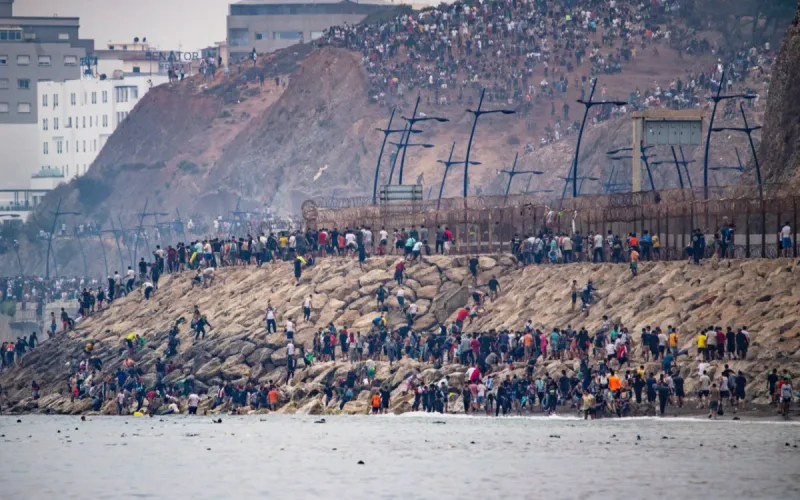
“A full-scale invasion”: that is how the general describes the events at the end of July in an interview published this Saturday, October 3, by OKDiario. In his view, the crossings into Ceuta were part of a planned operation intended to put pressure on Madrid.
On Bladi.net : Sebta: Bourita assures Spain that Morocco was not behind the massive arrival of migrants
Coll frames this accusation as a “hybrid war,” waged using means that are not necessarily military. He says Rabat weaponized immigration and took advantage of the fragility of Spain’s institutions to advance its interests.
His criticism is also directed at Pedro Sánchez’s government, which he accuses of turning a blind eye and failing to respond firmly enough. A former military official, Fulgencio Coll is now active in politics as Vox’s spokesperson on Palma city council.
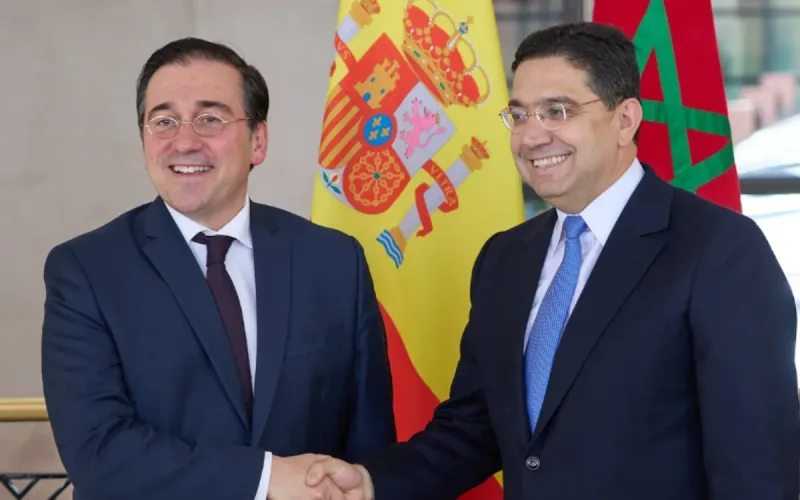
This interpretation differs from the account given in September by José Manuel Albares. The Spanish foreign minister had reported that Nasser Bourita denied any Moroccan involvement in the influx. Albares said at the time that Madrid could not confirm who was behind the movement.
Militarizing the border and putting pressure on Rabat
In another part of the interview, Coll argues for a stronger military presence along the border perimeter. He believes security forces are carrying an excessive burden and need a deterrent deployment. He also calls for Frontex to intervene.
The European agency was already present in Ceuta during the crisis, with twenty agents. Its director, Hans Leijtens, told Dutch lawmakers that Frontex had mainly helped gather information, while control of access remained Spain’s responsibility.
Beyond troop numbers, Coll wants Spain and the European Union to use their economic and trade leverage against Morocco. He takes his argument as far as invoking a “casus belli”—in other words, a reason for war—if defending Spanish sovereignty required it.
On Bladi.net : After Weeks of Crisis in Ceuta, Morocco Makes a Promise to Spain
On the diplomatic front, the two countries continue discussions on returns. At a meeting with Albares in New York on September 24, Bourita had renewed Morocco’s pledge of “full cooperation” in taking back migrants stranded in Ceuta who are not eligible for international protection.