Football: Spaniards shocked by "multiracial" promotional campaign
The presentation of the new away jersey of the Spanish national team for the 2026 World Cup is causing a major controversy. The decision by the equipment manufacturer to use models of various ethnicities has shocked a portion of the public, who see it as a lack of representation of Spanish society.
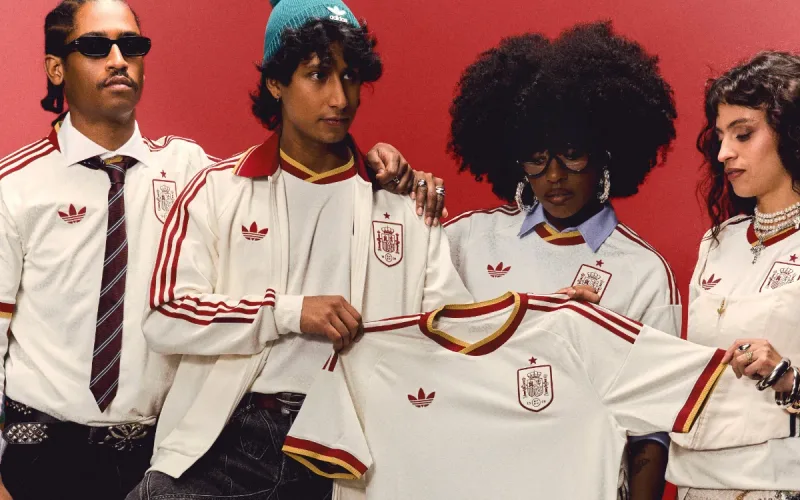
Coach Luis de la Fuente recently unveiled this new white jersey. While the color awakens bad sporting memories in the most superstitious (eliminations in 1994, 1998 and 2014), it is above all Adidas’ advertising campaign that is inflaming social networks, as reported by the newspaper El Debate.
On Bladi.net: Controversy: Olympique de Marseille withdraws a jersey after an error on the map of Morocco
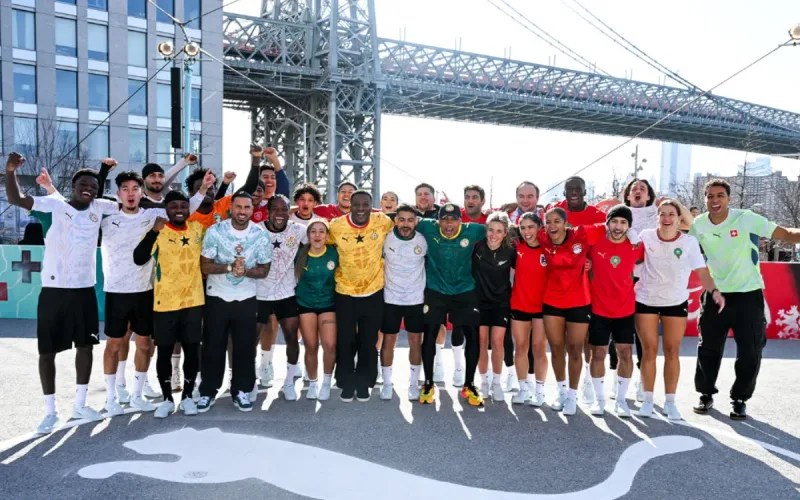
The controversy stems from the brand’s choice to exclusively feature black and Arab-origin models to promote this retro-style jersey. The absence of white models has puzzled many internet users. Although Spain does not keep official ethnic statistics, several studies estimate that the Spanish population is about 90% white. For comparison, some supporters have drawn a parallel with Morocco, whose equipment supplier (Puma) favors models reflecting the local demographics.
It is also important to clarify, in order to dispel any confusion, that the controversy is very specifically targeting the choice of models for the online advertising, and not the composition of the Spanish national team itself.
Faced with this wave of reactions, the motivations of the German equipment manufacturer are explained by a purely commercial and international strategy. As Spain is one of the most prestigious teams under contract with the brand, the latter is seeking to maximize sales of this jersey worldwide, targeting a much wider audience than just the Spanish market.
On Bladi.net: The new Senegal jersey with a single star, an admission of powerlessness against Morocco?
Furthermore, the company has not neglected the national public, as it has also released promotional photos featuring the actual players of the national team, such as Pedri. This globalized and inclusive advertising approach, which mixes different ethnicities and genders, is applied in the same way for other major nations sponsored by the brand, such as Argentina, Italy, Belgium or Germany.