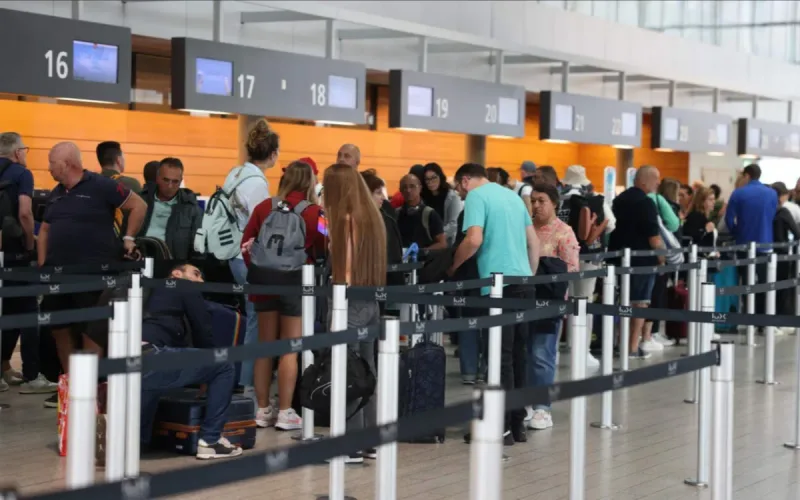
Flying to Morocco? Here’s what authorities can learn about your trip
An airline ticket reveals far more than the identity of its holder. A decree published in Morocco’s Official Bulletin sets out the passenger information authorities can receive, including payment methods, bookings, baggage, travel companions and even an address for your stay in Morocco.
The person who booked your ticket, other travelers listed on your booking, your billing address and any changes made to your reservation: all this information is covered by an interministerial decree published in the Official Bulletin on October 5, 2026. Signed on January 29 by the ministers of the Interior, Finance and Transport, the text specifies the data covered by Morocco’s air passenger monitoring system.
Decree No. 218.26, available on pages 7441 to 7443 of the Official Bulletin, sets out a particularly detailed list. In addition to standard details — surname, first name, nationality, date of birth and passport number — it includes the traveler’s usual address, phone number, email address and, where applicable, the contact details of someone to reach in an emergency.
Financial information related to the booking is also covered. The text lists the payment methods used, the billing address, the ticket price, its class and place of issue. Airline loyalty programs are included too, along with the membership card number and the member’s status.
Authorities can find out who booked your ticket
The identity of the person who made the booking is expressly included. The record may also contain the names of other passengers traveling under the same booking reference, the itinerary, connections and any ticket changes. The history of those changes is itself among the information recorded, as are cancellations and check-in transactions.
The system also covers baggage. In addition to the number of bags, boarding information includes their weight, identification references and the number of carry-on bags. The seat number and boarding status are also included.
For Moroccans living abroad who are returning home, one detail deserves particular attention: their place of residence in Morocco. Article 2 of the decree lists it among the information relating to passenger check-in and boarding, alongside the border crossing point, flight date and travel documents used.
Specific provisions apply to children traveling alone. The text provides for the identification of the minor, their age and nationality, and information about their legal representative. It also lists available details about the people responsible for accompanying them on departure and arrival.
On Bladi.net : Canada’s Inkas to develop passenger screening systems in Morocco and expand into defense industry
The regulation is part of a system for the advance processing of passenger data adopted in 2022. Decree No. 2.21.624 established a system for transmitting airlines’ API/PNR data to Moroccan authorities, with a national center responsible for processing it. The decree published in October 2026 specifies the categories of data without, by itself, creating a new surveillance system.
The rules apply to domestic and international commercial flights. The text also covers information about crews and general aviation, including private aircraft. For international flights, operators of private aircraft must also provide the national processing center with the point where they cross the Moroccan border.