Eid al-Adha heat wave meat safety tips Morocco
As Eid al-Adha approaches, the intense heat wave hitting Morocco is alarming experts. Extreme temperatures accelerate bacterial proliferation, multiplying the risks of meat deterioration and serious food poisoning cases.
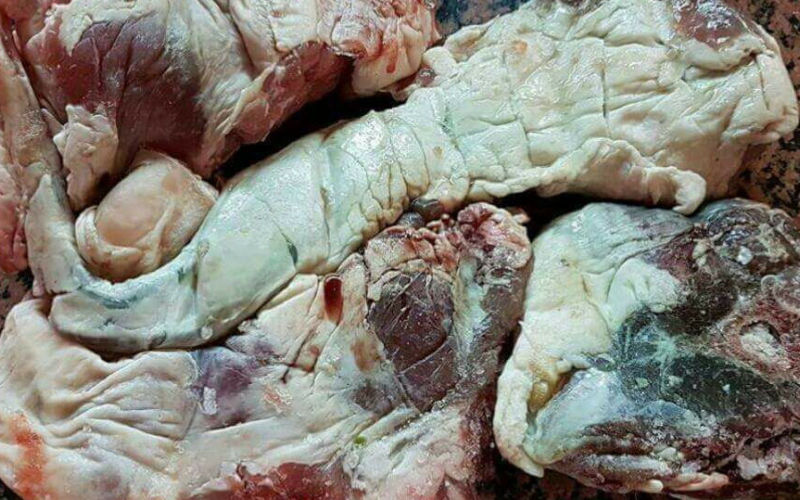
The danger is invisible but very real. Offal such as liver, lungs, or intestines are the first exposed to rapid degradation and must be cooked or refrigerated immediately. Health professionals are sounding the alarm: the slightest color change toward green or gray, the appearance of a slimy texture, or an unusual smell require discarding the piece immediately without taking any risk. The threat also looms over already cooked dishes, which must never remain outside for more than two hours to prevent poisoning.
On Bladi.net : Health Experts Warn of Meat Safety Risks During Morocco’s Eid al-Adha Heatwave
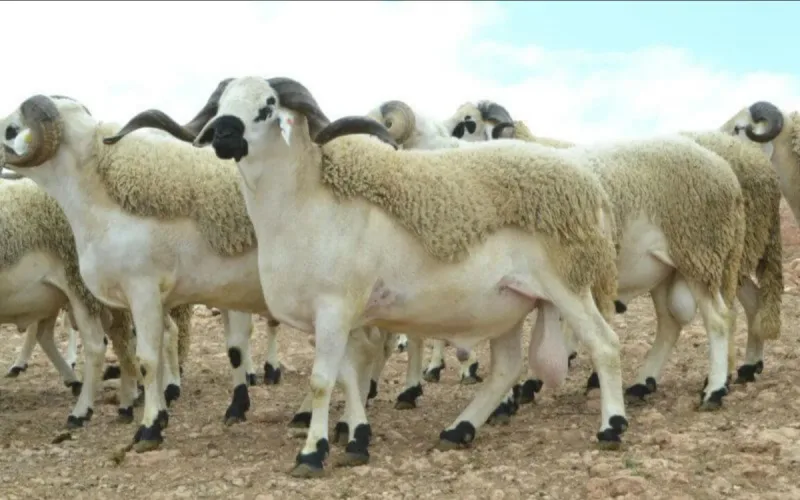
To ward off these dangers, the vigilance protocol begins at the moment of sacrifice. The animal, which must show no signs of lethargy or illness, must be hydrated and kept in the shade. Specialists interviewed by Hespress insist on patience: the blood must drain completely and the carcass should not be rinsed with water, as moisture acts as a bacterial accelerator. The meat must hang in a clean, well-ventilated place for approximately three hours. This natural drying period should nevertheless be slightly shortened in cities suffocating under the heat, such as Marrakech, Errachidia, or Béni Mellal, in order to hasten refrigeration.
On Bladi.net : Eid al-Adha Morocco livestock crisis threatens national herd
The freezing stage constitutes the ultimate health safeguard. The refrigerator must display a maximum of four degrees and the freezer must drop below -18 degrees. Nutritionists strongly advise against stacking pieces, a frequent mistake that suffocates the circulation of cold air. The recommended method consists of dividing the meat into small portions per meal, while entrusting freezer management to a single person. This strict organization limits unintended door openings and prevents fatal breaks in the cold chain.