Chefchaouen overtourism: Morocco's viral destination crisis
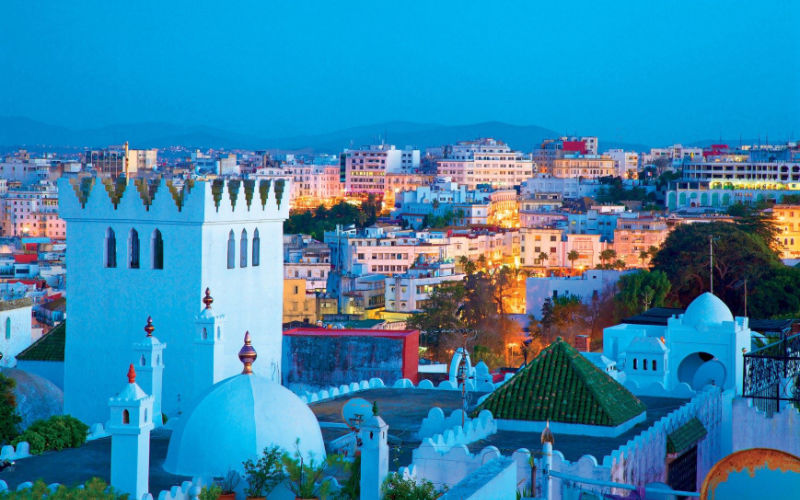
Propelled by social media, Chefchaouen sees its blue alleyways invaded by visitors. Like other international destinations, the Moroccan city is bearing the full brunt of digital virality, which has become the new compass for vacationers planning their holidays.
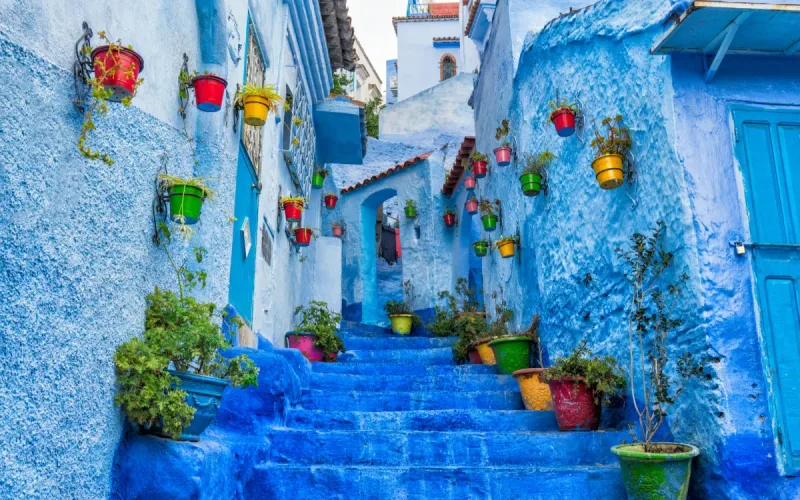
The famous azure arteries of the city nestled in the Rif now feature in rankings of areas degraded by their online overexposure. This phenomenon also strikes the small Albanian port of Ksamil and the Norman cliffs of Étretat, all overwhelmed after the massive spread of short videos. According to an article published by RFI, nearly half of young adults today abandon traditional search engines in favor of social applications to choose their future destination, with a spectacular explosion in tourism-related queries.
On Bladi.net : The Middle East War: Morocco emerges as the safe haven destination for vacationers
This fever is explained by a radical shift in the trust accorded to travel influencers. "Peer recommendation is more credible," analyzes sociologist Saskia Cousin, emphasizing that internet users prefer to follow advice from creators perceived as close to them rather than from industry professionals. States like Greece or Madagascar, as well as major airlines, are moreover exploiting this vein by paying influencers to promote their landscapes. The algorithms then concentrate all attention on extremely specific geographical points, triggering waves of simultaneous arrivals.
On Bladi.net : Morocco Surpasses South Africa in African Tourism Rankings, Report Shows
Faced with this sudden influx, material and social damage accumulates rapidly on the ground. Rents explode in Palma de Mallorca, while the island of Bali faces violent real estate pressure. To attempt to stem these human tides, several municipalities fight back with strict measures. Dubrovnik bans the use of wheeled luggage in its alleyways and Venice imposes a paid daily entry ticket. Ultimate symbol of this tourism now entirely dictated by smartphone screens, the French capital definitively closed the shutters of its very last physical visitor center at the beginning of 2025.