After Ceuta incidents, former Spanish admiral urges Madrid to reconsider support for Morocco’s Sahara plan
Spain could reconsider its support for Morocco’s autonomy plan for Western Sahara. That is the proposal of Juan Rodríguez Garat, a former Spanish navy admiral, who accuses Rabat of pressuring Madrid following naval incidents off the coast of Ceuta.
The Sahara as a means of putting pressure on Morocco. In an interview published Thursday, October 15, in the Spanish daily 20minutos, retired admiral Juan Rodríguez Garat is urging Madrid to reconsider its support for Morocco’s autonomy plan. He says this diplomatic response would be particularly effective after tensions between the two countries’ navies off Ceuta last July.
On Bladi.net : Spanish and Moroccan Warships Nearly Collide Off Ceuta
The former senior officer says Spain’s response should not be limited to deploying military vessels. He advocates tougher diplomatic relations with Rabat, using the Western Sahara issue as the main lever.
“Spain could reconsider its position on this territory,” he says. He believes such a measure would probably be the most effective response to the pressure he attributes to Morocco.
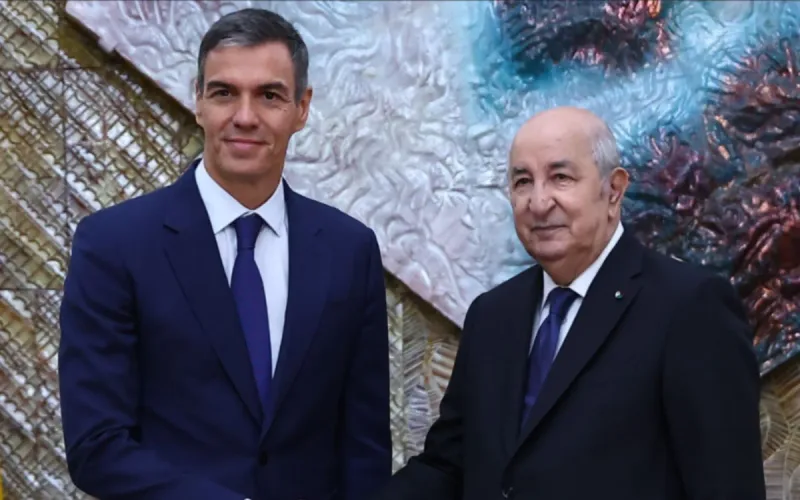
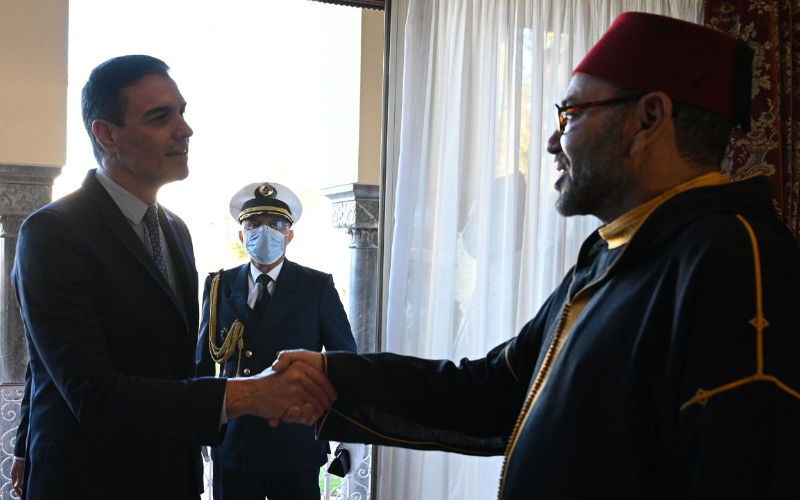
The proposal directly challenges the historic shift in policy decided by Pedro Sánchez in March 2022. The Spanish prime minister had then recognized Morocco’s autonomy initiative, presented in 2007, as the most serious, credible and realistic basis for resolving the dispute over Western Sahara. The rapprochement opened a new chapter in relations between Madrid and Rabat, while triggering a crisis with Algeria.
Four years later, Juan Rodríguez Garat believes the strategy has not produced the expected results. He accuses the Spanish government of making a series of concessions without obtaining, in his view, sufficient guarantees regarding Ceuta and Melilla.
The Sahara and Algeria at the heart of the accusations
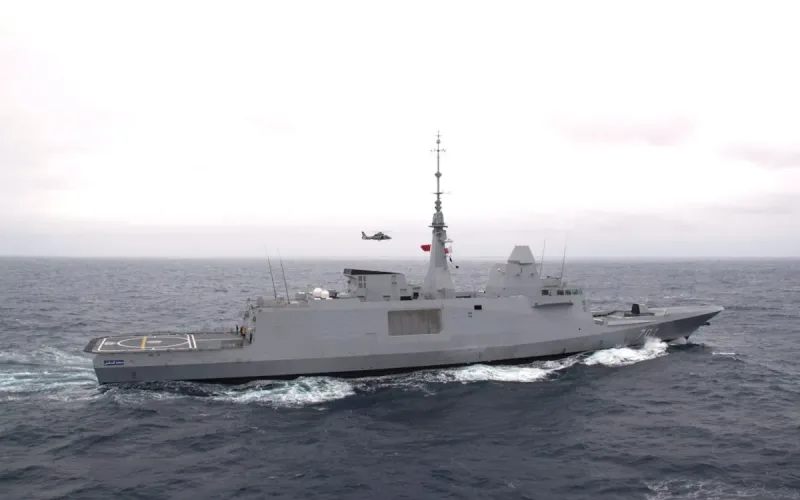
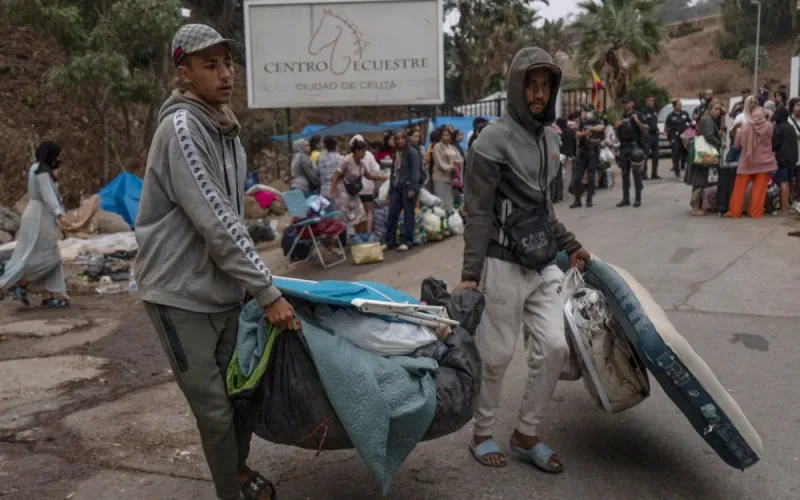
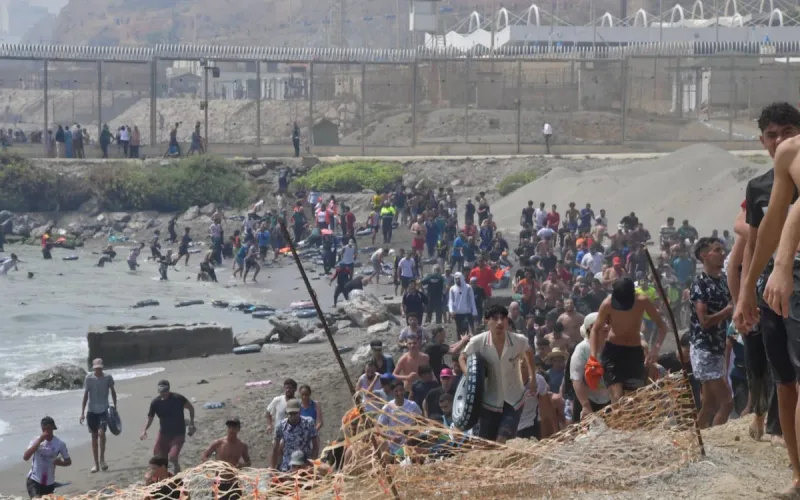
The former admiral offers his interpretation of the incidents on July 30 and 31, when several Moroccan Royal Navy vessels entered waters claimed by Spain around Ceuta, during a major migration crisis. Madrid then deployed several ships to strengthen its presence in the area.
But Rodríguez Garat says the maneuvers were not immediately intended to challenge Spanish control of Ceuta. He believes Morocco’s main aim was to influence Madrid’s regional policy.
He suggests in particular that Rabat wanted to discourage a rapprochement between Spain and Algeria, the Polisario Front’s main regional supporter. According to his analysis, Spanish discussions about Sahrawi nationality and diplomatic contacts with Algiers would have run counter to Moroccan interests.
For the former military officer, the Sahara remains Rabat’s strategic priority. He also does not believe Morocco intends to start a conventional war with Spain. Instead, he describes the July incidents as a “hybrid warfare” operation, an accusation previously made by another former Spanish military official.
This interpretation contrasts with that of Pedro Sánchez’s government. The Spanish prime minister acknowledged on October 12 that Moroccan vessels had been present in Ceuta’s waters, while describing the episode as isolated. His spokesperson, Elma Saiz, said the following day that the incident had been resolved normally through dialogue between two countries with good-neighborly relations.
On Bladi.net : Spain Tracked Moroccan Navy Communications Near Ceuta but Withheld Reports
Rodríguez Garat rejects this account. He believes the Spanish government is trying to preserve the image of calm relations with Morocco, even though the military had to intervene at sea. The former admiral is therefore urging Madrid to stop responding to tensions with further concessions and instead adopt a firmer diplomatic policy.