Proposal would channel Moroccan diaspora funds into businesses in their home regions
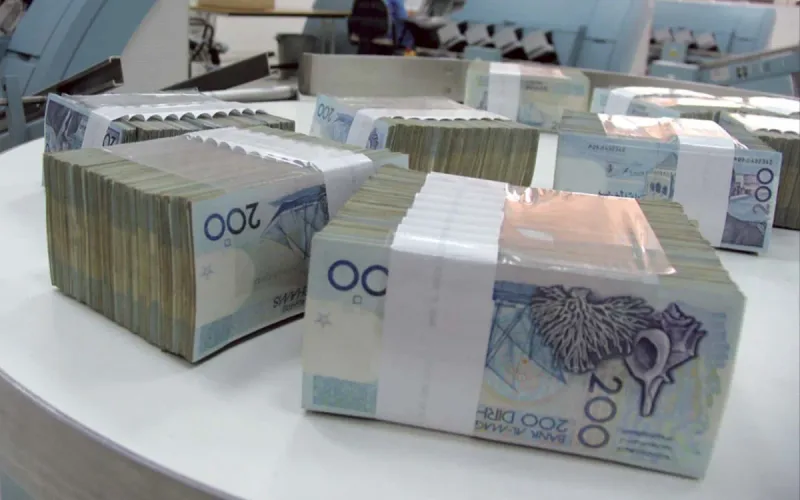
A fund for Moroccans living abroad could finance businesses in their home regions. The proposal aims to create local jobs while protecting money sent to families.


A fund for Moroccans living abroad could finance businesses in their home regions. The proposal aims to create local jobs while protecting money sent to families.

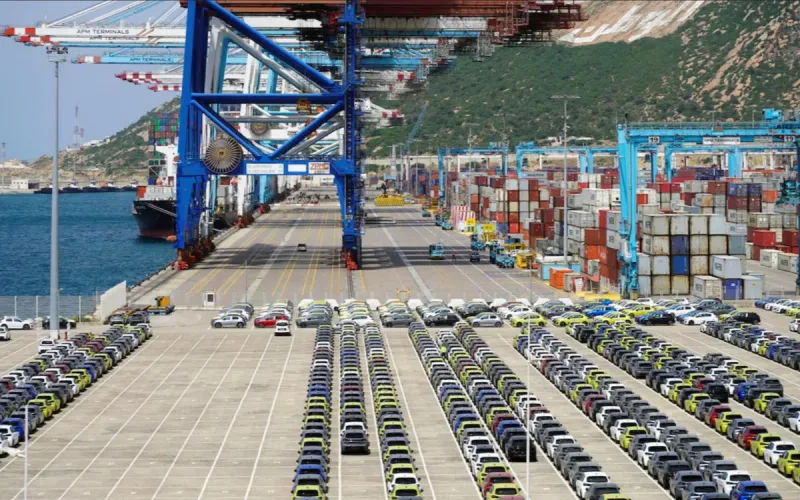
Morocco is one of three markets selected by London to test a new financing scheme that could mobilise up to £5 billion. The idea is simple: make it easier for foreign buyers to obtain credit so they place more orders with British companies.

A foreigner or an MRE investing in Morocco can freely repatriate the proceeds from a resale, subject to one decisive condition: proving that the transaction was financed in foreign currency. An improperly routed payment can cause this guarantee to be lost.

Morocco will be among the largest weightings in the new bond index that JPMorgan will launch before the end of September. Dubbed GBI-EM Edge, the benchmark will cover nearly $330 billion in government debt issued in local currencies by 26 countries.

French investment in Morocco reached one billion euros in 2025, its highest level in ten years. It accounted for one-third of net foreign investment inflows and almost all of their annual growth in the kingdom.

At 31, Mohammed Bouzoubaa launched TGCC in his home garage. Thirty-five years later, the shares he owns in the Moroccan construction giant are worth approximately $1.6 billion.

In 2025, Morocco attracted more than twice as much foreign direct investment as Algeria. Inflows reached approximately $3.3 billion in Morocco, compared with approximately $1.5 billion in Algeria, according to UNCTAD data.

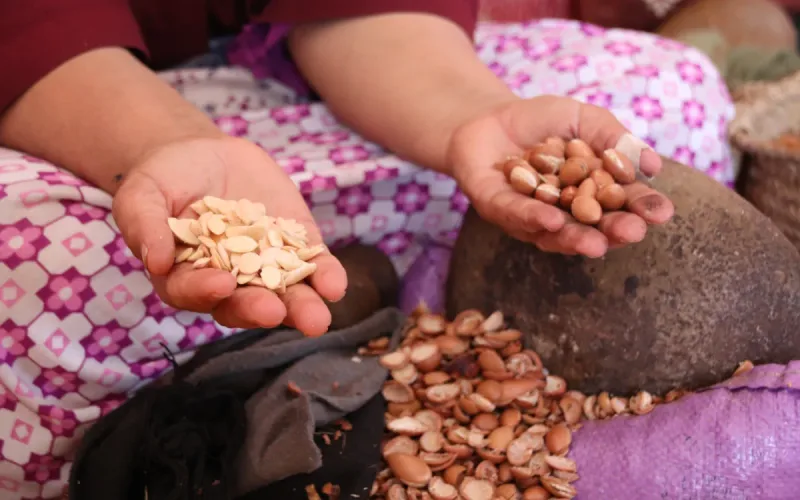
Morocco has a near-global monopoly on argan oil, but still captures too little of its value. According to the World Bank, 93% of Moroccan exports leave in bulk before being processed and marketed abroad as finished products.

The Foreign Exchange Office is scrutinizing 37 cases involving Moroccan exporters and investors. Inspectors suspect that some of them understated their income and kept part of their profits outside the Kingdom.

Morocco is still classified among frontier markets by MSCI. Its market is largely accessible to foreign investors, but four operational components are still deemed insufficient. However, the report does not allow these alone to constitute an exhaustive list of conditions for reclassification.

The Office of Exchange is investigating suspicious financial transfers involving Moroccan companies and offshore entities . Information transmitted by Spanish and French authorities reportedly enabled the opening of investigations to identify the real beneficiaries of these operations.

A joint operation by customs and tax authorities has dismantled a vast fraud network involving seven companies. The damage, estimated at 1.17 billion dirhams, combines false declarations, tax evasion and illicit fund transfers abroad.