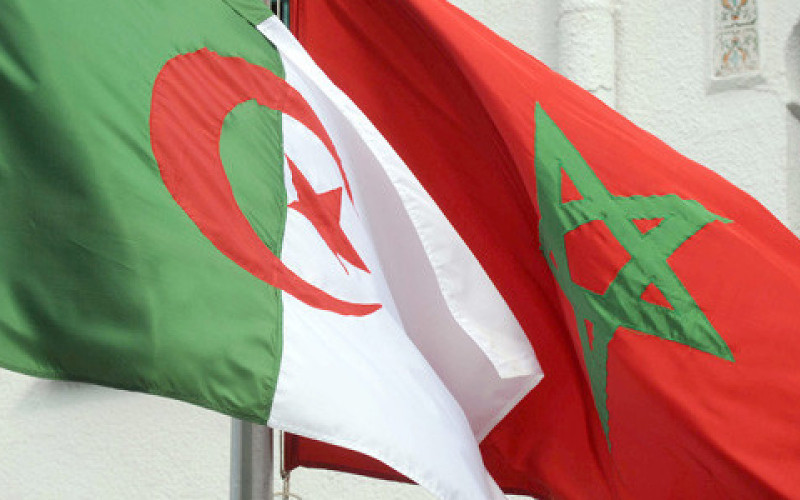
$3.3 billion in Morocco, $1.5 billion in Algeria: the foreign investment gap
In 2025, Morocco attracted more than twice as much foreign direct investment as Algeria. Inflows reached approximately $3.3 billion in Morocco, compared with approximately $1.5 billion in Algeria, according to UNCTAD data.
This finding appears in UNCTAD’s World Investment Report 2026. Every year, the United Nations organization compares foreign direct investment (FDI) flows, that is, capital committed by foreign companies to a sustainable economic activity.
Morocco attracts industrial investment
The difference between the two countries is not only a matter of the amount of capital received, but also of its direction.
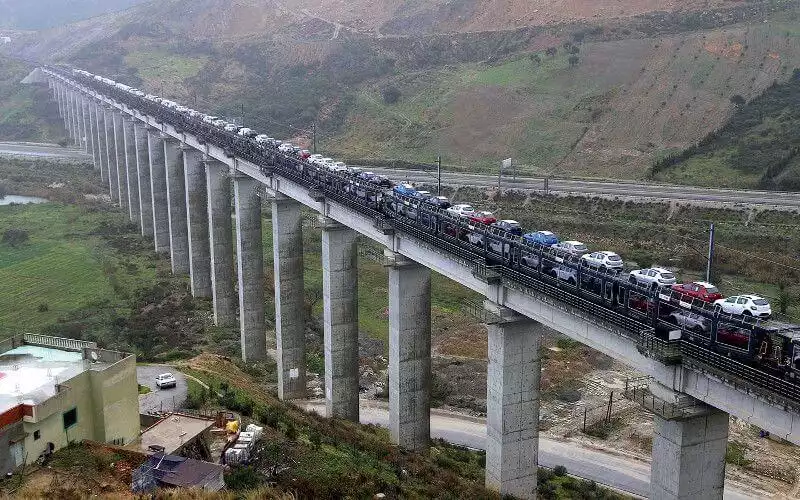
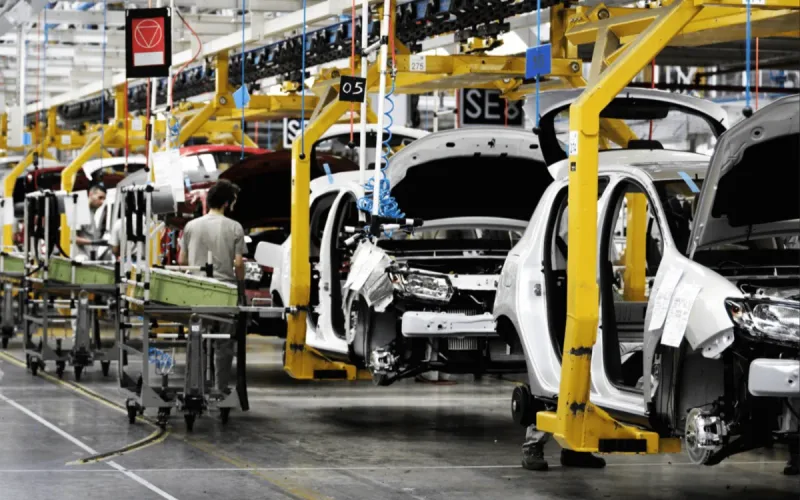
In Morocco, a significant share of foreign investment supports the development of export-oriented sectors: automotive, aeronautics, infrastructure, renewable energy, as well as industrial supply chains linked to new markets.
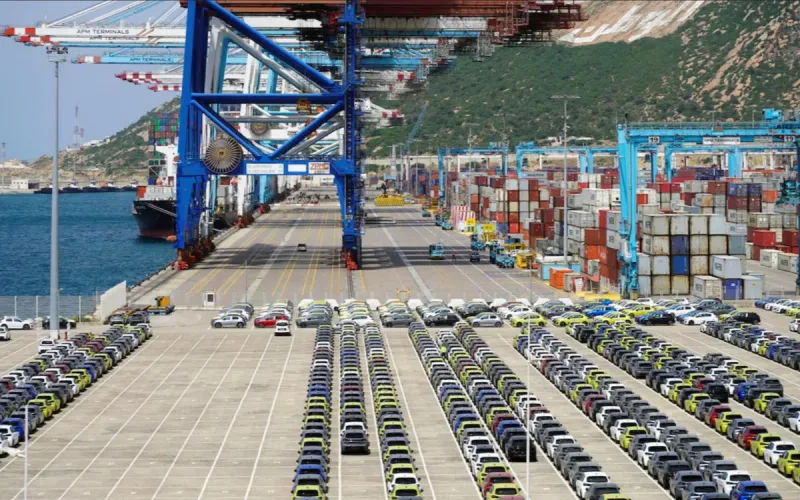
UNCTAD notably cites the development of the Tanger Med industrial platform and several major projects related to the automotive and electric battery industries among the factors strengthening the Kingdom’s attractiveness.
Two different economic trajectories
In Algeria, foreign investment remains more concentrated in traditional sectors, particularly hydrocarbons, which occupy a central place in the country’s economy.
The gap observed in 2025 therefore reflects two different models of attractiveness: Morocco seeks to attract companies integrated into global industrial supply chains, while Algeria remains strongly tied to the historic sectors of its economy.
The accumulated stock of foreign investment also illustrates this difference. According to UNCTAD, the FDI stock in Morocco reached approximately $80.8 billion in 2025, confirming the country’s progress as a regional industrial and logistics platform.
In 2025, foreign investors therefore injected more than twice as much capital into Morocco as into Algeria. Beyond the amount, the difference above all reflects two strategies: attracting export-oriented industries for Morocco, and maintaining a model more centered on natural resources for Algeria.