Spain
Morocco Outpaces Spain in Military Showdown Near Canary Islands
Morocco and Spain are waging a silent war around the Canary Islands and the waters of the Sahara.

Morocco and Spain are waging a silent war around the Canary Islands and the waters of the Sahara.
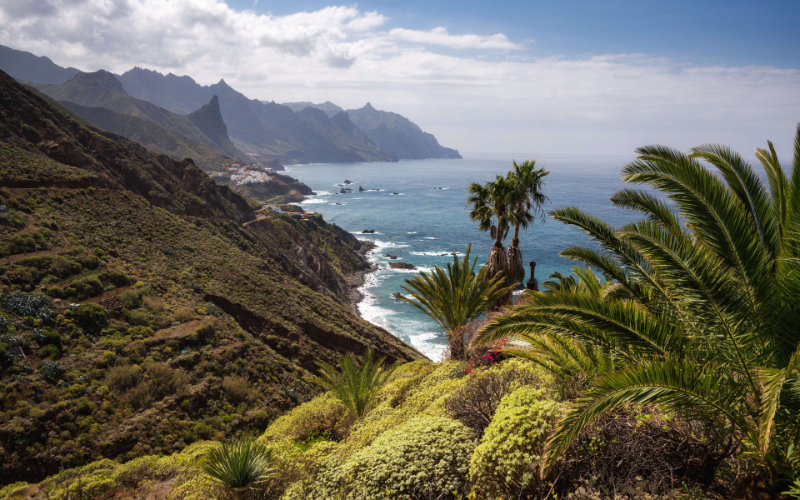
A study conducted by Spanish scientists reveals that the formation of the Canary Islands is not due to the activity of a fixed hotspot in the Earth’s mantle, but to fractures in the lithosphere, caused by interaction with the Atlas Mountains.
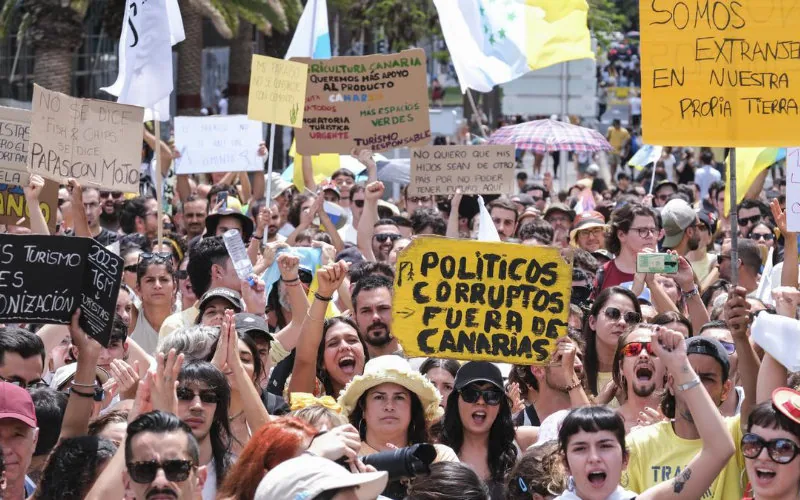
In Spain, protests against mass tourism persist. A situation that benefits Morocco and Tunisia, which are welcoming more British tourists than in the past.
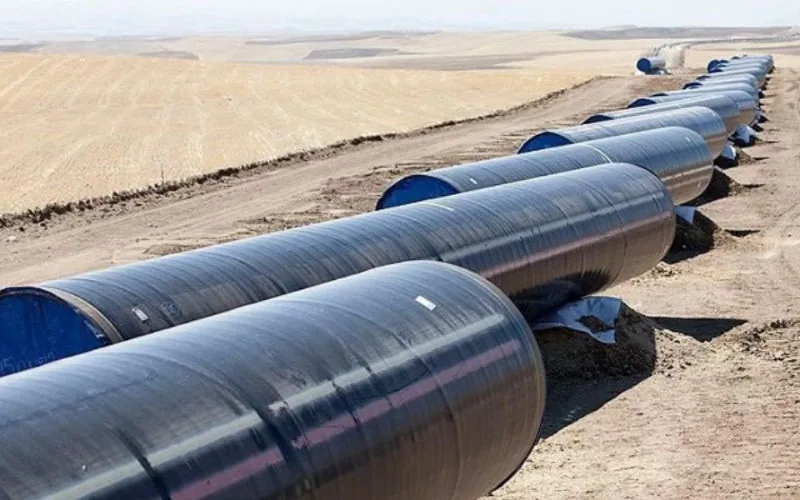
The Moroccan Minister of Energy Transition and Sustainable Development, Leila Benali, announced the completion of feasibility studies and preliminary engineering for the Atlantic gas pipeline project between Morocco and Nigeria, indicating that the Chinese company Jingye will supply the steel for the pipes of the gas infrastructure.
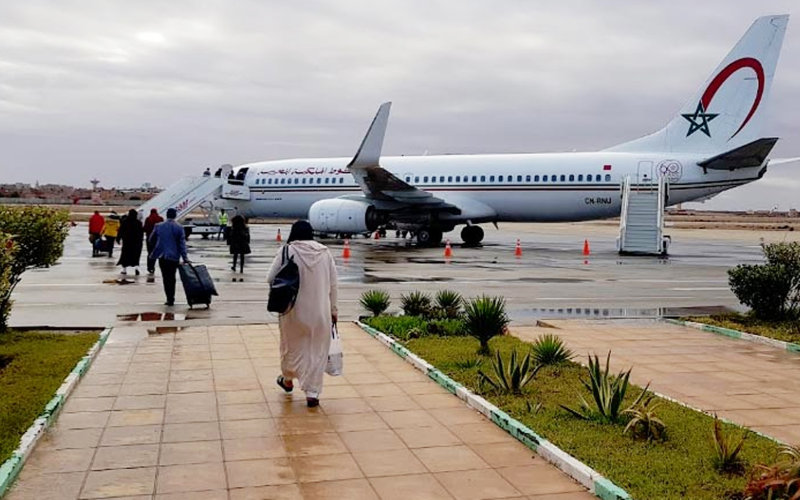
The Moroccan authorities expelled from Laâyoune on Saturday two Spanish activists, members of the National Coordination of Solidarity Associations with the Sahara (CEAS-Sahara), and a Spanish journalist who intended to carry out an information mission on the human rights situation in the Moroccan Sahara.

Researchers have observed an unbelievable presence, in broad daylight and on the surface, near the coast of Tenerife, in the Canary Islands, off the coast of Morocco.
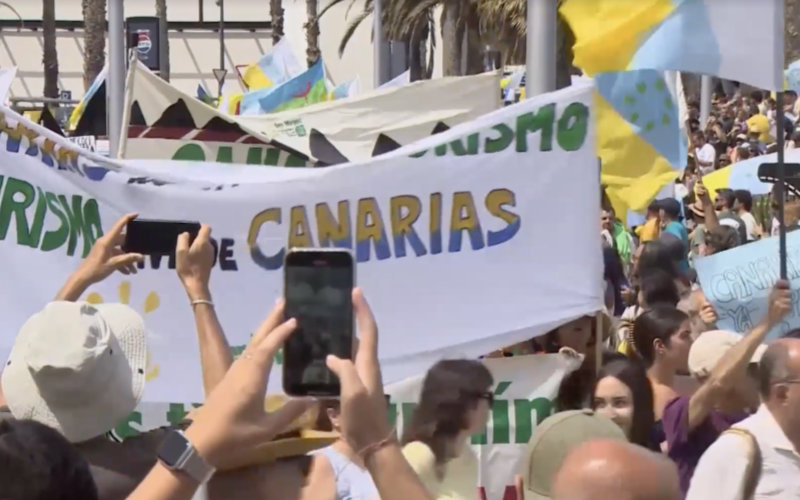
In the Canary Islands, protesters have set fire to and vandalized about twenty rental cars, in reaction to mass tourism in the archipelago. Incidents that could encourage tourists to turn to other countries like Morocco.
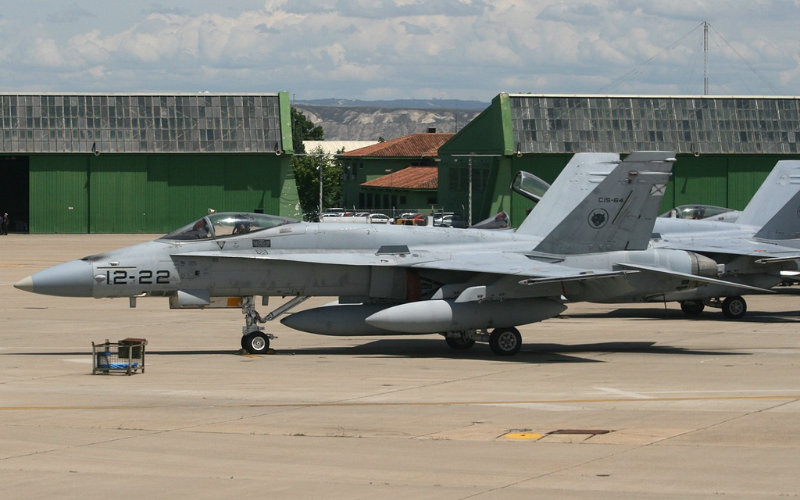
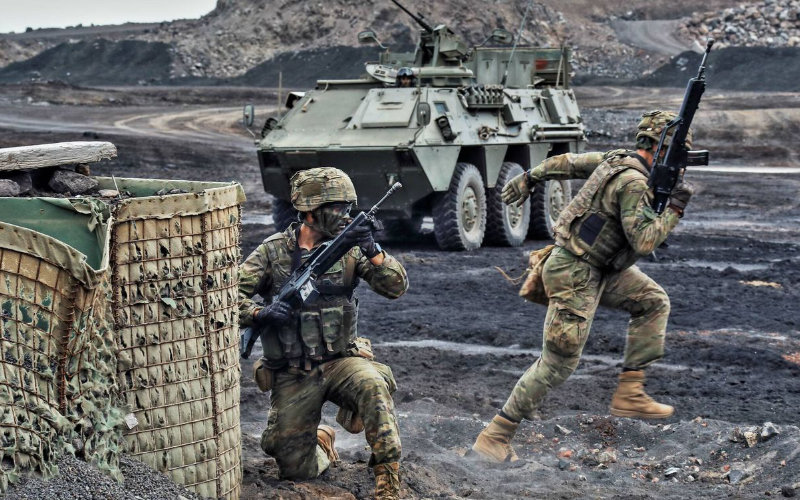
The Spanish Air Force carried out the largest military exercise called "Exercise Sirius" in the Canary Islands in 2024. The objective is to prepare to react to any possible attempt to control the resources of the Tropic mountain, claimed by Morocco.
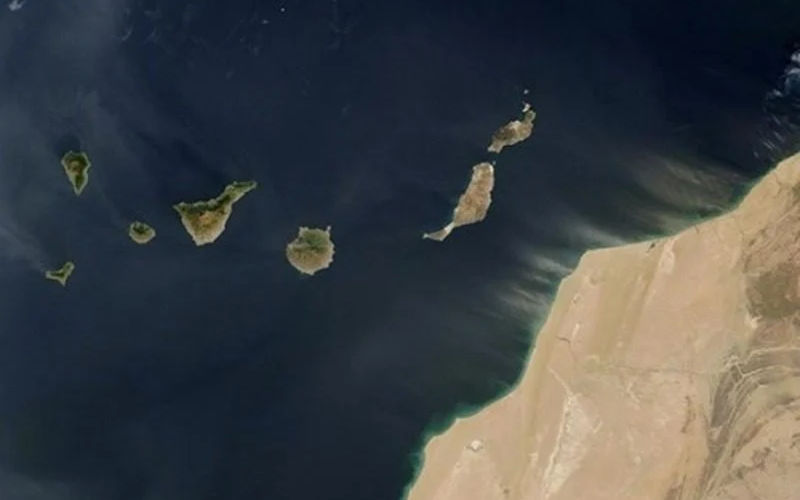
José Miguel Barragán, spokesperson for the group of deputies in the local Parliament of the Canarian Coalition (CC) formation, which chairs the regional autonomous government, sees the agreement between Morocco and an Israeli company for oil and gas exploration in the Moroccan Sahara in a negative light.

The Barbary ground squirrel (Atlantoxerus getulus), a rodent native to Morocco, poses a threat to "the rich biodiversity of the fragile ecosystem of the Canary Islands," according to Spanish researchers.

An adult black devil or abyssal angler has recently been sighted in broad daylight, off the coast of Morocco, more precisely two kilometers from the coast of Tenerife. An extremely rare occurrence.
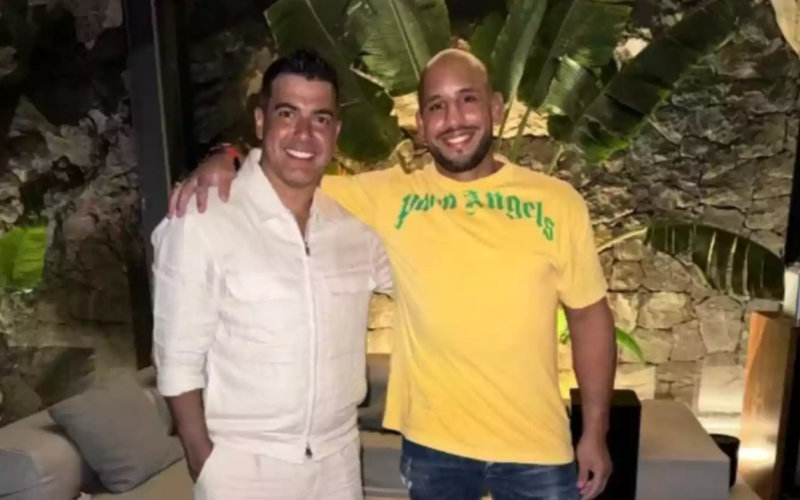
For several weeks, wild rumors have been circulating about a possible interest of the Moroccan Abu Azaitar, reputed to be close to King Mohammed VI, in the acquisition of Club Deportivo Tenerife, the football club of the Canary Islands.