CAF Recovers €25,488 in Benefits After French Woman Claimed Her Child’s Father Lived in Morocco
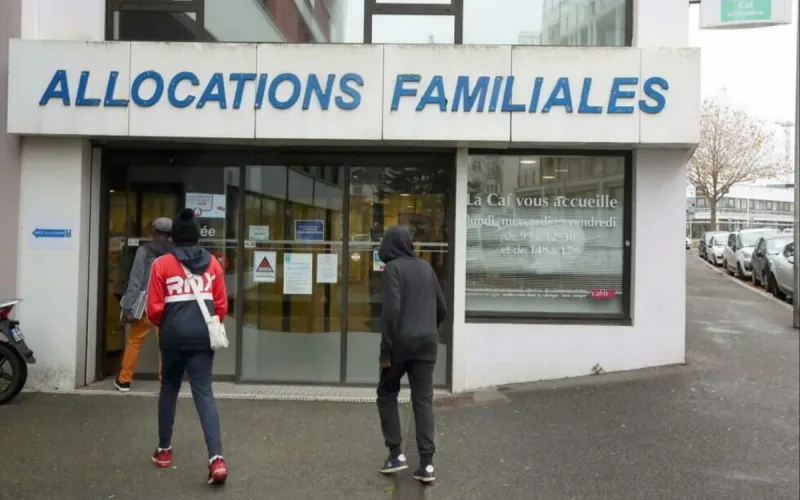
RSA, housing benefit and the in-work benefit: a resident of Seine-Maritime challenged the recovery of several years’ worth of social benefits. Her case rested in particular on the claim that her child’s father lived in Morocco. Rouen’s administrative court ruled on June 8.
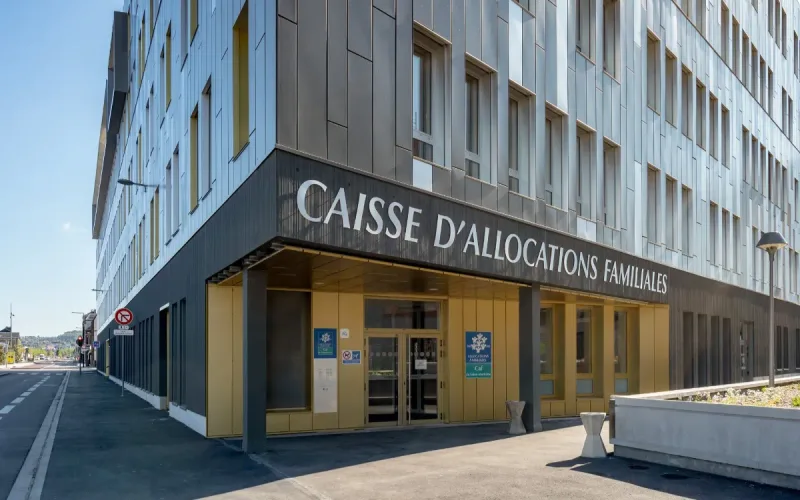
A cheque rejected by a Moroccan bank, a receipt made out to a third party and trips to Morocco. To challenge the sums claimed by the CAF, a mother said her son’s father worked and lived mainly in the Kingdom. But investigators had documents that told a different story.
On Bladi.net : Her Trips to Morocco Betray Her: €23,323 in RSA Benefits to Repay
The ruling, available on Pappers Justice, sets out the bill: 12 725,53 euros in RSA, 7 490,27 euros in housing benefits, 4 894,41 euros in the in-work benefit and 378,67 euros in exceptional assistance. In total, 25 488,88 euros was claimed from the benefit recipient.
The CAF’s investigation found that the child’s father had been using the woman’s address with the health insurance system and several banks since February 2018. He was also registered at her address with France Travail. The recipient herself had declared that she had been putting him up rent-free since February 2021.
She said she had simply lent him her address so he could receive his mail, particularly during periods when he was in prison. The man’s brother also said he had housed him for several years. But the man had used the mother’s address when applying for RSA in February 2021.
Trips to Morocco fail to convince the judge
The man’s trips were then examined. Between 2019 and 2023, the investigator had recorded only twelve days in Morocco in 2021 and eight days in 2022. A passport presented as his also listed a 70-day stay in the Kingdom in 2024. In the court’s view, this evidence did not show that Morocco was his principal residence.
Bank transactions weighed more heavily in the case. Between November 2020 and January 2024, the recipient had received 23 847,09 euros in cash and cheques without declaring them. She argued that some of the money came from her child’s father’s employment income, and that he had been banned from holding a bank account. The documents she provided did not convince the judges.
The court ultimately found that the two parents shared a home and their resources. The CAF therefore had to take their status as a single household into account when calculating RSA, housing benefits and the in-work benefit.
In its ruling of June 8, 2026, Rouen’s administrative court dismissed all four of the recipient’s appeals. The judges also found that false declarations had been made, allowing the usual two-year limitation period to be set aside. The debt upheld therefore includes benefits dating back to October 2019.