Brussels Airport faces five-hour queues as EU demands fixes before Christmas
Passengers are waiting up to five hours to clear border checks at Brussels Airport. Amid problems with the EU’s new border control system, Commissioner Magnus Brunner is calling on Belgian authorities to resolve them before the Christmas holidays.
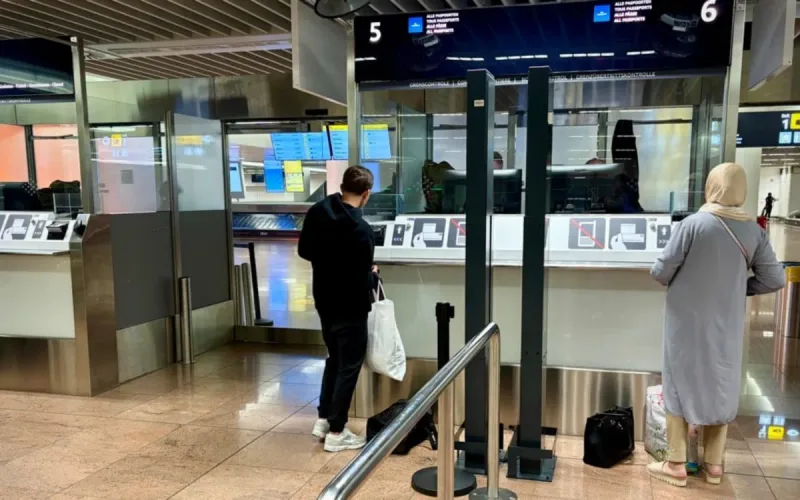
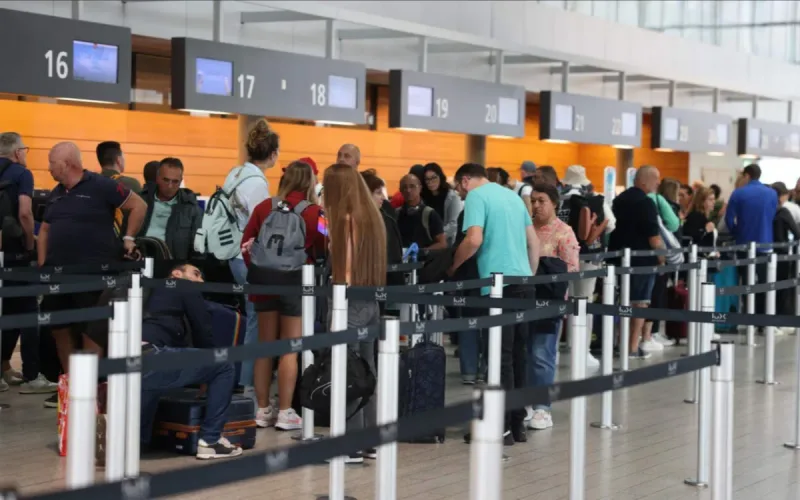
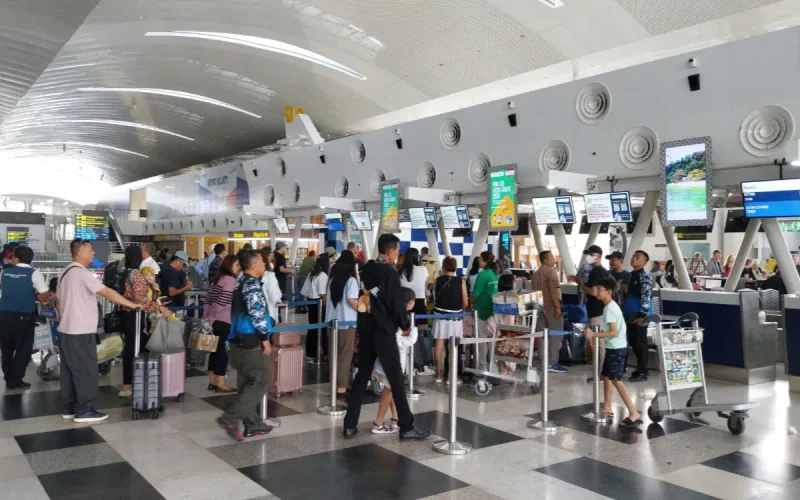
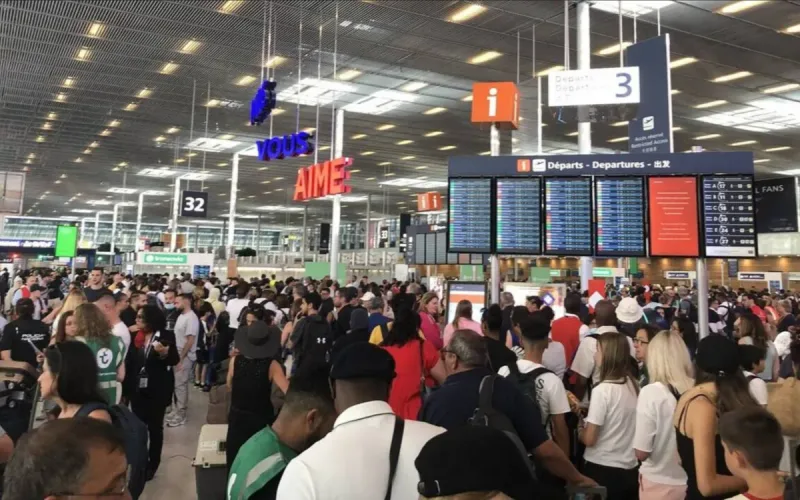
Passengers are waiting five hours to get through passport control at Brussels Airport. After fresh reports of endless queues in late September, the European Commission is taking a tougher line. In an interview with POLITICO, Home Affairs and Migration Commissioner Magnus Brunner is calling on member states to fix problems with the EES system before the Christmas travel rush. Belgium is directly in the spotlight.
On Bladi.net : Airport Chaos Erupts as EU’s New Border System Sparks Massive Delays
“Member states had enough time to prepare for this system. They accepted it,” the European official said. He says border security cannot be compromised by these delays: “The system has to work.” He believes the difficulties are mainly due to how checks are organised, staff shortages and national infrastructure.
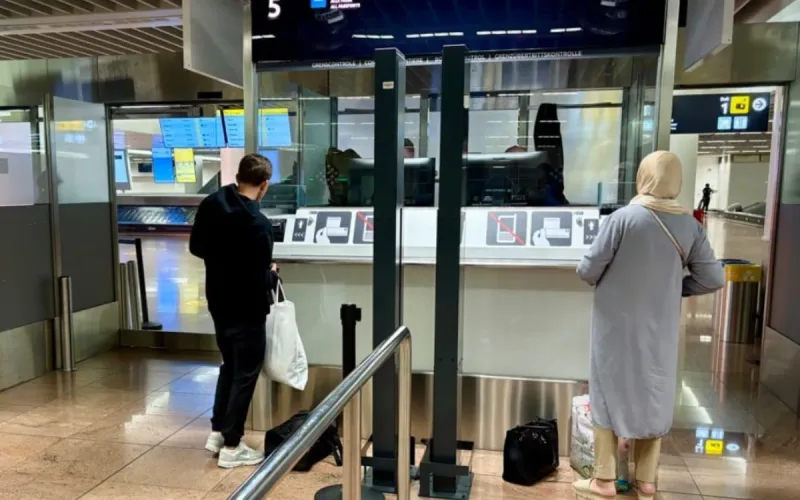
At Zaventem, passengers arriving from countries outside the Schengen area sometimes waited five hours in late September. The causes included IT outages and the requirement for some passengers to use counters staffed by police officers because they could not use the automated gates. The problems had already caused major disruptions for non-European travellers.
Belgium and airport trade blame
The office of Belgian Interior Minister Bernard Quintin disputes the European criticism. It says all twelve arrival checkpoints are staffed by the federal police. The real problem, it argues, is the capacity of the facilities: only 500 to 600 passengers from outside Schengen can be checked each hour.
On busy days, however, nearly 3 500 passengers can disembark between 6 a.m. and 10 a.m. The ministry says Brussels Airport must therefore adapt its facilities to handle the crowds.
The airport management says it is working on several solutions: new automated gates, pre-registration kiosks and training for additional police officers. Physical changes to the facilities are also under consideration.
The European EES system, fully rolled out since April 2026, records the fingerprints and facial images of non-European travellers making short stays in the Schengen area. Moroccans travelling to Belgium on a short-stay visa are affected, unlike holders of a valid European residence permit.
Magnus Brunner says he is confident the problems will be resolved before Christmas. The Belgian authorities have already sent an action plan to the Commission, while several European countries had called for more flexibility in applying the EES during periods of heavy traffic.