
France, Belgium, Netherlands… New checks on Moroccan travellers delayed again
France, Belgium, the Netherlands and six other European countries still do not fully apply the new biometric checks at their borders. Brussels is giving them more time, while Spain has implemented the system across the board.
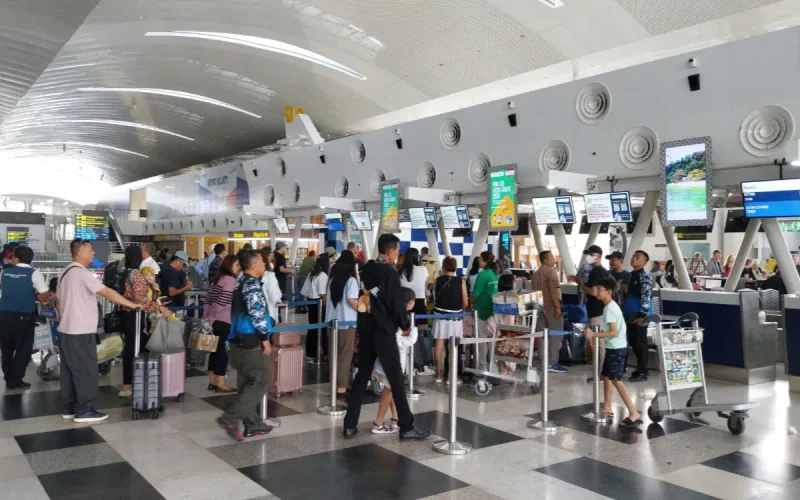
France, Belgium, the Netherlands, Germany, Italy, Portugal, Greece, Malta and Switzerland have requested additional time to fully deploy the European Entry/Exit System (EES). This system notably requires facial photographs and the taking of fingerprints from non-European travellers making short stays.
These delays, revealed on Monday, 14 September by The Guardian, do not necessarily concern all the borders of the nine countries. Some airports, ports and land border posts are already applying the system, while others are not yet carrying out biometric checks systematically.
On Bladi.net : Fingerprints, photos and long queues: what changes Monday for Moroccans traveling to Europe
Spain, for its part, has completed the deployment of the EES despite the difficulties encountered at several airports. Moroccan travellers making short stays must therefore now have their biometric data recorded there both on entry and exit.
Brussels will not sanction the countries falling behind
The possibility of temporarily suspending these checks in the event of queues was due to disappear on 6 September. The nine countries falling behind are therefore technically in breach of European rules, but Brussels has indicated that no proceedings would be brought against them.
The situation ultimately gives more time to the states that feared long queues at their main airports. In July, these same countries had already requested that emergency measures be maintained in response to the difficulties caused by the EES.
On Bladi.net : article 122445
According to figures cited by the British daily, approximately 200 million crossings have already been recorded by the system. Some 70,000 people have been prevented from entering the Schengen Area, notably because of a missing or expired visa, an overstay beyond the authorised period or falsified documents.
However, not all Moroccans are concerned. The EES targets travellers coming for a stay of no more than 90 days within a 180-day period. Holders of a residence permit or a long-stay visa issued by a country using the system are exempt.
Dual nationals using their European passport also avoid this registration. To avoid being checked like ordinary nationals of a third country, Franco-Moroccans are advised to present their French document at the European border.