Amnesty Says Spanish Soldiers Forced Moroccan Migrants to Kiss Cross in Ceuta
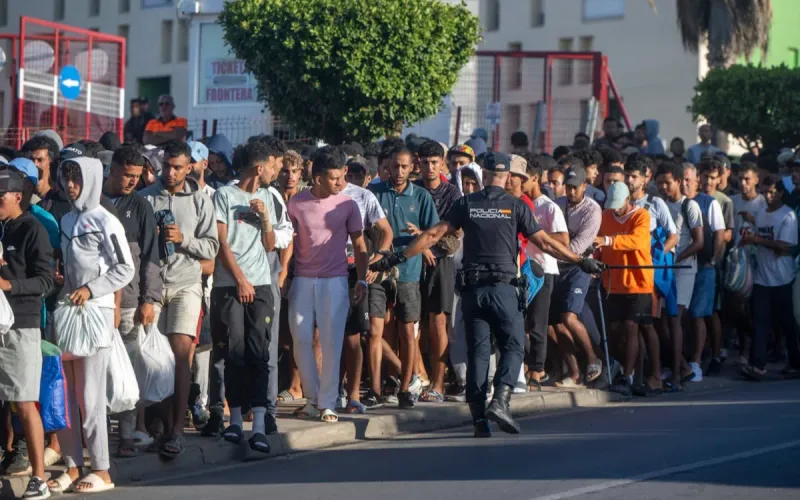
Moroccans forced to kneel and kiss a Christian cross: Amnesty International reports this humiliation among abuses attributed to Spanish soldiers in Ceuta. The Defense Ministry has referred the case to the courts.
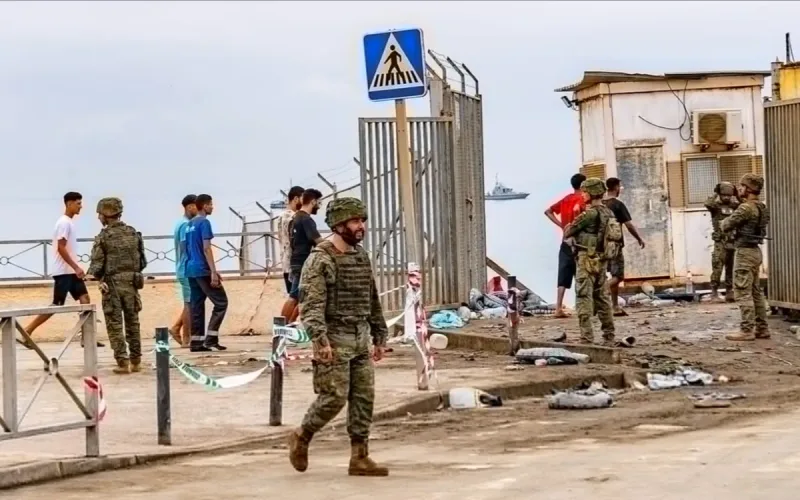
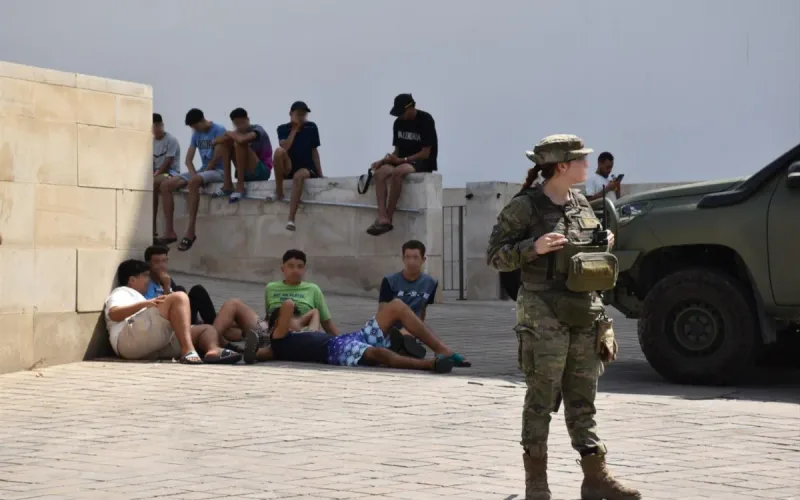
Accounts made public on Wednesday, September 30, also describe young people forced to shave their heads and people denied food when they refuse to obey. According to accounts collected by the NGO, soldiers are trying to push migrants to leave Ceuta, Europa Press reports.
On Bladi.net : Spanish soldiers filmed beating migrants who arrived from Morocco in Sebta
Amnesty carried out its mission from September 10 to 15. Its investigators met with more than 65 migrants and asylum seekers, including people from Morocco and Algeria. They collected 22 firsthand accounts implicating soldiers in beatings, harassment or humiliation.
Several accounts concern Moroccans. Two young men had head injuries. Another said he had been unable to walk for 25 days after a soldier pushed him from a height. The organization says some of the injuries observed appear consistent with baton blows.
Defense Ministry refers case to the courts
Madrid responded that morning. The Defense Ministry said it had referred the allegations to the public prosecutor’s office and the duty court in Ceuta. It also asked the operations command to investigate and establish whether individuals might be responsible, according to El País.
Amnesty acknowledges the difficult work of security forces in a context in which more than thirty migrants have been arrested for attacks on soldiers. It nevertheless stresses that this situation does not justify the alleged ill-treatment.
On Bladi.net : In Sebta, hospital keeps five Moroccan women after giving birth: “Otherwise, they will end up on the streets”
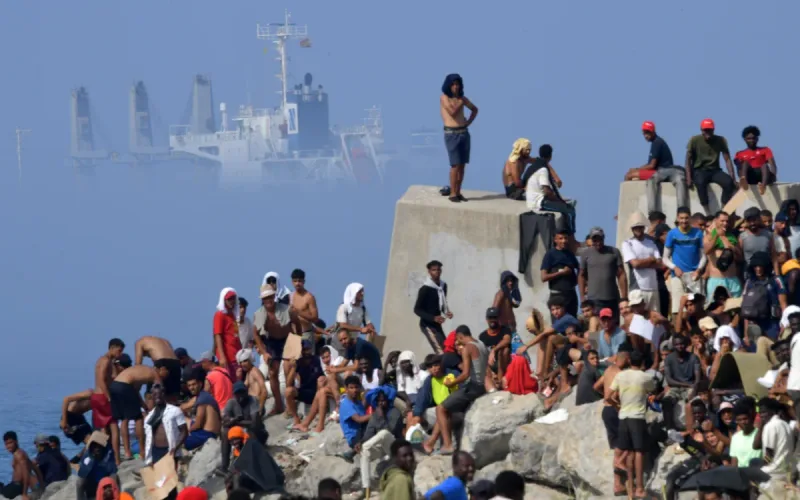
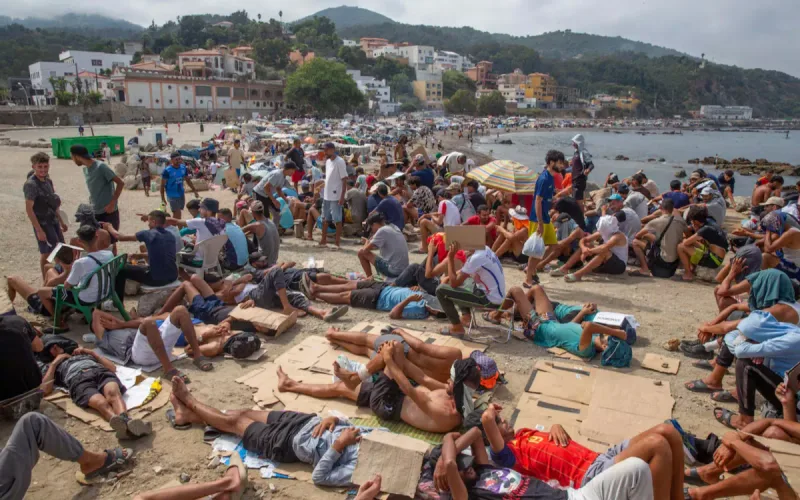
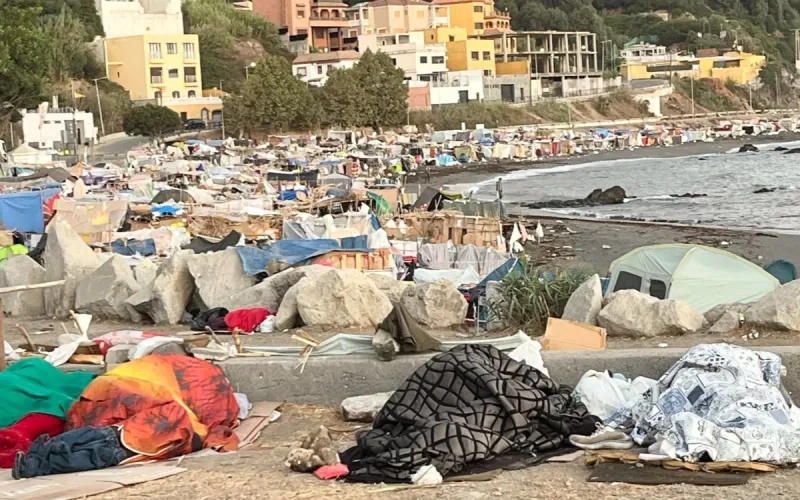
The NGO is calling for an independent investigation and immediate assistance for people who have been left outdoors since the large-scale crossings in July. Among them, minors and women are still sleeping rough, without adequate access to water, hygiene or medical care.