
In Sebta, hospital keeps five Moroccan women after giving birth: “Otherwise, they will end up on the streets”
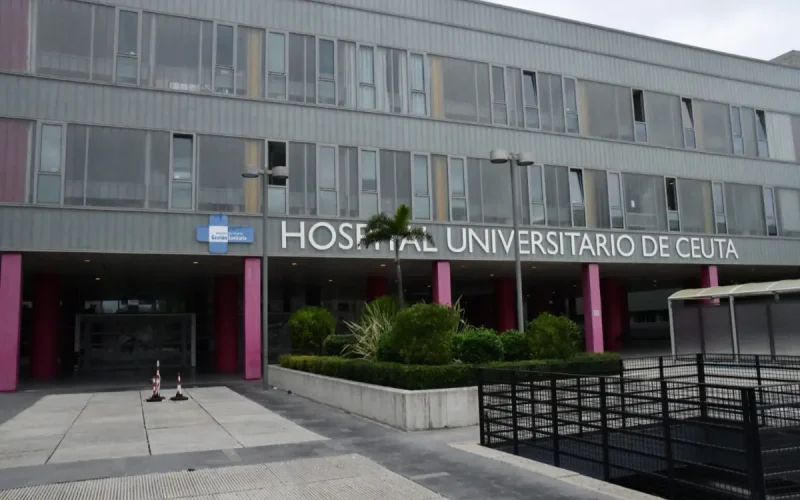
Five Moroccan women remain hospitalized in Sebta after giving birth, although some could already leave the facility. However, lacking suitable accommodation, their discharge would leave them on the streets with their newborns.
The five women gave birth in the days following the mass arrivals of migrants that occurred at the end of July. Some have since received medical clearance to leave, but Sebta University Hospital continues to accommodate them in the absence of an external solution, reports El Pueblo de Ceuta.
One of them, who underwent a cesarean section, has occupied a room for nine days even though her condition would no longer require hospitalization. “We are not discharging them out of humanity. Otherwise, they will end up on the streets,” summarized a healthcare source quoted by the local newspaper.
On Bladi.net : 72,000 crossings into Ceuta: Spain had warned Morocco as early as the day before
Two of these women had previously been living in temporary facilities reserved for female migrants. However, social services determined that the hygiene conditions in these spaces did not allow mothers accompanied by their newborns to be housed there.
More than 70 pregnant women are believed to have arrived in July
The problem could extend beyond these five patients. According to anonymous healthcare sources interviewed by Sebta’s daily newspaper, more than 70 pregnant Moroccan women are believed to have entered the city during the migration crisis in July. Some are thought to have given birth since then, while others are still being monitored before reaching term.
This figure has not been officially confirmed. Nevertheless, it gives an indication of the difficulties faced by health and social services, while Sebta’s reception facilities remain saturated nearly two months after the mass arrival of migrants from Morocco.
The situation is particularly delicate for women who have just given birth. Discharge from the hospital requires having a clean place where the newborn can sleep, be fed and receive initial care. Improvised facilities and camps do not meet these requirements.
On Bladi.net : The CNI had identified 2,000 people near Ceuta; 72,000 ultimately crossed the border
The shortage of places affects the entire reception system. A police operation was launched on Thursday to evacuate migrants settled on the beaches and transfer some of them to a temporary center set up in the port. Around 10 000 people are still believed to be in Sebta, and approximately 4 000 are reportedly still sleeping outdoors, according to associations cited by Reuters.
While waiting for a suitable place, the hospital is therefore serving as a last refuge for the five Moroccan mothers and their babies. Their continued stay is no longer solely a medical necessity: it prevents them from being left homeless as soon as they leave the maternity ward.
Related Articles
-
The day before 72,000 crossings from Morocco, the CNI had issued a warning: the judge wants to know who knew what
19 September 2026
-
The Ceuta crisis causes bookings to plunge by 90 %… but not in Morocco
18 September 2026
-

Spain closes a maritime zone off Morocco to fire live missiles
18 September 2026
-
After the mass arrivals from Morocco, NATO official assures that the Alliance would support Spain
18 September 2026
-
20,000 people in Ceuta and Melilla to make it impossible for Spain to respond militarily
17 September 2026