Amazonian Jews descended from Moroccan migrants still make couscous - sometimes with cassava
In the Brazilian Amazon, descendants of Jewish families who left Tangier and Tétouan in the 19th century are keeping Moroccan cuisine alive with some surprising ingredients. Couscous is sometimes made with cassava, while dafina is enriched with tropical produce. A tradition passed down through generations.
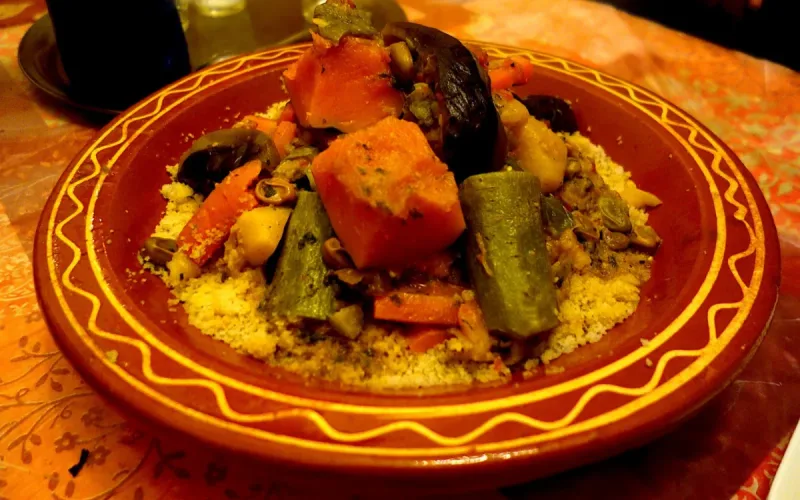
In Belém and Manaus, in northern Brazil, Moroccan couscous is still among the specialties served at Sunday brunch. But some recipes have taken an unexpected turn: semolina has sometimes given way to cassava flour, while other families serve their couscous with farofa, a Brazilian preparation made from toasted cassava.
This remarkable survival is described by the Israeli daily Haaretz in a report on the Judeo-Moroccan cuisine of the Amazon, recently translated by Courrier international. Its origins date back to the 19th century, when Moroccan Jews, mainly from Tangier and Tétouan, crossed the Atlantic, drawn by the rubber trade.
Settled in the heart of the Amazon rainforest, these migrants were gradually joined by their families. They found themselves in an environment where the usual ingredients of their cuisine were hard to come by. To preserve their recipes and observe Jewish dietary laws, they learned to use local produce.
Moroccan dafina takes on the flavors of the Amazon
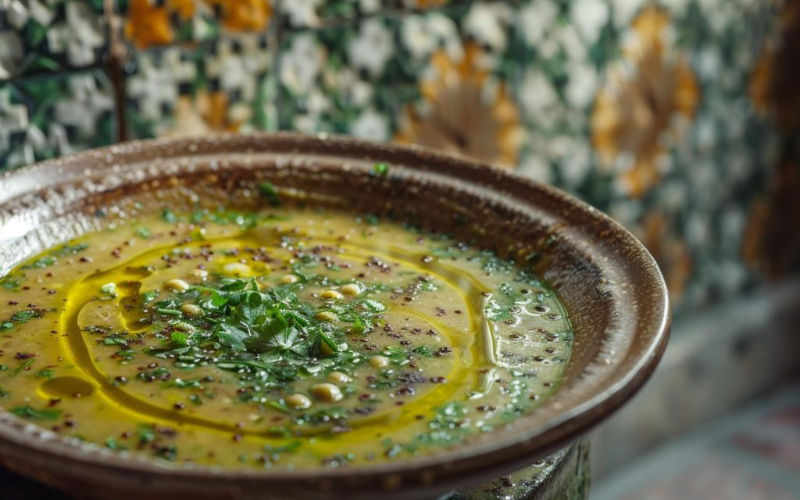
Dafina, the traditional stew prepared for Shabbat, has also undergone several changes. In some families, rice has replaced chickpeas. Tamarind, date syrup and local potatoes bring new flavors.
The adaptations go both ways. Tacacá, an Amazonian soup made with fermented cassava, is traditionally prepared with shrimp. Jewish families replace it with fish that complies with kosher rules. Açaí, eaten in the region as a savory accompaniment, is also served alongside spiced fish and couscous.
Chef Esther Serruya Weyl, a descendant of this community, collected recipes passed down in families in Belém. In a account published by the Jewish Food Society, she explains, among other things, how urucum, a local seed, replaced Moroccan paprika, while limes took the place of preserved yellow lemons.
In 2017, Esther Weyl traveled to Morocco with her mother. There, she rediscovered flavors that reminded her of her childhood in Brazil. The trip prompted her to interview nearly forty cooks from her community and collect their family recipes, including those for dafina and the fish escabèche inherited from Tangier.